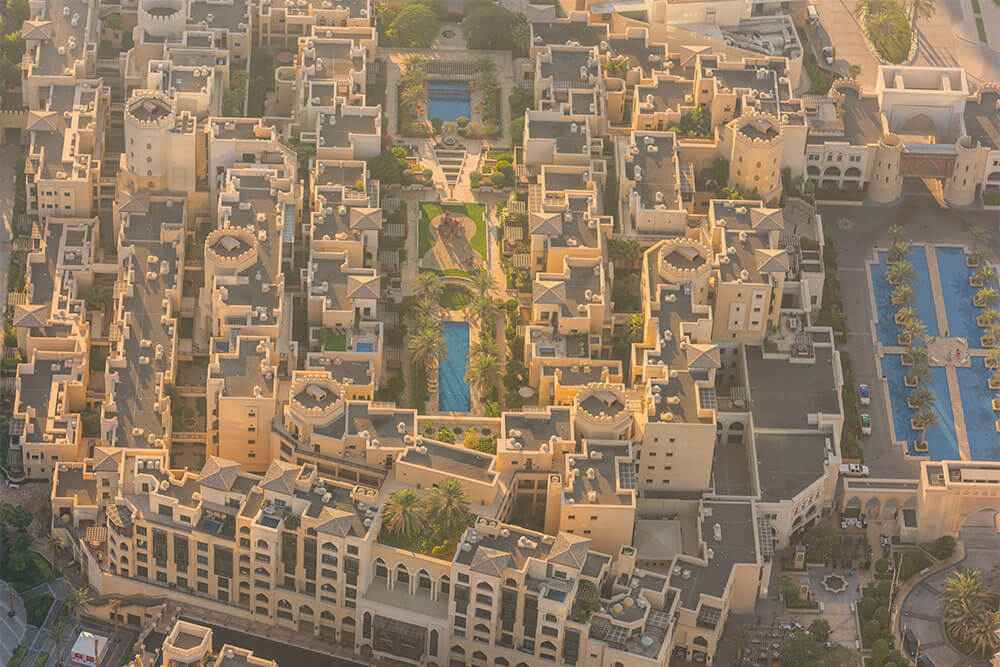
Muhaisnah Dubai Guide 2026 – Communities, Living, Facilities & Transport
Muhaisnah’s growth story is closely tied to Dubai’s urban expansion eastward and the rising demand for more affordable yet well-connected residential districts. While the neighbourhood once served primarily as a labour accommodation cluster—especially in Muhaisnah 2, Muhaisnah 3 and Muhaisnah 4—the broader district today features a balanced mix of mid-rise apartment buildings, staff communities, family-focused villas, and new residential enclaves shaped by post-Expo 2020 population shifts.
Real estate activity in Muhaisnah has increased steadily over the past decade, largely due to its proximity to Sheikh Mohammed Bin Zayed Road (E311), Al Qusais Industrial Area, and Dubai International Airport. The community has become a preferred choice for value-conscious residents who want access to central Dubai without the premium prices of Deira or Mirdif.
Rental Market Overview
The rental market in Muhaisnah remains one of Dubai’s most affordable, attracting both single professionals and growing families. Prices fluctuate slightly based on proximity to schools, supermarkets, and public transport.
Typical Rental Ranges:
- Studio Apartments: AED 25,000 – 35,000 per year
- 1-bedroom Units: AED 35,000 – 48,000 per year
- 2-bedroom Units: AED 48,000 – 65,000 per year
- Villas: Starting from AED 250,000 per year in gated villa communities
These figures make Muhaisnah particularly attractive for those priced out of areas such as Al Warqa, Al Rashidiya, and Garhoud.
Sales Market Overview
Sales transactions in Muhaisnah are less common compared to more established freehold communities. However, select freehold pockets and villa clusters offer competitive purchase prices.
Typical Sales Ranges:
- Apartments: Starting from AED 600,000 for 1-bedroom units
- Villas: AED 1.7M – AED 1.9M depending on build quality and location
For first-time buyers looking for an affordable entry point into Dubai’s property market, Muhaisnah presents a realistic and financially manageable option.
Muhaisnah’s Social and Cultural Identity: A Community Rooted in Diversity
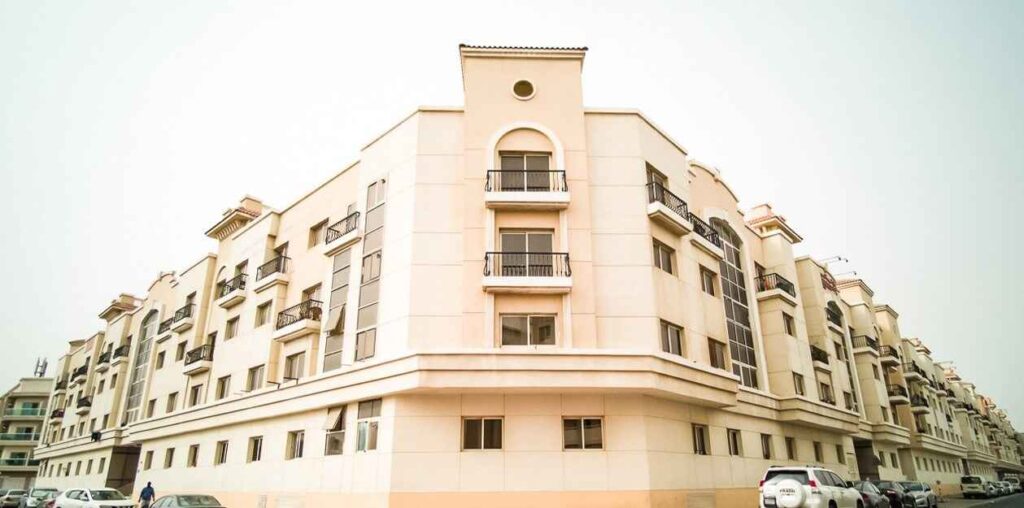
What makes Muhaisnah distinct is its cultural diversity. The district is known as one of Dubai’s most ethnically varied residential areas, with long-standing communities from South Asia, the Philippines, the Middle East, and East Africa. Its sub-communities—especially Muhaisnah 2 and Muhaisnah 3—have been shaped by decades of migration, industrial expansion, and Dubai’s megaproject-driven labour demand.
The social fabric here is defined by:
- Affordable living, appealing to families and professionals
- Proximity to industrial hubs, making it a preferred address for workers and mid-level staff
- A strong sense of community, with many long-term residents forming multi-generational ties to the area
Local shops, cafeterias, community events, and neighbourhood parks consistently reinforce Muhaisnah’s identity as a welcoming and accessible place to live.
Transportation, Mobility and Connectivity: How Residents Commute
One of Muhaisnah’s major strengths is its connectivity. Strategically located along E311 and D56, the district offers quick access to Deira, Sharjah, and the industrial heartlands of Al Qusais.
Bus Routes Serving Muhaisnah
Residents rely heavily on Dubai’s extensive bus network. Frequent routes include:
- Bus 31 – Connects Muhaisnah 1 with key parts of Deira
- Bus 13, 17, 32C, X13, X28 – Connect Muhaisnah 4 with central Dubai and major transit nodes
- Bus 63E – Popular for staff commuting toward Al Qusais and Al Nahda
- F05 Feeder Bus – Links residents to nearby metro stations
For Muhaisnah 3 residents, Bus number 17 and 32C are among the most frequently used options.
Metro Accessibility
Although Muhaisnah does not yet have its own dedicated metro station, two stations lie conveniently close:
- Etisalat Metro Station (Green Line) – 11 minutes
- Al Qusais Metro Station – 14–16 minutes
Both stations provide park-and-ride facilities and direct metro connectivity to Bur Dubai, Deira, Business Bay, and Jumeirah.
Quality of Life in Muhaisnah: What Daily Living Really Feels Like
Living in Muhaisnah often surprises new residents. On the surface, the area appears industrial and densely populated. But beneath that is a multi-layered lifestyle ecosystem that offers convenience, comfort, and green pockets rarely seen in similarly priced neighbourhoods.
Green Spaces and Parks
Despite its urban density, Muhaisnah is one of the few budget-friendly districts in Dubai that maintains large, functional parks:
- Muhaisnah Park (M1) – Jogging track, lake, picnic zones
- Pond Park – Family-friendly outdoor space
- Mohammed Sulaiman Park – Popular among children and evening walkers
These parks host weekend gatherings, family picnics, and informal community meet-ups.
Dining Culture
Muhaisnah’s dining identity mirrors its diversity. The area is known for pocket-friendly, authentic cuisines from South Asia, the Philippines, and East Africa.
High-traffic dining zones include:
- Muhaisnah 2 – Popular staff cafeterias, South Asian eateries, and affordable meal spots
- Muhaisnah 4 – Trendier eateries inside Madina Mall and Lulu Village
- Muhaisnah 1 – Cafés and mid-range restaurants near Etihad Mall
This fusion of affordable and mid-range dining makes it one of Dubai’s best districts for budget-conscious food lovers.
A Closer Look at Muhaisnah’s Development Trajectory
The transformation of Muhaisnah is ongoing. The Expo 2020 infrastructure boom upgraded roads, increased residential stock, and expanded utilities. The Dubai 2040 Urban Master Plan has also identified eastern Dubai—including Muhaisnah—as a priority zone for community facilities and public amenities.
Anticipated future improvements include:
- Better integration with the Dubai Metro Green Line
- More community parks and shaded walkways
- Increased residential density in freehold segments
- Improved traffic flow on Beirut Street and D56
With these enhancements, Muhaisnah is expected to continue evolving into a more balanced live-work community.
FAQs
Is Muhaisnah a good place to live?
Yes. If affordability, connectivity, and essential amenities matter most, Muhaisnah is a strong choice. It is ideal for mid-income families, working professionals, and staff employed in nearby industrial zones.
What is Muhaisnah known for in Dubai?
Muhaisnah is widely known for its diverse residential community, proximity to the Dubai–Sharjah border, major labour accommodation clusters, and large shopping centres such as Etihad Mall and Madina Mall.
Is Muhaisnah a residential area in Dubai?
Yes. While it includes labour accommodations in some sub-communities, Muhaisnah is fundamentally a mixed-use residential district with thousands of family apartments and villas.
What bus serves Muhaisnah 3?
Residents of Muhaisnah 3 frequently use bus routes 17, 32C, and X28, depending on their destination.
Is living in Muhaisnah affordable?
It is considered one of Dubai’s most budget-friendly residential districts, especially for apartments.
Is Muhaisnah family-friendly?
Yes. With schools, supermarkets, parks, and healthcare facilities distributed across all four zones, families find the area practical and comfortable.
Which is the richest area in Dubai?
Neighbourhoods such as Emirates Hills, Palm Jumeirah, and Jumeirah Bay Island are considered Dubai’s wealthiest. Muhaisnah is positioned at the opposite end of the affordability spectrum.
Can couples show affection publicly in Dubai (e.g., kissing)?
Public displays of affection beyond hand-holding are discouraged by UAE cultural norms and may violate public decency laws.

- Umm Suqeim Dubai Area Guide 2026: Beaches, Villas, Schools and Local Life - August 6, 2026
- Emirates Golf Club Area Guide 2026: Courses, Fees, Location and What to Expect - July 14, 2026
- Al Maktoum International Airport: Your Ultimate Real Estate Investment Guide in Dubai South (2026-2032) - June 22, 2026