Top Safest Places in Dubai For the Current Missile-Attack Situation Guide, UAE
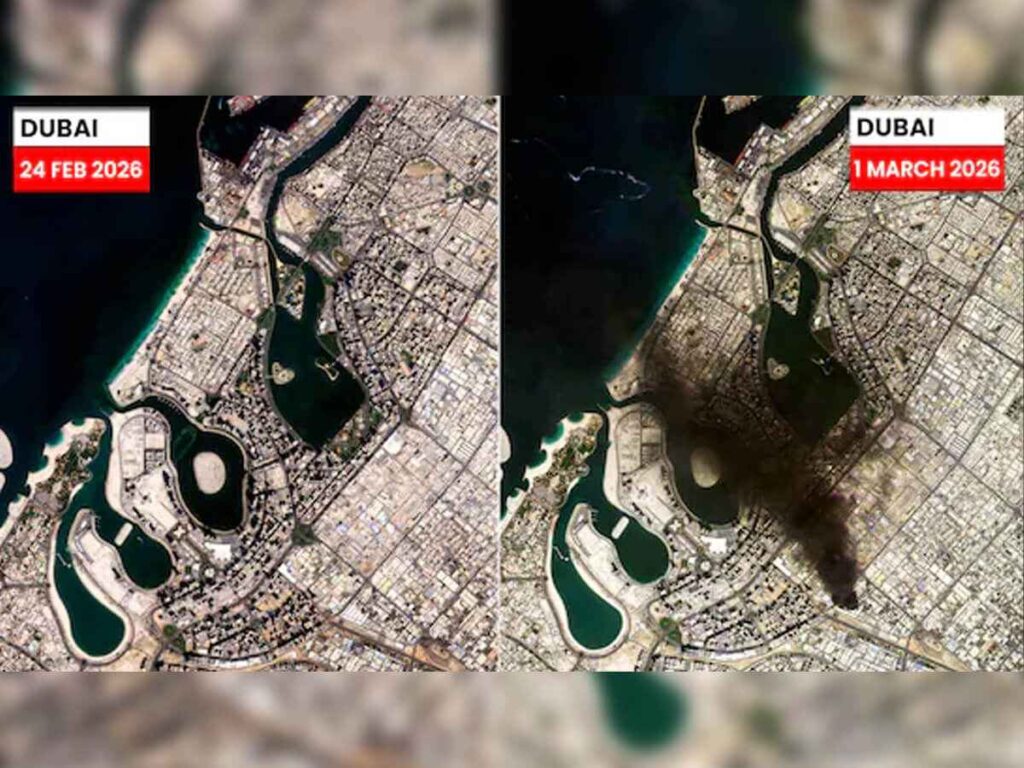
When people search for the safest places in Dubai during a missile-attack situation, they are not looking for tourist advice or residential comparisons. They want immediate clarity. They want to know where to go right now, what to avoid, and how to protect themselves and their families from potential falling debris or blast effects. In the current regional climate, the primary risk is not direct targeting of civilians but debris from intercepted missiles and drones. That distinction matters because it fundamentally changes what “safe” means.
In moments like this, safety is not about choosing the safest neighborhood in Dubai. It is about choosing the safest type of physical environment within reach. The correct response is shelter-in-place inside a structurally secure building, away from glass and exterior exposure. This guide provides a complete, practical, and authoritative explanation of the safest places in Dubai under current missile-related alerts, combining official emergency principles, structural safety logic, and real-world implementation steps. The goal is to give you the most comprehensive and useful guidance available online.
Understanding the Real Risk in Dubai Right Now
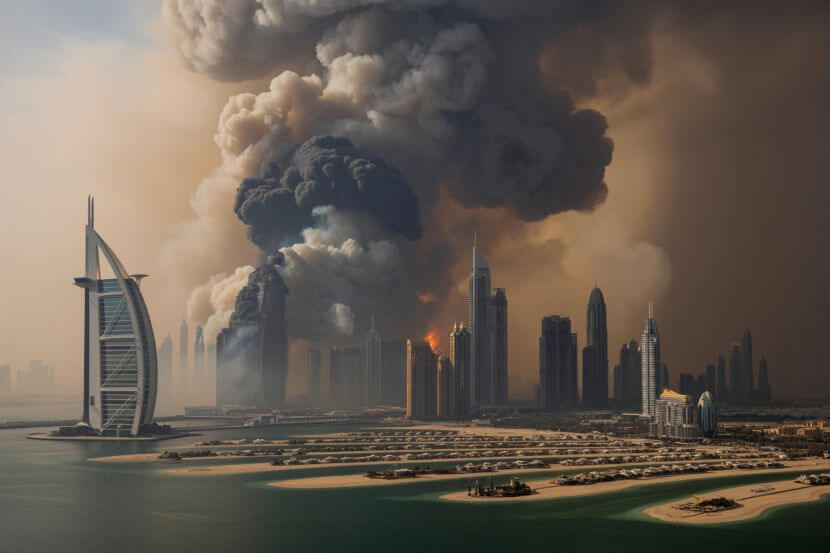
Before identifying the safest places in Dubai, it is essential to understand the nature of the threat. The main concern in the UAE during regional missile activity is falling debris from intercepted projectiles or drones. When air defense systems intercept incoming threats, fragments can descend over wide areas. These fragments may cause injury if someone is exposed outdoors or near glass surfaces.
This means the safest location is not a specific district like Downtown, Marina, or Jumeirah. Instead, safety depends on structural shielding. Reinforced concrete construction, interior core areas, and underground spaces significantly reduce exposure to blast pressure and falling debris. Open-air exposure dramatically increases risk. Therefore, safety is about physical protection, not geography.
Authorities in the UAE consistently emphasize three core principles during alerts: seek immediate shelter, stay away from windows and doors, and wait for official instructions. The logic is straightforward. Solid construction absorbs shock, internal spaces reduce flying-glass hazards, and minimizing movement lowers exposure.
What Makes a Place “Safe” During a Missile Alert?
To determine the safest places in Dubai, we must evaluate structural safety factors. Modern buildings in Dubai are primarily constructed using reinforced concrete and steel frameworks. These materials provide substantial protection against secondary effects like debris impact and blast wave pressure.
The safest environments share several characteristics. They are enclosed, structurally reinforced, and located away from external openings. They are not exposed to falling objects. They limit glass proximity. They are not crowded in panic conditions. They allow you to remain stationary until authorities issue an all-clear.
Lower and middle floors of buildings tend to offer better protection from debris compared to rooftops or uppermost levels. Interior rooms such as bathrooms, hallways, and stair cores provide additional structural buffering because they are surrounded by multiple walls.
Underground areas, if structurally sound and not near glass entrances, provide even stronger protection due to earth and concrete shielding overhead. However, they must be stable and not at risk of flooding or overcrowding.
Safest Places in Dubai Right Now (Structural Categories)
Interior Rooms in Residential Buildings
For most residents, the safest place in Dubai during a missile alert is inside their current residential building. Specifically, choose an interior room with no windows on a lower or middle floor. Bathrooms, internal corridors, and storage rooms often meet this requirement because they are surrounded by reinforced walls.
If you are in a high-rise apartment, avoid balconies and do not remain in rooms with large glass panels. Sit or lie low against an interior wall. Protect your head and neck using your arms or a cushion. Close internal doors to reduce glass shatter propagation. The building’s structural core is designed to withstand significant loads, and remaining inside dramatically reduces exposure compared to moving outdoors.
Leaving your building to “reach a safer area” while alerts are active increases risk. Movement outdoors exposes you to potential debris and traffic confusion. The correct action is immediate shelter-in-place.
Underground or Semi-Underground Spaces
Basements and underground parking structures can provide additional protection because they are shielded by concrete slabs and ground mass. These spaces reduce exposure to falling debris. However, you should remain away from entrance ramps and glass exit doors.
If you are in a commercial complex with underground concourses, stay inside and follow staff guidance. Avoid gathering near entry points. Position yourself deeper within the interior area.
Underground protection is highly effective when structurally sound and properly ventilated. If you are uncertain about structural safety, interior ground-level rooms remain a strong alternative.
Large Commercial Buildings and Designated Safe Areas
Major malls, hotels, and office towers in Dubai typically operate under emergency management procedures. These properties maintain internal communication systems and may designate protected refuge areas during alerts.
If you are inside such a facility when an alert occurs, follow staff instructions immediately. Do not self-direct toward exits unless instructed. Large modern buildings are engineered to strict structural standards and often include reinforced cores designed to withstand high loads.
However, standing in atriums under glass ceilings or near storefront windows is not advisable. Move toward enclosed service corridors, back-of-house hallways, or designated internal assembly zones when directed.
Government and Institutional Buildings
Government facilities and large institutional complexes are typically constructed under stringent engineering standards. They may include reinforced safe areas or structured internal zones. If you are already inside such a building, remaining indoors in an interior section is generally safer than relocating elsewhere.
Again, the key principle applies: stay inside, move away from windows, and wait for official instructions.
Places to Avoid During Missile Alerts
Understanding unsafe environments is just as important as identifying safe ones. Open spaces significantly increase exposure risk. Streets, beaches, parks, rooftops, and balconies offer no structural shielding from falling debris. Even small fragments can cause injury if they descend from altitude.
Avoid standing at windows to observe or film interceptions. Glass shattering is a common secondary hazard during blast waves. Debris may fall several minutes after audible explosions, which means stepping outside too soon remains risky.
High-profile open landmarks and coastal promenades may feel distant from risk zones, but debris can travel unpredictably. Do not relocate toward open scenic areas during alerts. Shelter-in-place is always safer than transit during active warnings.
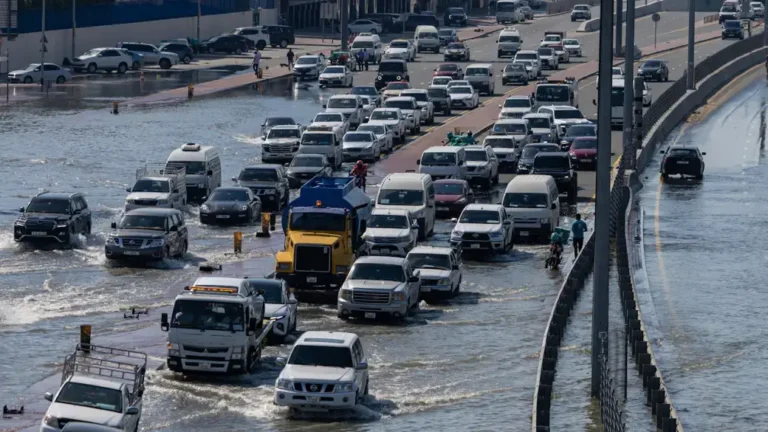
Driving during alerts is also discouraged unless absolutely necessary. Traffic congestion and distracted drivers increase accident risk. Additionally, vehicles provide minimal protection from falling debris compared to reinforced buildings.
Step-by-Step: What To Do Immediately During an Alert
When an alert notification is received, time matters. Do not pause to verify on social media. Move directly to the nearest solid building. If you are already inside, stay there.
Go to an interior room with no windows. Close doors. Sit or lie low against a wall that does not face the exterior. Protect your head and neck. Keep your phone charged and volume enabled for official alerts.
Turn off unnecessary lights at night to reduce visibility near windows. Do not attempt to film from balconies or rooftops. Wait for formal all-clear communication before moving outside.
If you are in a hotel or shopping center, comply with staff instructions. Organized evacuation toward internal refuge areas is safer than individual movement.
Official Guidance and Information Channels
During any missile-related situation, relying on verified information sources is critical. In the UAE, national emergency communications and disaster management updates are centralized and coordinated.
The National Emergency Crisis and Disaster Management Authority provides official updates and instructions during national alerts. Residents should monitor its announcements for verified guidance.
The UAE Ministry of Interior also distributes public safety messages and emergency directives. These messages often include shelter instructions and situational updates.
For Dubai-specific updates, the Dubai Government official communication channels provide accurate and localized information.
Emergency numbers in the UAE remain operational during alerts. Police assistance can be reached at 999, ambulance services at 998, and civil defense at 997. Use emergency lines only for urgent situations to avoid congestion.
Avoid rumor-based forwards or unofficial social media claims. Misinformation spreads rapidly during high-stress events and can cause unnecessary panic or unsafe movement.
Preparing a Home Shelter Kit
Even though missile threats are rare and typically mitigated by defense systems, preparedness improves resilience. A basic home shelter kit increases safety and comfort if you must remain indoors for extended periods.
Include bottled water, basic first-aid supplies, flashlights with batteries, a power bank for phones, and essential medications. Keep important identification documents accessible but protected. A battery-powered radio can provide backup communication if mobile networks experience congestion.
Soft protective items such as cushions or blankets can help shield against minor debris or glass fragments in worst-case scenarios. Preparation should be calm and organized, not panic-driven.
Travel and Aviation Considerations
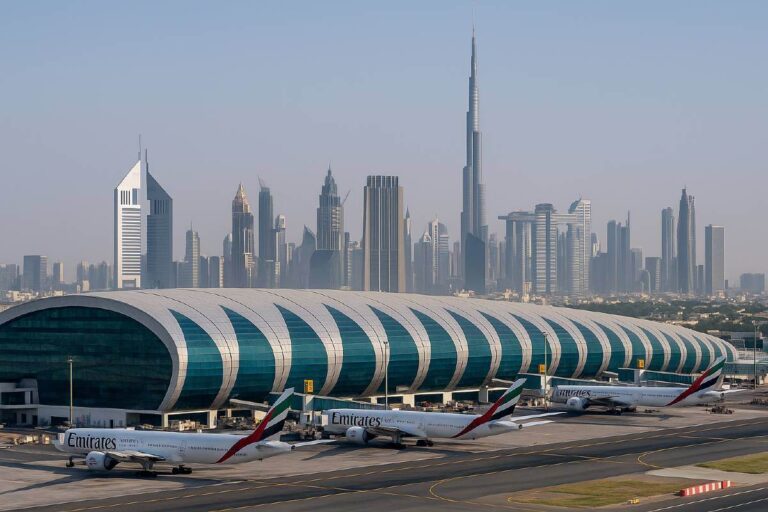
During heightened regional alerts, aviation operations may temporarily pause or reroute flights for safety assessment. Airports implement precautionary airspace management protocols.
If you are traveling, remain inside the airport terminal and follow official announcements. Do not leave secure areas unless instructed. Monitor airline communication for updated departure times.
Operational status updates are communicated through official airport channels and civil aviation authorities. Always rely on confirmed announcements rather than unverified online claims.
Common Problems and Practical Solutions
One common problem is panic-driven relocation. People assume another district is safer and attempt to drive across the city. This increases exposure and road risk. The solution is immediate shelter-in-place inside the nearest reinforced structure.
Another issue is curiosity. Standing near windows to observe interceptions significantly increases injury risk from glass shatter or delayed debris fall. The correct response is distancing from exterior surfaces until all-clear confirmation.
Misinformation is another challenge. The solution is disciplined reliance on official government channels only.
Families with children often worry about psychological stress. Calm explanation, controlled tone, and structured sheltering routines reduce anxiety. Children respond to adult behavior, so visible calmness matters.
Expert Tips and Best Practices
Advanced safety logic focuses on structural buffering. The more layers of reinforced material between you and the exterior, the safer you are. Position yourself within interior load-bearing zones rather than partition walls when possible.
Maintain device readiness but conserve battery. Avoid unnecessary calls during active alerts to reduce network strain. Text messaging consumes less bandwidth than voice calls.
Keep footwear nearby in case movement becomes necessary after an all-clear. Small debris on floors can cause injury.
If you reside in a high-rise above the twentieth floor, interior core placement becomes even more important. Elevators should not be used during active alerts unless explicitly directed.
Preparedness should be rational and proportionate. Dubai’s infrastructure and emergency coordination systems are robust. Structured response and compliance with guidance significantly reduce risk.
Key Benefits of Following Proper Shelter Guidance
Adhering to structural shelter principles dramatically lowers exposure to falling debris and blast effects. Remaining indoors prevents secondary injuries caused by traffic accidents or panic movement.
Following official guidance reduces misinformation spread and contributes to public order. Structured compliance supports emergency response efficiency.
Preparedness also improves psychological stability. When individuals understand exactly what to do, uncertainty decreases. That clarity alone improves safety outcomes.
Ultimately, the safest places in Dubai during a missile-related situation are defined by structural protection, not location prestige or neighborhood branding.
FAQs
Is it safer to move to another area of Dubai during an alert?
No. Movement increases exposure. The safest action is immediate shelter inside the nearest reinforced building.
Are high-rise buildings safe?
Yes, if you remain in interior rooms away from windows and exterior walls. The building’s reinforced core provides protection.
Is underground parking safe?
Generally yes, if structurally sound and away from glass entrances. Avoid standing near ramps or entry points.
Should I film interceptions from my balcony?
No. Falling debris and glass shatter pose significant risks even after explosions are heard.
How long should I stay sheltered?
Remain sheltered until official authorities issue an all-clear notification through verified channels.
Conclusion
In the current missile-related situation, the safest places in Dubai are not defined by district reputation but by structural protection. Interior rooms on lower or middle floors, reinforced concrete cores, and underground areas provide the highest level of safety. Open spaces, balconies, rooftops, and glass-exposed zones significantly increase risk.
The most effective response is calm, immediate shelter-in-place, strict avoidance of windows, and disciplined reliance on official UAE emergency communication channels. Dubai’s infrastructure is modern and resilient, and when residents follow structured guidance, risk is minimized.
Preparedness, not panic, defines real safety. By understanding structural shielding principles and acting decisively, you significantly reduce exposure during any alert. This guide has been developed to be the most complete, practical, and user-focused explanation available, combining safety logic, official principles, and real-world application to ensure clarity and protection.

- Top 20 Hospitals in Dubai List Guide, UAE - March 3, 2026
- Top Safest Places in Dubai For the Current Missile-Attack Situation Guide, UAE - March 3, 2026
- Al Qusais Police Station Guide, UAE – Services, Location & Emergency Info - March 3, 2026