Ramadan in Dubai 2026: A Complete, Cultural, and Practical Guide for Residents and Visitors
Ramadan in Dubai is not simply a religious observance; it is a complete transformation of the city’s rhythm, values, and daily life. For one lunar month, Dubai slows down during daylight hours and comes alive after sunset, blending spiritual devotion with community gatherings, cultural traditions, and distinctive social experiences. Whether you are a resident, a first-time visitor, or a business professional living in the UAE, understanding how Ramadan shapes life in Dubai is essential for navigating the city respectfully and confidently in 2026.
This guide is designed to be the most comprehensive, user-focused, and authoritative resource on Ramadan in Dubai 2026. It addresses cultural practices, legal expectations, lifestyle changes, dining experiences, work schedules, and travel considerations—aligned with real user intent and optimized for modern search, AI Overviews, and long-term rankings.
Understanding Ramadan in Dubai
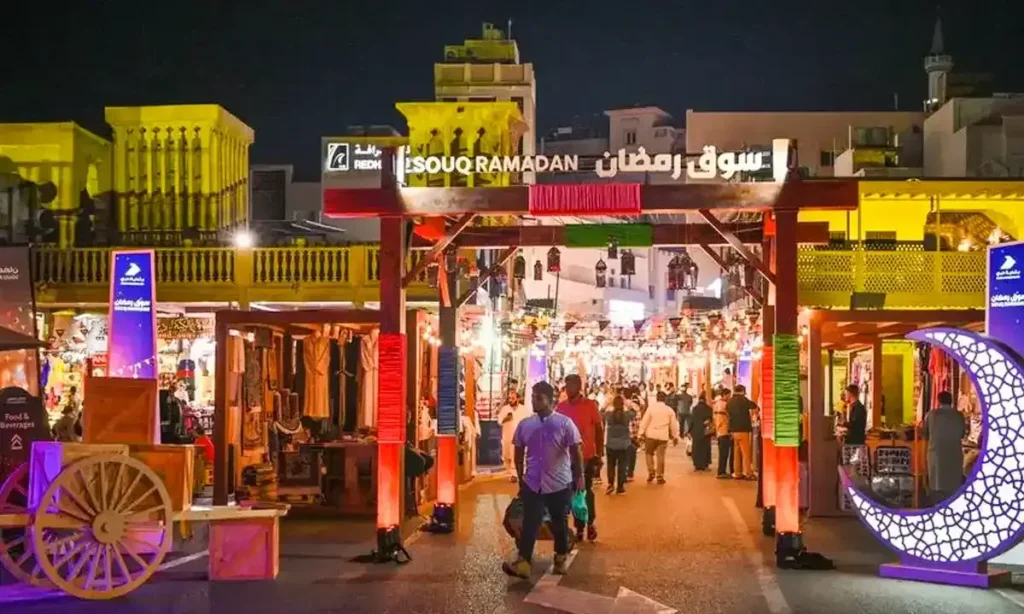
Ramadan is the ninth month of the Islamic lunar calendar and holds deep spiritual significance for Muslims. It commemorates the revelation of the Quran and is observed through fasting from dawn (Fajr) to sunset (Maghrib), increased prayer, charity, self-discipline, and reflection.
In Dubai, Ramadan shapes not only religious life but also public behavior, business operations, hospitality, and social interaction. The city balances reverence for Islamic traditions with inclusivity, allowing non-Muslims to continue daily life while encouraging cultural sensitivity and mutual respect.
Ramadan 2026 Dates and Key Timeline in Dubai
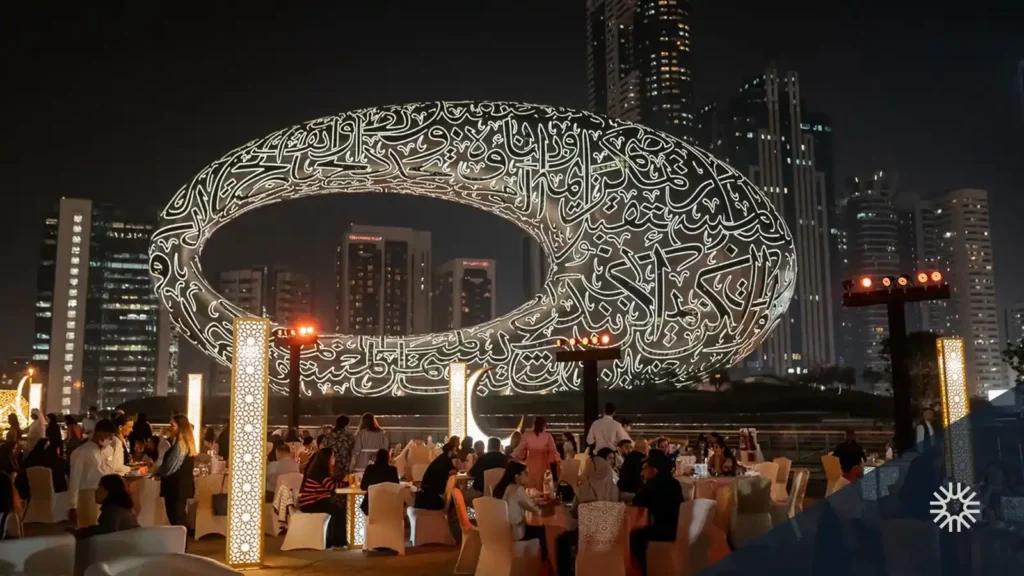
Ramadan in Dubai in 2026 is expected to begin on or around Thursday, 19 February 2026, and conclude around Thursday, 19 March 2026, subject to official moon sighting by the UAE Moon Sighting Committee. Eid Al Fitr is anticipated to start on Friday, 20 March 2026, marking the end of the holy month with a nationwide celebration and public holidays.
One of the most spiritually important nights, Laylat Al Qadr (The Night of Power), is expected to fall on 16–17 March 2026, during the last ten days of Ramadan. This night is considered more virtuous than a thousand months, and mosques across Dubai remain crowded with worshippers throughout the night.
Daily Life During Ramadan in Dubai
Ramadan introduces a unique daily rhythm. Mornings are quieter, afternoons slower, and evenings highly social and energetic. Fasting hours in 2026 are relatively moderate compared to summer Ramadans, ranging from approximately 12 to 14 hours.
Suhoor, the pre-dawn meal, ends around 5:00 AM early in the month and slightly earlier toward the end. Iftar takes place shortly after sunset, between 6:15 PM and 6:35 PM, depending on the date.
Prayer times structure the day, with five daily prayers and special Taraweeh prayers held each night after Isha at mosques throughout the city.
Work Hours and Business Operations During Ramadan
During Ramadan in Dubai, working hours are legally reduced for all employees, regardless of religion. This is mandated under UAE Federal Labour Law and reflects the country’s commitment to employee well-being during the holy month.
Government offices typically operate shorter hours on weekdays and Fridays, while private sector companies reduce daily working hours by two hours. Flexible arrangements, including remote work options, are increasingly common, especially in the public sector. Importantly, these reductions come without any salary deduction.
Business activity shifts noticeably, with peak productivity moving to late afternoon and post-iftar hours. Meetings, shopping, and social engagements are often scheduled after sunset.
Dining in Dubai During Ramadan: Iftar and Suhoor
Food plays a central social role during Ramadan evenings. Iftar, the meal that breaks the fast, is traditionally started with dates and water, followed by soup and a full meal. Dubai’s hospitality sector responds with exceptional offerings, from simple local eateries to luxury hotel buffets and iconic Ramadan tents.
Hotels, restaurants, and cultural venues across the city curate special Ramadan menus featuring Emirati, Levantine, Gulf, and international cuisines. Reservations are strongly recommended, especially for popular venues near Burj Khalifa, Downtown Dubai, Jumeirah, and Dubai Creek.
Suhoor, the pre-dawn meal, is quieter but equally meaningful. Selected restaurants and hotels remain open late into the night, offering lighter meals, Arabic coffee, and relaxed social settings.
Ramadan Markets, Nightlife, and Cultural Experiences
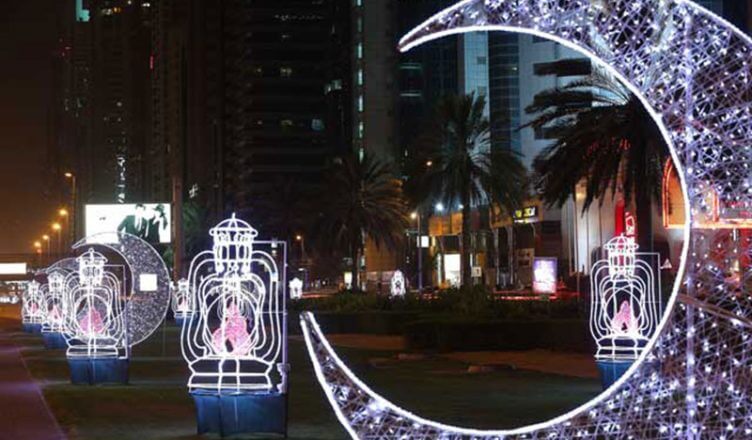
After sunset, Dubai transforms. Ramadan night markets, heritage districts, and pop-up cultural spaces become focal points of community life. Areas such as Al Seef, Expo City Dubai, Deira’s historic districts, and major malls host Ramadan-themed events featuring traditional crafts, lanterns, calligraphy, perfumes, dates, and sweets.
The atmosphere is sensory and immersive—filled with the scent of bakhoor incense, the sound of oud music, and live cultural performances such as Tanoura dancing. These markets are family-friendly and often stay open until late at night, reflecting the nocturnal rhythm of Ramadan.
Religious Observances and Spiritual Life
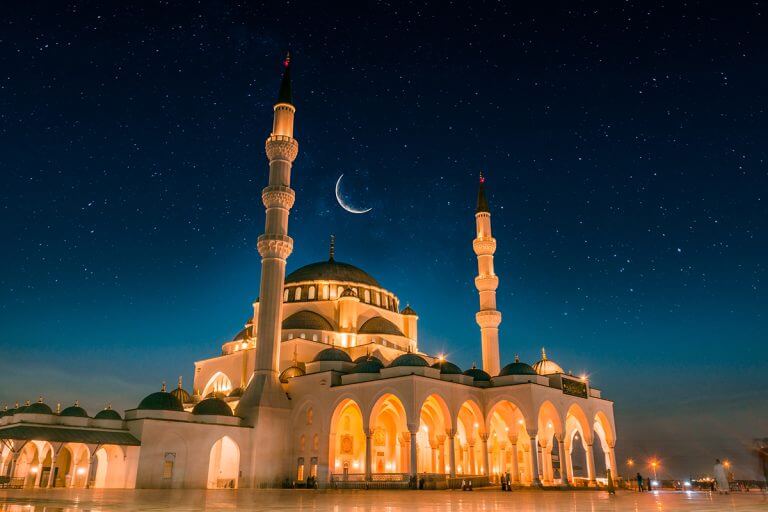
Mosques across Dubai host nightly Taraweeh prayers, drawing large congregations. During the last ten days of Ramadan, worship intensifies, especially around Laylat Al Qadr. Many Muslims participate in extended prayers, Quran recitation, charitable giving, and spiritual retreat (I’tikaf).
Charity is a cornerstone of Ramadan. Initiatives supporting Zakat and Sadaqah are visible throughout the city, including free iftar distributions and organized donation drives. These efforts reinforce Dubai’s strong sense of social responsibility and communal care during the holy month.
Non-Muslims interested in learning more about Islam can attend guided mosque tours, particularly at Jumeirah Mosque, which focuses on cultural understanding and open dialogue.
Public Etiquette, Laws, and Respectful Behavior
Dubai maintains clear regulations during Ramadan to protect the sanctity of fasting hours. Eating, drinking, smoking, or chewing gum in public spaces during daylight hours is prohibited. This applies to streets, malls, offices, and vehicles in public view. Restaurants may operate discreetly during the day, especially in hotels.
Modest dress is expected in public areas, with shoulders and knees covered. Loud music, public displays of affection, and disruptive behavior are discouraged, reflecting the month’s emphasis on humility and respect.
Non-Muslims are welcome to participate in iftar gatherings and community events. Being mindful, asking questions respectfully, and adapting behavior slightly goes a long way in experiencing Ramadan positively in Dubai.
Weather, Travel, and Tourism During Ramadan 2026
Ramadan 2026 falls during a relatively mild period in Dubai, with temperatures ranging from approximately 16°C to 32°C. This makes outdoor evening activities, waterfront iftars, and night markets particularly enjoyable.
For tourists, Ramadan offers a more authentic cultural experience. Attractions remain open, shopping malls extend late-night hours, and hotel services continue as normal. While daytime entertainment is quieter, evenings are rich with tradition, hospitality, and cultural depth that cannot be experienced at other times of the year.
FAQs
Can non-Muslims eat during Ramadan in Dubai?
Yes, but eating and drinking must be done discreetly in private spaces or designated restaurant areas during fasting hours.
Do businesses close during Ramadan?
No. Most businesses remain open with reduced working hours, and malls often stay open later than usual.
Is Dubai strict during Ramadan?
Dubai enforces laws respectfully and consistently. Visitors who follow basic etiquette rarely face issues.
Is Ramadan a good time to visit Dubai?
Yes. It offers cultural richness, fewer crowds during the day, and vibrant evenings.
Conclusion
Ramadan in Dubai 2026 is a time of spiritual depth, cultural immersion, and community connection. The city demonstrates how modern urban life can harmonize with centuries-old traditions, creating an environment that is respectful, welcoming, and deeply meaningful.
By understanding the customs, adapting to the rhythm, and approaching the month with awareness and openness, residents and visitors alike can experience Ramadan in Dubai not as a limitation, but as a unique and enriching chapter of life in the UAE.

- Umm Suqeim Dubai Area Guide 2026: Beaches, Villas, Schools and Local Life - August 6, 2026
- Emirates Golf Club Area Guide 2026: Courses, Fees, Location and What to Expect - July 14, 2026
- Al Maktoum International Airport: Your Ultimate Real Estate Investment Guide in Dubai South (2026-2032) - June 22, 2026