How Does Website Design Boost User Experience and Sales?
Website design is a key element for the success of any brand. It’s not just about an attractive appearance; it also includes browsing speed and ease of navigation. Furthermore, responsive design across all devices provides a comfortable user experience, which boosts engagement and sales, especially for online stores. Adding attractive discount codes, such as an iHerb promo code, can motivate customers to purchase and spend more time on the website.
This article will present how website design boosts user experience and sales.
What is Website Design?
Website design refers to the layout and organization of the website’s sections, the selection of colors, fonts, and images, and ensuring browsing speed, ease of navigation, and compatibility across devices. All these elements work together to provide a smooth and professional experience for the visitor.
How does website design affect user experience?
Website design directly impacts user experience. Ease of navigation provides visitors with comfort and enhances their satisfaction, while website speed increases engagement, leading to higher sales and converting visitors into loyal customers. Here are the most important ways this impact is felt:
1. Ease of Navigation
When a website design is organized with clear and main sections, users can easily and quickly access the information they need. This encourages visitors to stay on the site longer.
2. Page Loading Speed
A lightweight and fast-loading website design positively impacts the user experience, contributing to customer satisfaction and longer browsing times. Studies indicate that visitors leave a website quickly if loading times exceed a few seconds.
3. Compatibility with Different Devices
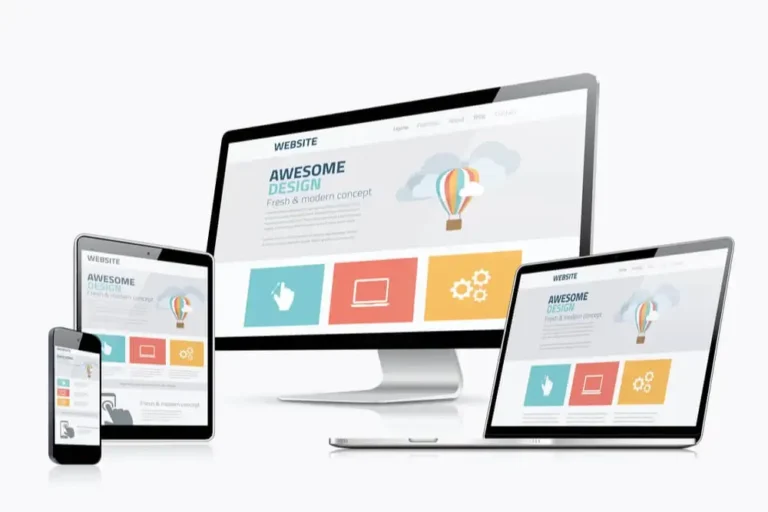
Website design should be responsive on smartphones and tablets, as a large percentage of users browse websites on their phones. This increases user engagement and leads to effective website penetration.
4. Content Clarity
High-quality images are crucial when designing a website, especially for an online store showcasing its products. Customer reviews and product videos should also be included to facilitate faster and easier purchasing decisions. Appropriate fonts should be used, tailored to the website’s type, and paragraphs should be well-organized. This encourages users to make informed decisions.
How Does Website Design Contribute to Increased Sales?
Website design directly contributes to increased sales in several ways: improving user experience, motivating visitors to make purchase decisions, and building trust. Here are the most important ways it impacts sales:
1. Building Trust and Credibility
A professional website creates a positive impression of its brand. Attractive design and harmonious colors contribute to increased customer confidence, encouraging purchases and eliminating concerns about data entry.
2. Encouraging Decision-Making
Converting visitors into customers is achieved through key website design elements such as direct call-to-action buttons like “Request Service” and “Buy Now,” as well as attractive product pages and easy checkout steps. Good design keeps visitors engaged and motivates them to take a positive step.
3. Search Engine Optimization (SEO)
A well-designed website contributes to successful advertising campaigns and search engine optimization, leading to increased traffic and ultimately higher sales.
Essential Elements of Successful Website Design
Here are the key elements for a successful website design that make your site attractive to visitors and effective in terms of performance and user experience:
Simple and Attractive User Interface
Easy navigation within the website sections allows visitors to easily find the information they need, and provides clear website information.
Search Engine Optimization (SEO)
Using keywords strategically and effectively throughout the website, using them correctly and clearly, along with optimized titles and meta descriptions. And include easy-to-read and straightforward text with clear calls to action.
Fast Website Loading Speed
Ensuring fast page loading speeds for easy browsing and minimizing image and file sizes to improve performance and reduce waiting times.
Responsive Compatibility
The website should function smoothly on phones, computers, and tablets, providing a comfortable experience across all devices.
Security and Trust
This includes an SSL certificate, a privacy policy, and displays contact information and secure payment methods for online stores.
In conclusion, website design is not merely aesthetic; it’s a strategic step that directly impacts user experience. A successful website design must prioritize visual appeal, ease of use, robust performance, engaging content, and building trust with customers. All of these elements work together to drive traffic, encourage visitor engagement, and ultimately lead to increased sales.

- Months in Arabic: Full List of Arabic Month Names (Gregorian & Islamic) - May 1, 2026
- The Curve Building Sheikh Zayed Road Guide, UAE - April 11, 2026
- Al Warqa Dubai Area Guide 2026 – Schools, Villas, Rent & Lifestyle - February 20, 2026