
Dubai Metro 30-Minute Transfer Rule: How One Fare Covers Bus, Tram & Metro
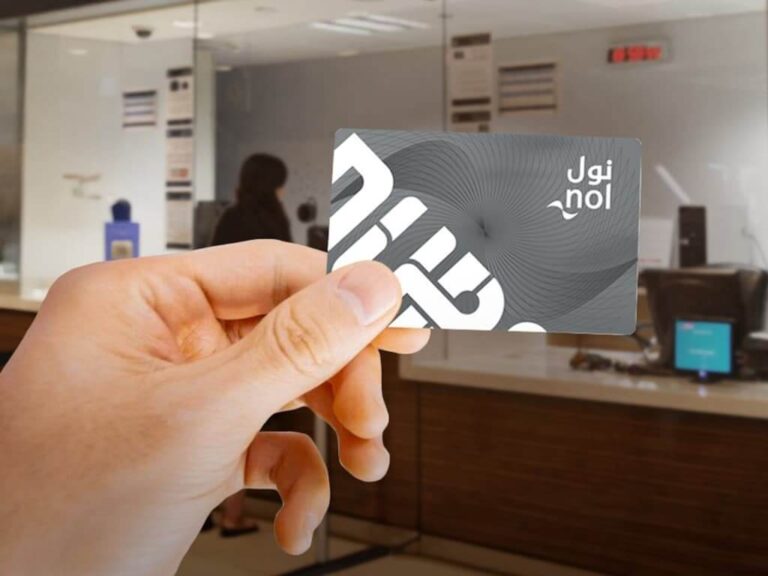
The RTA 30 minute rule bus to bus transfer is one of the most powerful – yet frequently misunderstood — features of Dubai’s integrated public transport fare system. Managed by the Roads and Transport Authority (RTA), this rule allows passengers using a nol card to transfer between buses, metro, and tram within 30 minutes and still be charged as a single journey.
In practical terms, this means that RTA nol bus to bus transfer within 30 minutes counted as one journey, helping commuters avoid multiple fare deductions when switching routes. Even better, the system allows up to 3 transfers within 180 minutes, making it possible to travel across Dubai’s zones using one optimized fare.
Whether you’re relying on RTA public buses daily or combining bus-to-metro routes, understanding how the RTA nol transfer 30 minutes 3 transfers 180 minutes rule works can significantly reduce your travel costs. This guide breaks down the official RTA nol transfer rules, real-life scenarios, and fare calculation logic—so you know exactly how your journey is counted and charged.
What Is the Dubai Metro 30-Minute Transfer Rule?

The 30-minute transfer rule (also called the 30-minute transfer window) is an RTA fare policy that allows passengers to transfer between different public transport modes within 30 minutes without being charged for a new trip.
Instead of paying separately for each Metro, Bus, or Tram ride, the system treats all connected rides as one continuous journey, and your final fare is calculated based on the total number of zones crossed, not the number of vehicles used.
In simple terms: If you switch transport modes quickly enough, you pay once, not multiple times.
How the 30-Minute Transfer Rule Works (Simple Explanation)

When you start your journey, you tap in using your nol card at the Metro gate, Bus validator, or Tram station. From that moment:
- Every time you tap out, the system starts a 30-minute countdown
- If you tap in to another eligible transport mode within 30 minutes, your journey continues
- The fare system keeps accumulating zones crossed
- As long as all transfers and the total travel time stay within limits, no new trip is charged
Your final fare is only confirmed when you complete the entire journey with your last tap-out.
Eligible Transport Modes Under the Rule
The 30-minute transfer rule applies only to RTA-integrated public transport, including:
- Dubai Metro (Red Line and Green Line)
- Dubai Tram
- RTA Public Buses
It does not apply to:
- Taxis
- Ride-hailing services such as Careem or Uber
- Palm Monorail
- Inter-emirate buses outside Dubai’s integrated zone system
Related: Dubai Metro Rules
Full Journey Limits You Must Know (Very Important)
To benefit from the 30-minute rule, your journey must stay within three strict limits:
1. Transfer Time Limit
Each transfer must occur within 30 minutes of tapping out from the previous mode.
If you exceed this window — even by a few minutes — the system starts a new paid journey.
2. Total Journey Duration
The entire journey, from the first tap-in to the final tap-out, must be completed within 180 minutes (3 hours).
Exceeding this limit results in a new fare being charged.
3. Maximum Transfers
You can make up to three transfers per journey, meaning a maximum of four rides, such as:
Metro → Tram → Bus → Metro
Dubai Fare Zones and How They Affect Pricing
Dubai’s public transport network is divided into seven fare zones. These zones include major residential, commercial, and tourist areas such as:
- Deira and Bur Dubai
- Downtown Dubai
- Dubai Marina and JBR
- Business Bay
- Al Barsha
- International City
- Dubai Silicon Oasis
Under the 30-minute rule, zones are cumulative across the entire journey.
You are charged based on the total number of zones you cross, regardless of how many vehicles you use.
Dubai Metro Fares Under the 30-Minute Rule
For the most commonly used cards, fares typically work as follows:
Silver / Personal nol Card
- Within 1 zone: AED 3
- Across 2 zones: AED 5
- Across 3 or more zones: AED 7.50
Gold nol Card
- Within 1 zone: AED 6
- Across 2 zones: AED 10
- Across 3 or more zones: AED 15
Red nol Ticket
- Higher fares apply compared to Silver or Personal cards
- Best suited for occasional tourists rather than daily commuters
Your card type affects pricing, not eligibility for the transfer rule.
Step-by-Step: Using the 30-Minute Rule Correctly
Start your journey by tapping in at a Metro station, Tram platform, or Bus.
After exiting your first mode, move directly to your next connection.
Tap in again within 30 minutes.
Repeat this process for additional transfers, staying under three transfers total.
Ensure the full journey ends within 180 minutes.
If all conditions are met, the system automatically calculates one combined fare.
Practical Dubai Examples
A commuter exits DMCC Metro Station, taps out, walks to the bus stop near JLT, and boards an RTA bus within 20 minutes. The journey remains in the same zone — only a single 1-zone fare applies.
A tourist travels from Dubai Marina Tram, transfers to the Red Line Metro, then takes a bus toward Downtown Dubai, crossing three zones but finishing within three hours. The system charges one 3-zone fare, not three separate trips.
A passenger exits BurJuman Metro Station, waits 40 minutes before boarding a bus. The transfer window is broken, and the bus trip is charged as a new journey.
Common Problems and How to Avoid Them
Many commuters accidentally break the rule by spending too long at malls, cafés, or supermarkets between transfers. Any delay beyond 30 minutes triggers a new fare.
Insufficient nol card balance can also block entry, especially for multi-zone trips. While some buses allow entry with AED 7.50, Metro and Tram typically require AED 15 minimum balance to tap in.
Always tap in and tap out correctly. Missing a tap causes fare miscalculations and may result in penalties.
Expert Tips for Daily Commuters
Plan interchanges at major hubs like Union, BurJuman, Mall of the Emirates, and Dubai Marina, where connections are designed to stay within the transfer window.
Use the S’hail app to check real-time schedules, zone boundaries, and walking times between Metro exits and bus stops.
Complete shopping or meals after your final tap-out to avoid resetting the journey.
Key Benefits of the 30-Minute Transfer Rule
This rule significantly reduces commuting costs, especially for residents traveling between residential districts and business areas. It makes Dubai’s public transport system more flexible, integrated, and commuter-friendly while encouraging multi-modal travel without financial penalties.
FAQs
What counts as a transfer under the 30-minute rule?
Switching between Metro, Bus, or Tram within 30 minutes of tapping out.
How many transfers are allowed?
Up to three transfers in one journey.
Can I use it for return trips?
No. Once the journey ends, a new trip starts for the return.
Does it work across multiple zones?
Yes. Fare is based on total zones crossed.
Is it available on all nol cards?
Yes, including Red, Silver, Gold, and Personal cards.
Conclusion
The RTA 30 minute rule bus to bus transfer is a smart fare optimization system designed to make Dubai’s public transport more efficient and cost-effective. By allowing RTA nol transfer between buses within 30 minutes charged as single journey, commuters can seamlessly switch routes without paying extra—provided they stay within the 180-minute total journey window and 3-transfer limit.
For daily riders and visitors alike, mastering the RTA nol bus to bus transfer 30 minutes same journey rule means fewer charges, better route flexibility, and complete control over your travel expenses across Dubai.
To maximize your savings, combine this knowledge with a clear understanding of Dubai fare zones, nol card balance management, and RTA route planning tools. When used strategically, the RTA transfer system ensures every trip is optimized for both cost and convenience.