Clock Tower Roundabout Dubai Guide, UAE – History, Location & Travel Tips
Clock Tower Roundabout Dubai stands as one of the most recognizable heritage landmarks in the city, quietly reflecting decades of transformation from a modest trading port into a global metropolis. Located in the heart of Deira, this historic roundabout is far more than a traffic junction—it is a symbolic gateway to old Dubai and a reminder of the emirate’s early urban planning vision.
For residents, it represents nostalgia and identity. For visitors, it offers a starting point to explore traditional markets, cultural districts, and historic neighborhoods. Its strategic position near key roads and the airport ensures that it remains one of the first landmarks many travelers encounter when entering the city.
Overview of Clock Tower Roundabout Dubai
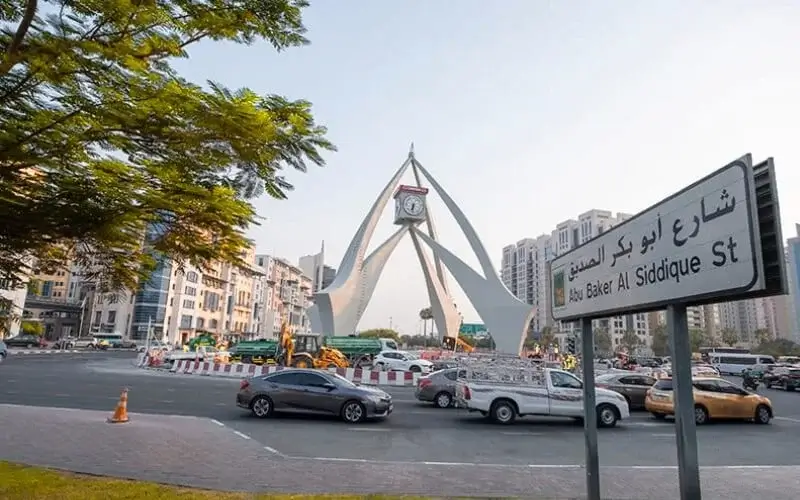
The Clock Tower Roundabout, often referred to as the Deira Clocktower, was constructed in the early 1960s during a period when Dubai began investing heavily in infrastructure and connectivity. Positioned at the intersection of Umm Hurair Road and Al Maktoum Road, it quickly became a focal point for movement between Deira, Bur Dubai, and surrounding districts.
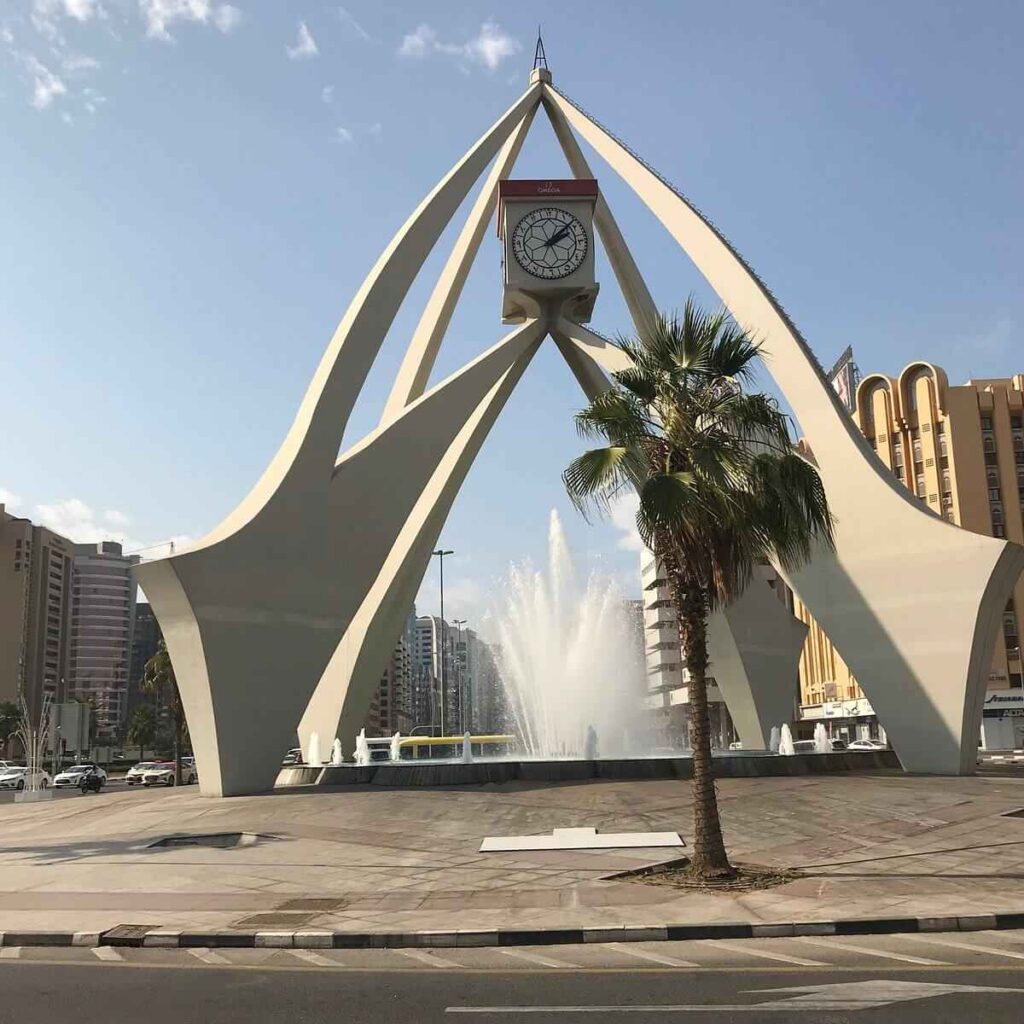
What distinguishes this landmark is its architectural simplicity combined with symbolic depth. The structure features four elegant arches that rise symmetrically to support a central clock, making it visible from all directions. This design not only serves aesthetic purposes but also functions as a navigational reference point, especially before the widespread use of digital maps.
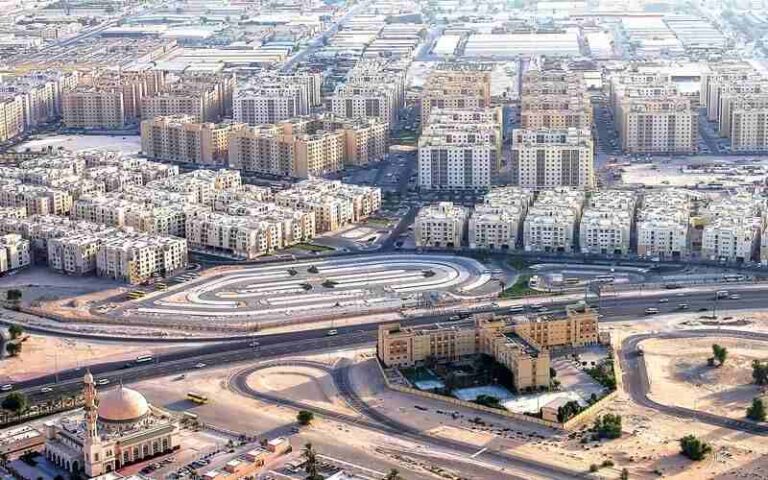
Over time, the surrounding area has evolved into a bustling commercial zone, hosting offices, hotels, restaurants, and transport links. Despite rapid modernization, the roundabout continues to maintain its historical identity while adapting to contemporary urban demands.
Clock Tower Roundabout History and Cultural Significance
The Clock Tower Roundabout was completed between 1963 and 1965, marking one of Dubai’s earliest modern landmarks. It was conceptualized during a time when major roads into the city converged in Deira, long before the development of extensive highway networks.
The idea behind the structure originated from a large, gifted clock, which inspired the creation of a monument to house it. The resulting design became an enduring symbol of progress, representing Dubai’s ambitions during its formative years of development.
For long-time residents, the landmark holds emotional value. It represents a period when the city was simpler, less crowded, and deeply rooted in trade and community. Even today, phrases like “meet at the clock tower” remain part of everyday language, reinforcing its cultural relevance.
Recent renovation plans under Dubai’s long-term urban strategy aim to enhance the landmark with improved landscaping, lighting, and water features while preserving its original structure. This balance between conservation and modernization reflects the city’s broader approach to heritage management.
Clock Tower Roundabout Location and Accessibility
Clock Tower Roundabout is situated in Deira, one of the oldest and most vibrant districts in Dubai. Its location places it within close proximity to major commercial and residential areas, making it highly accessible.
Travelers can easily reach the roundabout via the Dubai Metro, with nearby stations such as Al Rigga and Deira City Centre on the Red Line. Public buses and taxis operate extensively in the area, ensuring convenient connectivity at all times.
Its proximity to Dubai International Airport-approximately a short drive away, makes it one of the first landmarks seen by arriving visitors. This strategic positioning has contributed to its long-standing importance as a navigational and logistical hub.
Step-by-Step Guide to Visiting Clock Tower Roundabout
Visiting the Clock Tower Roundabout is straightforward, especially for travelers exploring old Dubai.
First, choose your mode of transport. The metro is the most efficient option, offering direct access to nearby stations within walking distance. Taxis and ride-hailing services provide a more flexible alternative, especially during peak hours.
Upon arrival, take time to walk around the surrounding streets of Deira. While the roundabout itself is primarily a traffic structure, the nearby areas offer plenty of opportunities for exploration, photography, and local experiences.
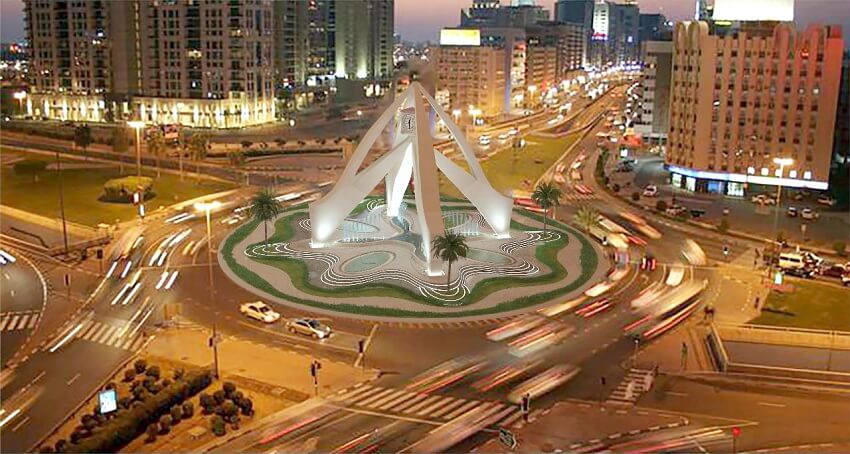
Plan your visit during the evening if possible. The landmark is beautifully illuminated at night, enhancing its visual appeal and making it a popular spot for photography and social media content.
Finally, combine your visit with nearby attractions such as traditional markets, waterfront areas, and shopping centers to create a complete cultural experience.
Role in Dubai’s Traffic and Urban Planning
From an urban planning perspective, the Clock Tower Roundabout has played a critical role in managing traffic flow for decades. Its circular design allows for continuous movement, reducing signal dependency and improving efficiency at a key intersection.
The roundabout connects multiple major routes, linking residential areas, commercial zones, and airport corridors. This connectivity has made it an essential component of Dubai’s transportation network, even as the city expanded with highways and flyovers.
Despite the introduction of advanced traffic systems, the roundabout remains functional and relevant. It demonstrates how early infrastructure planning continues to support modern urban mobility.
Nearby Attractions and Travel Experience
The area surrounding Clock Tower Roundabout offers a rich blend of traditional and modern experiences. Visitors can explore historic souks, waterfront promenades, and shopping destinations within a short distance.
Deira’s traditional markets provide insight into Dubai’s trading heritage, while nearby malls and hotels cater to contemporary lifestyles. The mix of old and new creates a unique atmosphere that defines the character of this district.
For travelers planning extended exploration, consider linking your visit with guides such as “Old Dubai heritage districts and souks” or “Dubai Creek cultural experiences” to deepen your understanding of the city’s origins.
Common Problems and Solutions
Visitors often face challenges related to navigation and accessibility due to the busy nature of the area. Traffic congestion during peak hours can make driving less convenient, especially for first-time visitors.
Using public transport is the most effective solution. The metro and buses offer reliable alternatives that avoid traffic delays. Walking from nearby stations is also manageable and provides a more immersive experience.
Another common issue is limited parking directly near the roundabout. Travelers are advised to use parking facilities at nearby commercial centers or hotels and approach the landmark on foot.
Expert Tips and Best Practices
To get the most out of your visit, timing and planning are essential. Early mornings and late evenings offer the best conditions for photography, with softer lighting and reduced traffic.
Exploring the surrounding streets rather than focusing solely on the roundabout enhances the experience. The nearby cafes, local shops, and traditional markets provide valuable cultural context.
For content creators and travel bloggers, capturing the landmark at night with illuminated arches can significantly improve visual appeal. Pairing this with nearby cityscapes creates a compelling narrative of old versus modern Dubai.
Key Benefits of Visiting Clock Tower Roundabout
Visiting this landmark offers more than just sightseeing. It provides historical insight into Dubai’s early development and urban planning strategies.
It also serves as a convenient starting point for exploring Deira and surrounding areas. The accessibility and central location make it ideal for travelers looking to cover multiple attractions in one trip.
Additionally, the landmark’s symbolic value enhances the overall travel experience, offering a deeper connection to the city’s cultural identity.
FAQs
What is Clock Tower Roundabout Dubai famous for?
It is known as one of Dubai’s oldest landmarks and a symbol of early urban development.
Where is Clock Tower Roundabout located?
It is located in Deira at the intersection of Umm Hurair Road and Al Maktoum Road.
When was the Clock Tower built?
It was constructed between 1963 and 1965.
Can tourists visit the Clock Tower Roundabout?
Yes, visitors can view and photograph it, although it is primarily a traffic roundabout.
What are the nearest metro stations?
Al Rigga and Deira City Centre stations are the closest.
Is the Clock Tower still operational?
Yes, it continues to function as an active traffic junction.
Are there attractions nearby?
Yes, traditional markets, shopping centers, and waterfront areas are all nearby.
Has the landmark been renovated?
Yes, it has undergone upgrades including lighting and landscaping improvements.
Conclusion
Clock Tower Roundabout Dubai remains a powerful symbol of the city’s journey from a modest trading hub to a global destination. Its enduring presence in Deira highlights the importance of preserving heritage while embracing modernization.
As both a functional traffic hub and a cultural landmark, it continues to connect not just roads, but generations of residents and visitors. Whether you are exploring old Dubai or simply passing through, this iconic structure offers a meaningful glimpse into the city’s past and present.