This Is When DXB Airport Is Set to Move Services to Al Maktoum International Airport (UAE Guide)
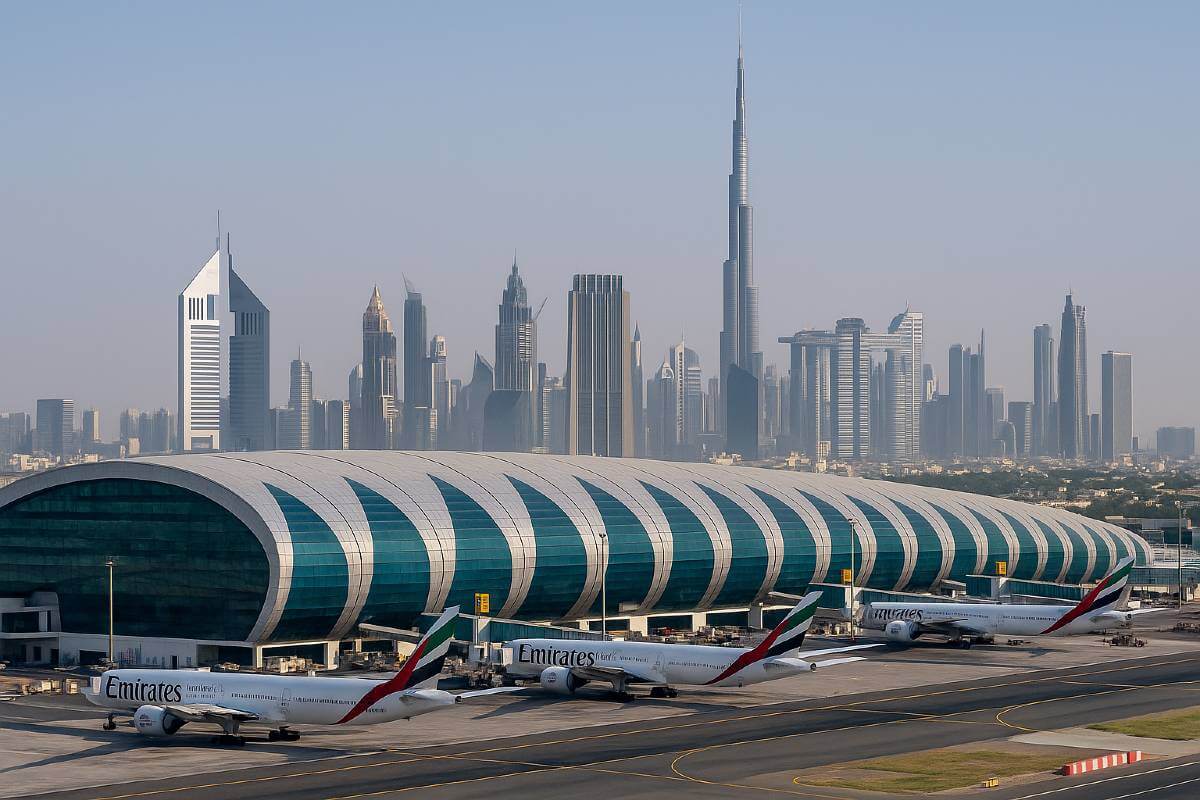
Dubai International Airport (DXB), the world’s busiest international airport for global passengers, is approaching a historic turning point. As passenger volumes continue to surge and physical expansion limits are reached, Dubai Airports has confirmed that all major operations at DXB will eventually relocate to Al Maktoum International Airport (DWC) in Dubai South.
For travelers, airlines, investors, and residents, the key question is no longer if the move will happen, but when DXB airport services will move to Al Maktoum International Airport, and how this transition will unfold.
This guide provides the most complete, up-to-date, and authoritative explanation of the DXB-to-DWC transition, based on official statements, infrastructure plans, and long-term aviation strategy.
Why Dubai Is Moving From DXB to Al Maktoum International
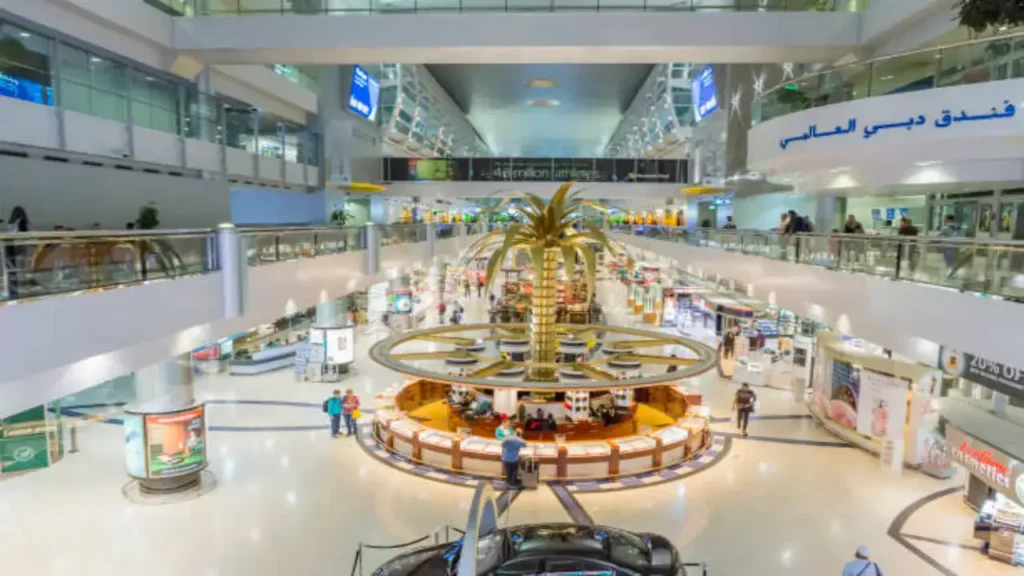
Dubai’s aviation growth has outpaced what DXB was ever designed to handle. Despite multiple expansions, DXB is operating near its structural ceiling, both in terms of airside capacity and surrounding urban constraints.
According to Dubai Airports CEO Paul Griffiths, DXB will reach its absolute maximum capacity of approximately 114–115 million passengers by 2031. Beyond that point, meaningful expansion is no longer feasible due to airspace congestion, runway limitations, and its dense urban location near Deira and Garhoud.
Al Maktoum International Airport (DWC), located in Dubai South, was master-planned specifically to solve this problem. It is designed as a next-generation global aviation hub with virtually unlimited expansion potential, integrated logistics zones, and room for future technologies.
The transition from DXB to DWC will represent the largest airport migration in aviation history, moving operations from the world’s busiest airport to what is set to become the world’s largest.
When Will DXB Airport Move to Al Maktoum? The Confirmed Timeline
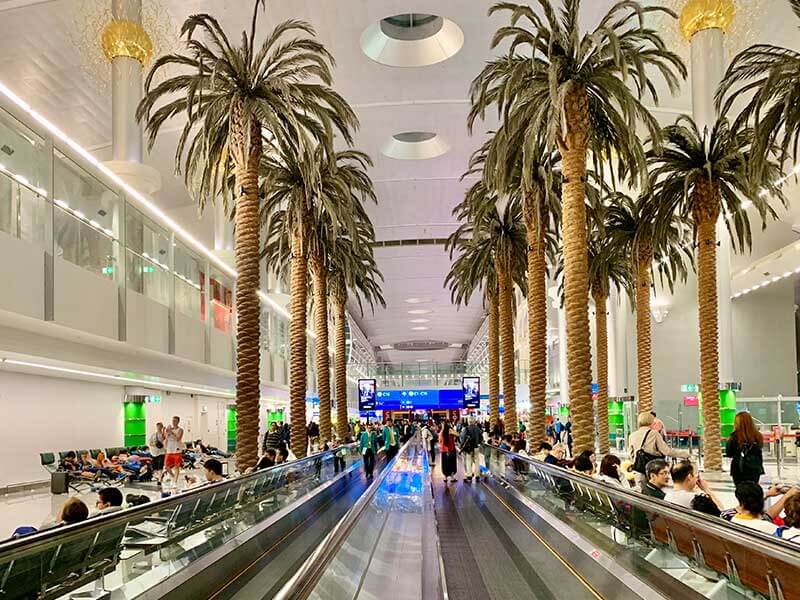
The Target Year: 2032
Dubai Airports has formally identified 2032 as the target year for the complete operational transition from DXB to Al Maktoum International Airport. This timeline aligns with DXB reaching saturation and the first major phase of DWC’s expanded terminal complex becoming fully operational.
By this point, the majority of passenger traffic, airline operations, and hub connectivity will have shifted south.
Phased Migration Before 2032 (2026–2031)
The move will not happen overnight. A phased migration strategy will begin several years earlier to minimize disruption and allow airlines and passengers to adapt gradually.
From 2026 onward, airlines will increasingly be encouraged to operate from DWC whenever capacity constraints arise at DXB. Between 2028 and 2030, flydubai and other low-cost or regional carriers are widely expected to relocate a growing share of their services to Al Maktoum as new terminal facilities come online.
During this period, DXB and DWC will operate in parallel, with traffic progressively shifting south.
Emirates’ Full Relocation: 2034
While some Emirates flights may operate from DWC earlier, Emirates Airline plans to relocate its entire hub operation “in one go” around 2034. This approach avoids splitting a highly complex hub-and-spoke network across two airports, which would be operationally inefficient.
DXB Closure as a Commercial Hub: Around 2035
Once the transition is complete and DWC has sufficient capacity, DXB is expected to cease operations as a commercial passenger hub around 2035. Any future use of the site would likely involve redevelopment rather than continued aviation operations.
What Makes Al Maktoum International Airport the Replacement for DXB
Al Maktoum International Airport is not a simple replacement; it is a generational leap in airport scale and design.
The DWC master plan includes:
- Ultimate capacity of 260 million passengers per year
- Five parallel runways
- Approximately 400 aircraft gates
- Total site area of 70 square kilometers, making it nearly five times larger than DXB
- Integrated cargo, logistics, aviation manufacturing, and urban development zones
The project is backed by a Dhs128 billion investment, positioning DWC as the centerpiece of Dubai’s long-term aviation and economic strategy. While full build-out will continue until around 2057, the airport will be fully capable of handling DXB’s traffic well before then.
How the Transition Will Affect Passengers
For travelers, the most important point is that DXB will remain operational throughout the transition period. Flights will gradually shift to DWC, meaning passengers must pay closer attention to airport codes when booking.
During the early 2030s:
- Some airlines will operate exclusively from DWC
- Others may operate from both airports
- Emirates will remain primarily at DXB until its full move
Passenger services at DWC will evolve rapidly, with advanced baggage systems, biometric processing, automated immigration, and large-scale people mover networks designed to handle far higher volumes than DXB ever could.
Dubai Airports has emphasized that the goal is not just scale, but maintaining a high-quality, personalized passenger experience even at massive volumes.
Transport Links Between Dubai City and Al Maktoum Airport
Connectivity is critical to DWC’s success. Planned and existing infrastructure includes:
- Direct highway access via Sheikh Mohammed bin Zayed Road and Emirates Road
- Future Dubai Metro extensions into Dubai South
- Dedicated express transit systems within the airport complex
- Integrated rail and cargo corridors supporting logistics and freight
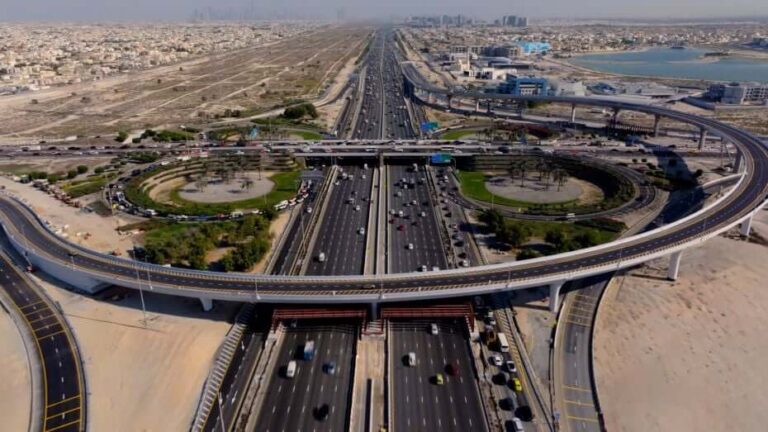
According to Dubai Airports leadership, relocating the main airport south will also rebalance traffic flows across the city, reducing congestion in northern Dubai and supporting growth in newer districts.
What Will Happen to DXB After the Move?
Once all operations shift to Al Maktoum, Dubai Airports has indicated there is little economic sense in operating two mega-hubs so close together.
By the time of the move, DXB’s infrastructure assets will be nearing the end of their operational lifespan. Maintaining the airport would require massive reinvestment, making closure or full repurposing more likely.
While no official redevelopment plan has been announced, the DXB site is expected to become one of the most valuable urban regeneration opportunities in the region.
FAQs
Will Emirates move to Al Maktoum International Airport?
Yes. Emirates will relocate its entire hub operation to DWC, with a full transition expected around 2034.
Will Al Maktoum Airport replace DXB completely?
Yes. Al Maktoum International Airport is designed to fully replace DXB as Dubai’s primary aviation hub.
When will airlines start moving from DXB to DWC?
A phased migration is expected to begin between 2026 and 2030, starting with selected carriers and routes.
Which airport is opening or expanding in 2025?
Expansion work at Al Maktoum International Airport is ongoing, with early terminal phases becoming operational before the full transition.
When was Al Maktoum International Airport built?
Al Maktoum International Airport opened in 2010, with long-term expansion planned in multiple phases through the mid-21st century.
Conclusion
Dubai’s decision to move all major airport operations from DXB to Al Maktoum International Airport marks one of the most significant infrastructure transformations in global aviation history.
With 2032 set as the pivotal transition year, a carefully phased migration, and a long-term vision extending to 260 million passengers annually, DWC is not just replacing DXB—it is redefining what a global aviation hub can be.
For travelers, airlines, and businesses, understanding this timeline now ensures smoother planning in the decade ahead. As Dubai continues to position itself at the center of global connectivity, Al Maktoum International Airport will become the future gateway to the city, the region, and the world.

- Al Warqa Dubai Area Guide 2026 – Schools, Villas, Rent & Lifestyle - February 20, 2026
- Sajaa Sharjah: Al Sajaa Industrial Area Complete Guide, UAE - February 12, 2026
- Fountain Area City Walk Guide UAE – Show Timings, Restaurants, Tips & Visitor - February 10, 2026