Al Satwa Big Mosque Dubai: Complete Guide to Al Satwa Al Kabeer Masjid, Location, History & Visitor Tips (UAE)
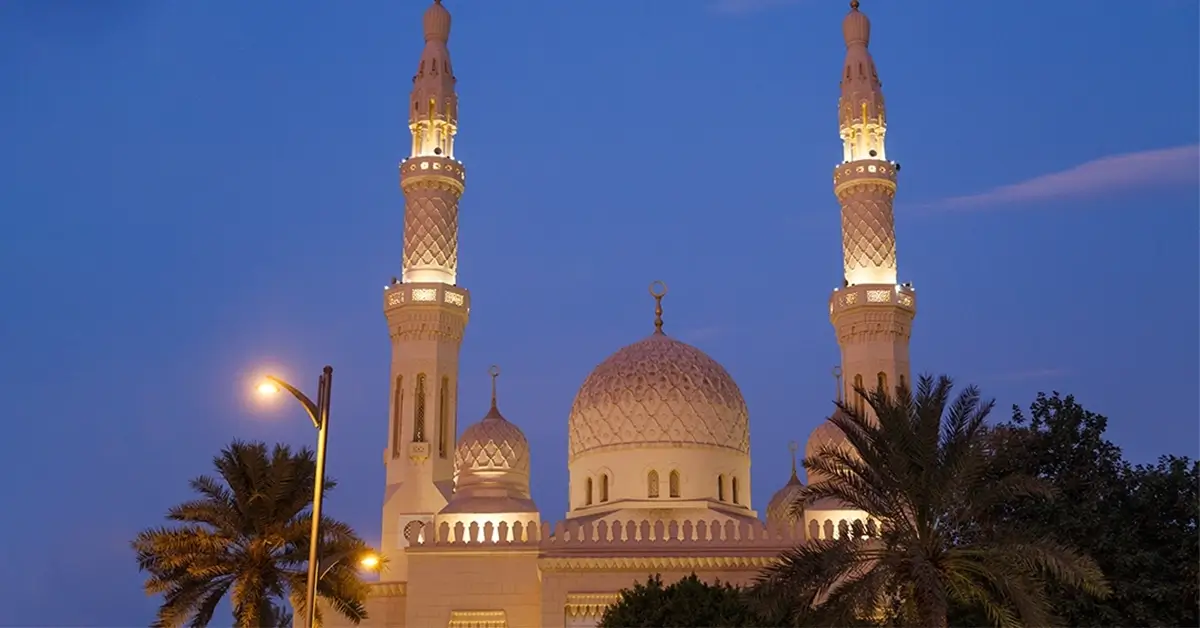
Al Satwa Big Mosque, officially known as Al Satwa Al Kabeer Masjid, is one of the most recognizable religious landmarks in the Al Satwa district of Dubai. Located along Al Satwa Road near Al Bada’a and Jumeirah, the mosque functions as both a spiritual center and a cultural anchor for one of Dubai’s oldest multicultural neighborhoods.
Serving hundreds to more than a thousand worshippers during peak times, the mosque reflects Dubai’s balance between Islamic heritage and rapid urban development. For residents, it is part of daily life. For visitors, it offers insight into local religious traditions, community structure, and the role mosques play in UAE society.
Positioned close to major business and residential corridors like Sheikh Zayed Road, World Trade Centre, and Downtown Dubai, the mosque is easily accessible and sits within a dense network of markets, restaurants, and residential communities.
Why Al Satwa Big Mosque Matters
Al Satwa Big Mosque is more than a place for prayer. It represents:
- A long-standing religious hub in central Dubai
- A community gathering and learning center
- A symbol of Satwa’s multicultural yet tradition-rooted identity
- A key Islamic landmark serving residents across Al Satwa, Al Bada’a, Jumeirah 1, and Al Hudaiba
The mosque supports:
- Five daily prayers
- Jumu’ah (Friday prayer gatherings)
- Ramadan Taraweeh prayers
- Religious lectures and Quran learning sessions
- Community charity and outreach programs
Mosques in Dubai typically operate under religious governance and standards set by official Islamic affairs authorities, ensuring standardized prayer timing calculations and community services across the emirate.
The mosque is located directly on Al Satwa Road in the Al Bada’a / Satwa area, making it highly accessible from key commercial and residential zones.
Opening hours often align with prayer schedules, with typical daily operational windows running from early morning to late evening.
History and Origins of Al Satwa Al Kabeer Masjid
While the exact foundation date is not widely documented, the mosque developed alongside Al Satwa’s transformation from a modest residential district into one of Dubai’s most culturally diverse inner-city neighborhoods.
Historically, Satwa became home to working families, small businesses, and expatriate communities. As the population grew, religious infrastructure expanded, and Al Satwa Big Mosque emerged as a core religious institution.
Over time, renovations and structural updates improved capacity and comfort, including:
- Expanded prayer halls
- Modern air-conditioning systems
- Upgraded ablution (wudu) facilities
- Improved accessibility for large Friday congregations
Today, the mosque continues to serve multiple generations of residents and remains deeply embedded in local identity.
Architecture and Design Features
Exterior Architecture
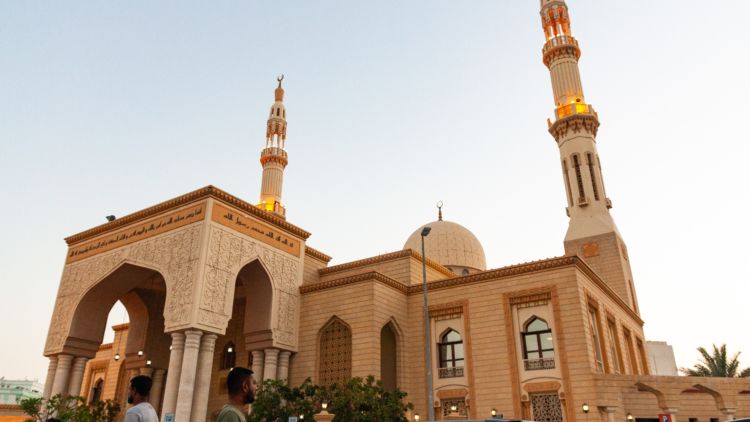
The mosque reflects classical Islamic architectural principles adapted for urban functionality:
- Central dome symbolizing unity and spiritual focus
- Tall minaret used for the call to prayer
- Arched entrances and geometric design language
- Neutral facade tones matching surrounding residential architecture
Islamic architecture traditionally emphasizes symmetry, proportion, and spiritual calm – all visible in the mosque’s structure.
Interior Layout and Prayer Facilities
Inside, the mosque is designed for practicality and spiritual focus:
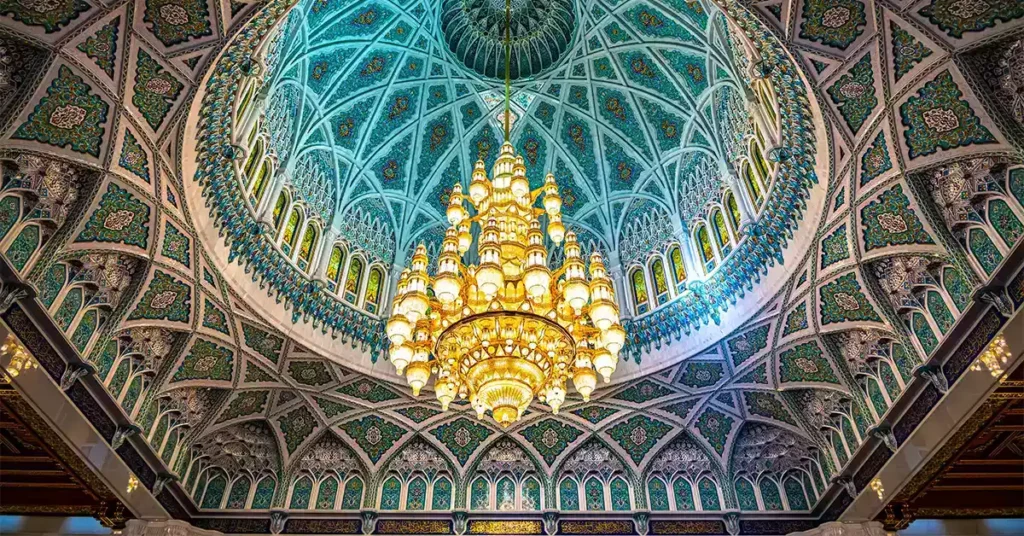
- Large main prayer hall
- Dedicated women’s prayer section
- Patterned prayer carpets
- Geometric floor detailing
- Structural columns allowing open congregation flow
Modern infrastructure ensures comfort during extreme UAE summer temperatures.
Courtyards and Community Space
Outdoor areas often function as overflow prayer space during Ramadan and Friday prayers. In cooler months, these spaces act as social and reflective gathering zones for worshippers.
Location and How to Reach Al Satwa Big Mosque
Address
Al Satwa Road, Al Bada’a / Al Satwa, Dubai, UAE
Contact
+971 4 608 7777
Step-by-Step: How to Get There
By Bus
Direct bus connectivity makes Satwa one of Dubai’s most public-transport-friendly districts. Routes commonly serving the area include:
15, 32C, 55, 93, C26, X13
Stops like Satwa Big Mosque or Satwa Roundabout are typically within walking distance.
By Dubai Metro
Nearest stations:
- World Trade Centre Metro Station
- Emirates Towers Metro Station
Both are roughly 1.5–2 km away and connect via short taxi or bus rides.
By Taxi or Car
Travel time estimates:
- Downtown Dubai: 15–20 minutes
- Bur Dubai / Karama: 15 minutes
- Dubai Marina: 25–35 minutes
Parking is limited near peak prayer times.
Recommended: Sheikh Zayed Grand Mosque
Prayer Timings (Typical Pattern)
Prayer timings change daily based on astronomical calculations. Worshippers in Dubai typically follow official UAE calculation standards.
Mosques generally operate from early morning until late evening around the final prayer window.
Visitors should verify same-day timings through official Islamic affairs channels or mosque notice boards.
Visitor Guide: Rules, Etiquette, and What to Expect
Entry is typically free, and visitors can view the mosque externally or, in some cases, visit designated areas outside prayer times.
Dress Code
Required for all visitors:
- Covered shoulders
- Covered knees
- Women may be expected to cover hair in prayer areas
Visit Timing Tips
Best visiting windows:
- Mid-morning
- Early afternoon
- Late evening (non-prayer windows)
Visiting during prayer time may limit access since worship activities take priority.
Cultural and Community Importance
The mosque plays a central role in:
Religious Education
- Quran classes
- Islamic lectures
- Youth religious learning
Charity and Social Support
- Food drives
- Ramadan community meals
- Local outreach programs
Cultural Preservation
In a rapidly modernizing city, mosques like Al Satwa Big Mosque help preserve traditional religious identity and social cohesion.
Nearby Mosques and Religious Landmarks
Iranian Mosque (Imam Hussein Mosque)
Located on Al Wasl Road, this mosque features Persian blue tile architecture and was established by the Iranian community in 1979.
Nearby Attractions and Travel Context
Visitors can combine a mosque visit with nearby landmarks:
- Satwa Market
- Jumeirah Mosque
- City Walk / Green Planet
- Zabeel Park and Dubai Frame
- Sheikh Zayed Road skyline area
Common Visitor Questions and Solutions
Is the mosque open to non-Muslims?
Generally yes for external viewing, but internal access may be limited outside official visitor programs.
Is parking easy?
Street parking exists but fills quickly during Friday prayers and Ramadan evenings.
When is the quietest time to visit?
Between Dhuhr and Asr prayers on weekdays.
Expert Travel Tips
- Combine visit with Jumeirah Mosque cultural tours for deeper Islamic architecture insight.
- Use buses instead of driving during Friday prayer hours.
- Visit Satwa restaurants nearby for authentic local dining after Maghrib.
- Always check same-day prayer times to avoid arrival during congregational prayer.
Key Benefits of Visiting or Knowing About Al Satwa Big Mosque
- Cultural immersion in old Dubai
- Easy access from central Dubai
- Authentic local neighborhood experience
- Exposure to traditional Islamic architecture
- Understanding real community mosque life (not just tourist mosques)
FAQs
What is Al Satwa Big Mosque known for?
It is known as a major community mosque serving central Dubai’s Satwa district.
Where is Al Satwa Al Kabeer Masjid located?
On Al Satwa Road in the Al Bada’a / Satwa area of Dubai.
Can tourists visit Al Satwa Big Mosque?
External visits are usually allowed; internal access depends on prayer schedules.
Is there a dress code?
Yes – modest clothing covering shoulders and knees is required.
Which metro station is closest?
World Trade Centre or Emirates Towers stations on the Red Line.
Conclusion
Al Satwa Big Mosque remains one of Dubai’s most authentic neighborhood mosques, representing the intersection of faith, culture, and daily life. While it may not have the global fame of large architectural mosques, its value lies in its deep integration into community life and its accessibility within central Dubai.
For visitors, it offers a meaningful glimpse into real Islamic worship culture in the UAE. For residents, it continues to serve as a cornerstone of spiritual and social life in one of Dubai’s most historic districts.