Dubai Metro Rules Upgrade 2026: Complete Guide for Tourists, Residents, and Daily Commuters
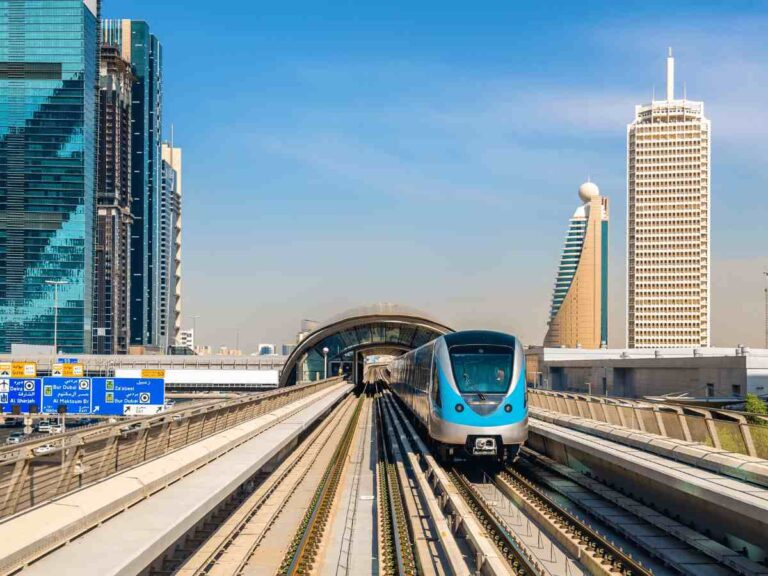
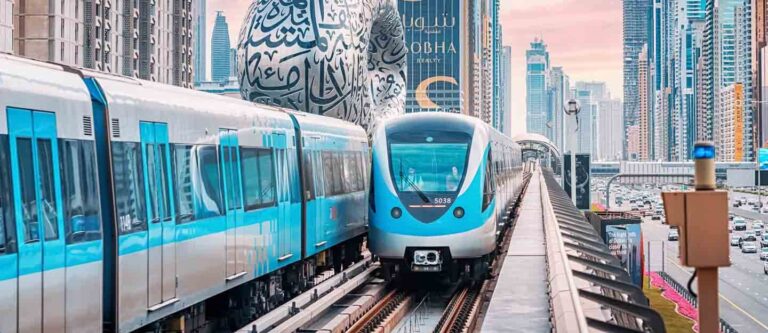
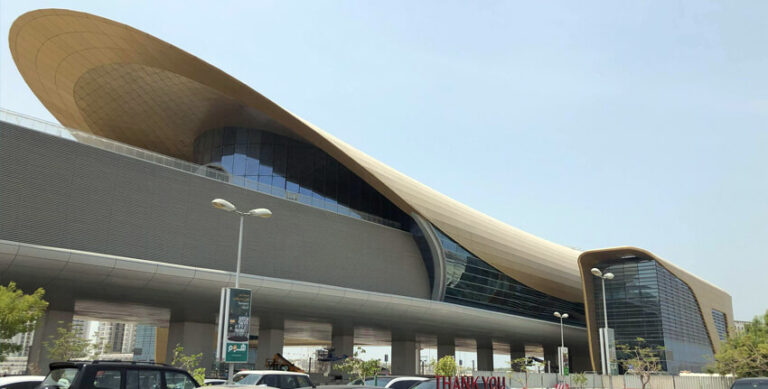
Dubai Metro is more than a transport system; it is a reflection of how Dubai manages efficiency, safety, and cultural harmony at scale. Operated by the Roads and Transport Authority (RTA), the metro connects key districts such as Downtown Dubai, Deira, Dubai Marina, Jebel Ali, Bur Dubai, and Dubai International Airport (DXB) through the Red and Green Lines.
For 2026, Dubai Metro rules have been refined and more strictly enforced, particularly around passenger behavior, fare compliance, safety, and cultural etiquette. Whether you are a tourist, an office commuter, or a family traveling with children, understanding these rules is essential to avoid fines and ensure a smooth journey.
This upgraded guide explains Dubai Metro rules in depth, clarifies common misconceptions, and adds local insights that most competing pages miss.
How Dubai Metro Rules Work
Dubai Metro rules are designed around three core principles: safety, cleanliness, and respect for local customs. These regulations apply across trains, platforms, stations, and metro-linked facilities such as park-and-ride zones.
Every passenger must:
- Hold a valid Nol card or ticket
- Follow cabin-specific rules
- Respect fare zones and transfer limits
- Comply with behavioral and safety guidelines
Enforcement is active, with inspectors regularly checking Nol cards and monitoring violations via CCTV across stations like Union, BurJuman, Mall of the Emirates, and Business Bay.
Ticketing Rules and Nol Card Requirements
To enter the paid area of any Dubai Metro station, a Nol card is mandatory. You must tap in at entry gates and tap out at your destination. Failing to do either is treated as fare evasion.
A minimum balance of AED 7.50 is required to check in, although frequent users are advised to maintain at least AED 15 to cover return journeys. Using an expired card, an invalid card, or someone else’s card can result in fines starting from AED 200, with higher penalties for counterfeit cards.
Importantly, one Nol card cannot be shared between two passengers, even children above the free-travel age.
The Dubai Metro 30-Minute Rule Explained
One of the most misunderstood yet valuable rules is the 30-minute transfer rule. Dubai’s public transport network is divided into seven fare zones, covering metro, tram, and bus services.
When you exit the metro, you can transfer to another RTA transport mode—such as a bus or tram—within 30 minutes, and it will still count as the same journey. This allows up to three transfers per trip, provided the total travel time does not exceed 180 minutes.
The final fare is calculated based on the total number of zones crossed, not the number of vehicles used. This rule is particularly useful for commuters traveling from metro stations to residential communities like JBR, Al Barsha, or Dubai Silicon Oasis.
Rules Inside Trains and Stations
Dubai Metro enforces strict conduct rules to maintain a clean and comfortable environment.
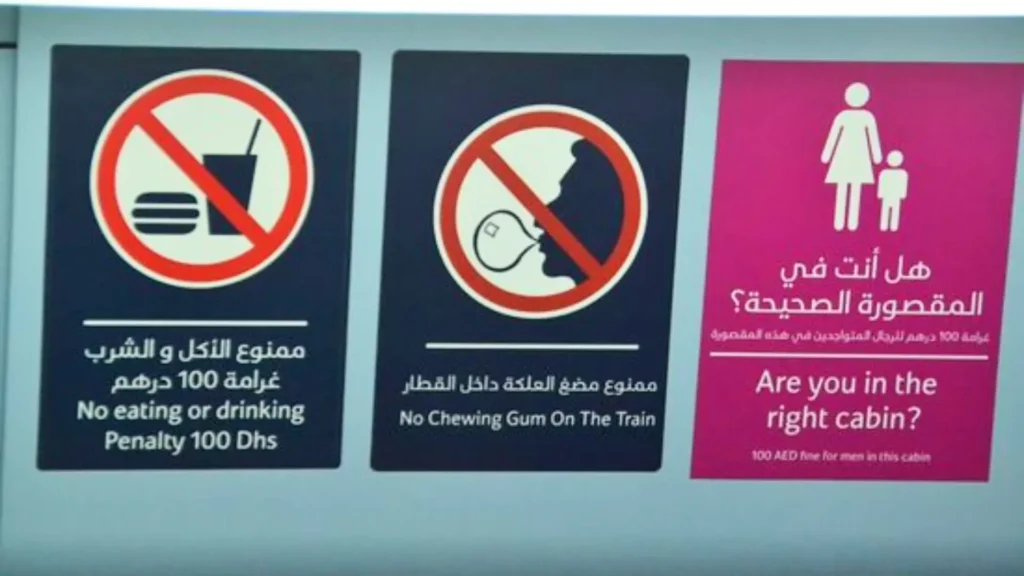
Eating, drinking, or chewing gum is not allowed anywhere inside trains or station platforms. Even drinking water can result in fines starting at AED 100. Smoking and vaping, including e-cigarettes, are banned throughout the entire metro system, with fines commonly reaching AED 200 to AED 500.
Passengers are expected to keep noise levels low. Loud phone calls, playing music without headphones, or disruptive behavior can result in penalties. Littering or spitting is treated seriously, reflecting Dubai’s cleanliness standards, and usually carries fines of AED 200 or more.
Sleeping or lying across seats is also prohibited, particularly during peak hours, with fines commonly around AED 300.
Reserved Cabins, Seating, and Metro Etiquette
Dubai Metro operates three distinct cabin types: Gold Class, Women & Children, and Regular (Silver) cabins.
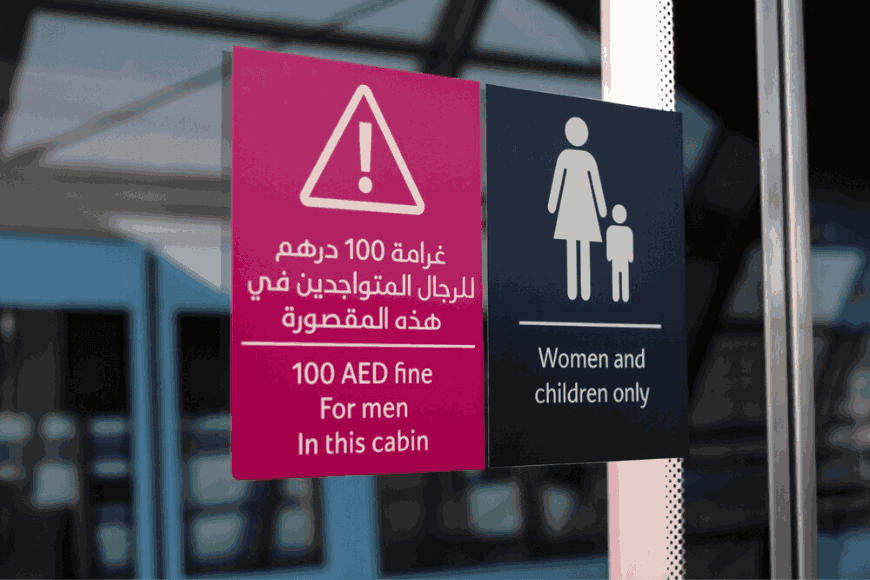
The Women & Children cabin is clearly marked with pink signage and is reserved for women and children under 12. Men entering this cabin during restricted periods face fines of AED 100 or more, even if the train is not crowded.
Gold Class cabins are exclusively for Gold Nol cardholders. Sitting there with a Silver or Red card is a common mistake among tourists and results in fines starting from AED 100.
Priority seating must be offered to elderly passengers, people of determination, pregnant women, and parents with young children. Placing feet or bags on seats is another frequently penalized violation, with fines typically around AED 100.
Baggage, Prohibited Items, and Personal Transport
Passengers are allowed two pieces of luggage: one large suitcase and one carry-on, within RTA size limits. Oversized or excess luggage may be denied entry during peak hours, especially at airport-linked stations like DXB Terminal 1 and Terminal 3.
Only foldable e-scooters without seats are permitted, subject to weight and size restrictions. Charging e-scooters or devices inside stations is strictly prohibited.
Pets are not allowed on the metro, except for guide dogs for visually impaired passengers.
Hazardous materials, sharp tools, flammable substances, and alcoholic beverages are banned. Violations can lead to fines ranging from AED 500 to AED 1,000 or more.
Safety Rules and Emergency Regulations
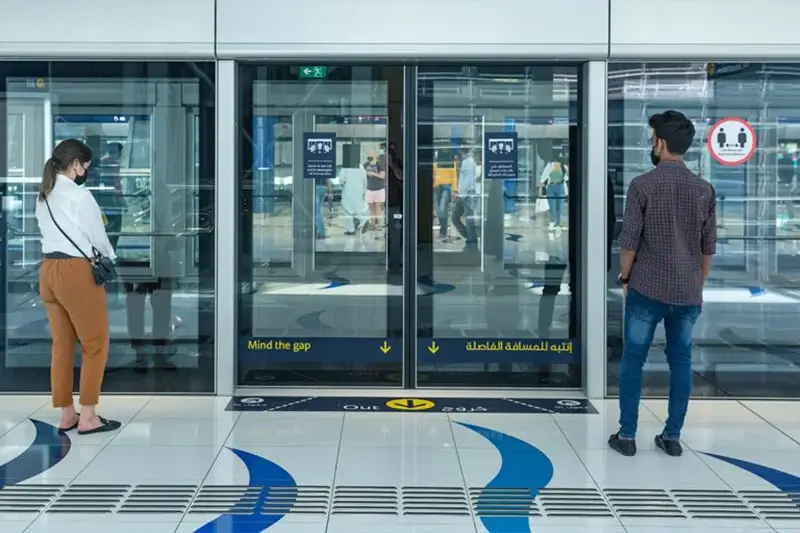
Safety is a non-negotiable priority on Dubai Metro. Passengers must stand behind the yellow line on platforms and never obstruct train doors. Forcing doors open or preventing them from closing can result in fines between AED 100 and AED 500.
Emergency buttons, alarms, and exits must only be used during genuine emergencies. Misuse is treated as a serious offense and can attract fines of up to AED 2,000.
Entering staff-only areas, crossing tracks, or ignoring station security instructions is strictly prohibited and may involve additional legal consequences beyond fines.
Photography, Commercial Activity, and Parking Rules
Casual personal photography is generally tolerated, but professional or commercial filming inside stations or trains requires prior RTA approval. Unauthorized commercial photography can result in fines exceeding AED 1,000.
Selling goods, promotional activities, or begging inside the metro system is illegal and actively enforced.
Metro park-and-ride facilities are intended for metro users only. Non-users or vehicles parked beyond permitted durations may face daily fines, typically AED 100 per day, capped at higher totals.
Key Benefits of Following Dubai Metro Rules
Complying with Dubai Metro rules ensures:
- Faster, stress-free commuting
- Avoidance of unexpected fines
- Respect for UAE cultural norms
- Safer travel for families and tourists
- Seamless integration with buses and trams
For visitors, it also reflects positively on travel experience and cultural awareness.
FAQs
What items are prohibited on Dubai Metro trains?
Food, drinks, alcohol, smoking devices, hazardous materials, pets (except guide dogs), and oversized luggage are not allowed.
Is sleeping allowed in Dubai Metro?
No. Sleeping or lying across seats is prohibited and can lead to fines.
Can I use one Nol card for two people?
No. Each passenger must have their own Nol card or ticket.
What is the Dubai Metro 30-minute rule?
You can transfer to another RTA transport mode within 30 minutes of exiting the metro without starting a new fare.
Are children allowed to travel free?
Children under five travel free. Older children require a valid Nol card.
Conclusion: Dubai Metro Rules Are Simple When You Know Them
Dubai Metro rules are not complicated, but they are strictly enforced. Think of the metro as a quiet, well-organized airline cabin on rails: you sit in the correct class, keep your ticket valid, avoid food and noise, and follow safety instructions at all times.
By understanding these upgraded Dubai Metro rules for 2026, you not only avoid fines but also experience the city the way locals do—efficiently, respectfully, and comfortably. For anyone exploring Dubai’s neighborhoods, landmarks, and daily life, mastering the metro rules is an essential first step.

- Ismail Kouami: The Dubai Entrepreneur Building Companies Across Fintech, Mobility and Software - September 13, 2026
- 7 Costly Mistakes Entrepreneurs Make Before Hiring Company Setup Consultants in Dubai - September 5, 2026
- How Monthly Car Hire Simplifies Transportation During Home Relocations - July 27, 2026