
Aortic Aneurysm in the Chest: The Silent Swelling and When It Needs Surgery
Most people with an aortic aneurysm in the chest have no idea it is there. It usually causes no pain and is often discovered by chance, on a scan done for another reason. Yet if it grows large enough, it can tear or burst. Understanding how aneurysms are found, monitored and treated helps patients make calm, informed decisions.
What Is A Thoracic Aortic Aneurysm?
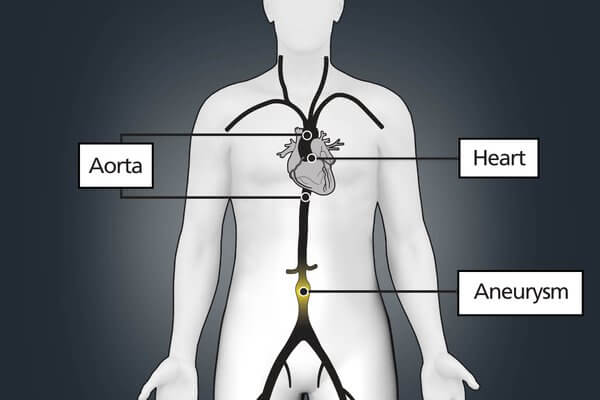
The aorta is the body’s largest artery, running from the heart through the chest and abdomen. An aneurysm is a section that has widened, like a weak spot in a hose that has stretched. When this happens in the chest, it is called a thoracic aortic aneurysm. It most often affects the part of the aorta closest to the heart.
Who Is At Risk?
The main risk factors include:
- High blood pressure, especially over many years.
- Increasing age and smoking.
- Inherited conditions such as Marfan syndrome, Loeys-Dietz syndrome and some other connective tissue disorders.
- A family history of aortic aneurysm or aortic dissection.
Some valve conditions present from birth, which can be associated with widening of the aorta.
Does It Cause Symptoms?
Usually not. A large aneurysm may occasionally press on nearby structures, causing chest or back pain, hoarseness, cough or difficulty swallowing. But most are found on an echocardiogram, chest X-ray, or CT or MRI scan done for something else.
How Is An Aneurysm Monitored?
Small aneurysms are usually watched rather than treated. Regular scans, often every one to two years, measure the diameter and check how quickly it is growing. Controlling blood pressure is one of the most important steps, and doctors may recommend specific medicines to reduce stress on the aortic wall. Stopping smoking is essential.
The choice of scan depends on where the aneurysm is. An echocardiogram shows the part of the aorta nearest the heart well, while CT or MRI gives a complete picture of the whole chest aorta and is used to plan any surgery.
People with an aneurysm are often advised to avoid very heavy lifting and straining, such as maximal weightlifting, which sharply raises blood pressure. Moderate activity, like walking, is generally encouraged. Close family members may be offered screening, particularly if a genetic cause is suspected.
When Is Surgery Needed?
Surgery is usually considered when the aneurysm reaches about 5.5 cm in diameter, or earlier if it is growing quickly, causes symptoms or occurs in someone with a genetic condition, where the threshold is often lower. Because each case differs, decisions are made by cardiologists and cardiac surgeons together.
What Does Treatment Involve?
For aneurysms close to the heart, the usual treatment is open surgery, in which the widened section is replaced with a synthetic tube called a graft. If the aortic valve is also affected, it may be repaired or replaced at the same time. For aneurysms further down the chest, a stent graft placed from inside the artery through the groin may be an option.
Planned surgery carries far lower risk than emergency surgery after a tear, which is why monitoring and timely treatment matter so much.
The Emergency Warning Signs
Sudden, severe chest or back pain, often described as tearing or ripping, can signal an aortic dissection, a tear in the artery wall. Call 998 immediately. This is a life-threatening emergency.
Questions To Ask
How large is my aneurysm and how fast is it growing? How often should it be scanned? At what size would you recommend surgery, and is my family at risk?
Choosing A Specialist Team
When comparing options for a top cardiology hospital in Dubai, patients with an aneurysm should look for reliable imaging, close follow-up and access to cardiac surgeons experienced in aortic procedures, so the timing of any operation can be planned rather than rushed.
Where Can Aortic Aneurysms Be Assessed in Dubai?
Aster Hospital Dubai has five healthcare facilities, with cardiologists at Aster Hospital Mankhool, Aster Hospital Al Qusais, Aster Hospital Muhaisnah and Aster Hospital Jebel Ali and a Day Surgery Centre in Mankhool. With more than 300 beds, over 200 doctors and more than 35 specialities, its cardiology department brings together cardiac imaging and a cardiac surgery service for patients who may need open heart surgery in Dubai.
An aneurysm found early is an opportunity. With regular monitoring and good blood pressure control, many people live for years before treatment is needed, if it is needed at all.

- Aortic Aneurysm in the Chest: The Silent Swelling and When It Needs Surgery - November 26, 2026
- Ismail Kouami: The Dubai Entrepreneur Building Companies Across Fintech, Mobility and Software - September 13, 2026
- 7 Costly Mistakes Entrepreneurs Make Before Hiring Company Setup Consultants in Dubai - September 5, 2026