Al Quoz Dubai Area Guide: Culture, Living, Attractions, and Local Insights (2026)
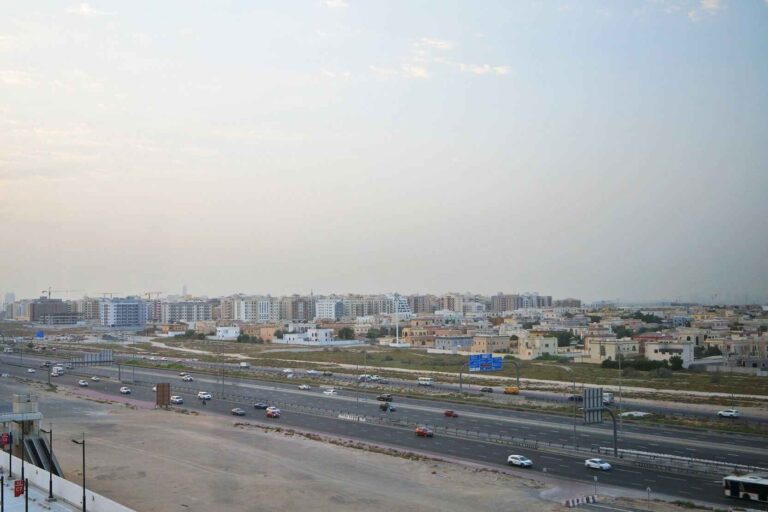
Al Quoz Dubai is one of the city’s most complex and misunderstood districts. At first glance, it appears industrial and utilitarian, defined by warehouses, workshops, and wide service roads. Look closer, however, and Al Quoz reveals itself as a deeply layered urban area where industry, residential life, creativity, and culture coexist. In 2026, Al Quoz stands out as a district in transition—shaped by its manufacturing roots, yet increasingly defined by contemporary art, independent cafés, mixed-use development, and strategic urban planning.
Positioned between Sheikh Zayed Road (E11) and Al Khail Road (E44), Al Quoz occupies a central-western location in Dubai that makes it exceptionally accessible. Its proximity to Business Bay, Downtown Dubai, Al Barsha, Jumeirah, and Dubai Marina places it firmly within the city’s core urban network. This location, combined with relatively affordable rents and flexible zoning, has turned Al Quoz into a magnet for creatives, small businesses, families seeking value, and residents who prefer a more authentic, less polished version of Dubai.
Understanding Al Quoz: Layout, Identity, and Evolution
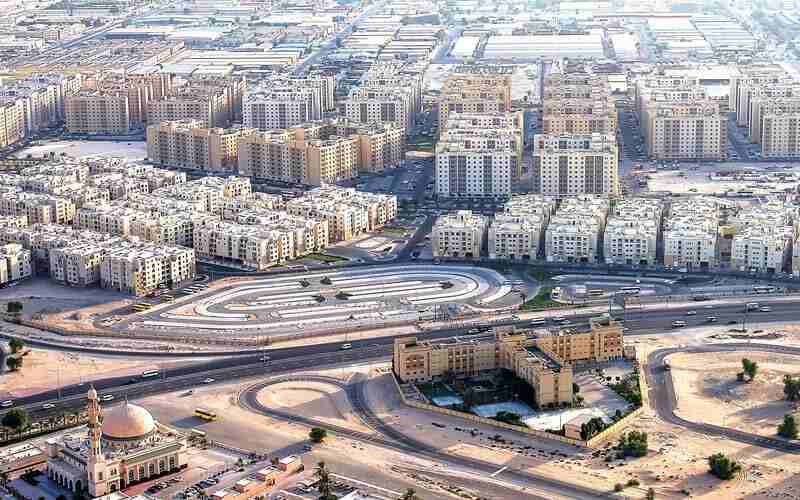
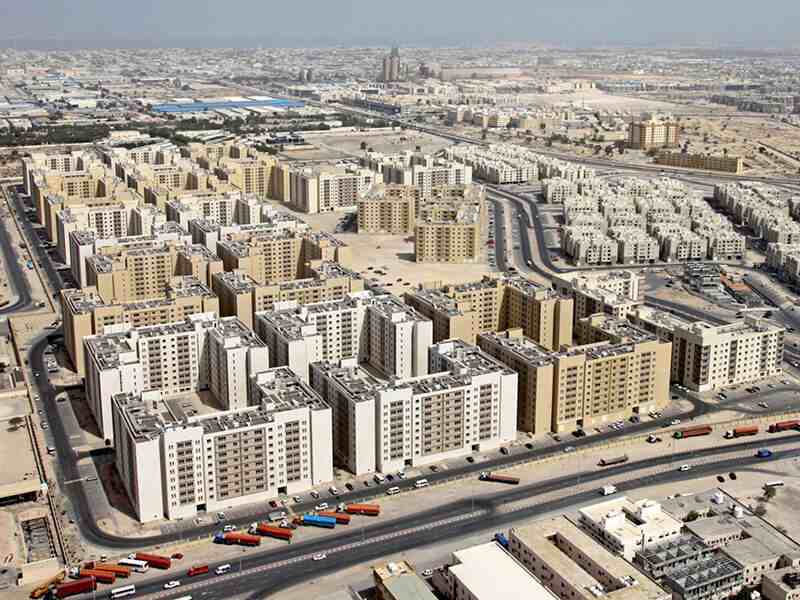
Al Quoz is best understood as a mixed-use district divided into two broad identities: residential neighborhoods in the north and east, and industrial zones in the south and west. Residential Al Quoz includes Al Quoz 1, Al Quoz 2 (officially renamed Ghadeer Al Tair in 2024), and Al Quoz 4. These areas feature villa pockets, low-rise apartment buildings, and emerging residential developments. They are particularly popular with Emirati families and long-term expatriates who value centrality over luxury branding.
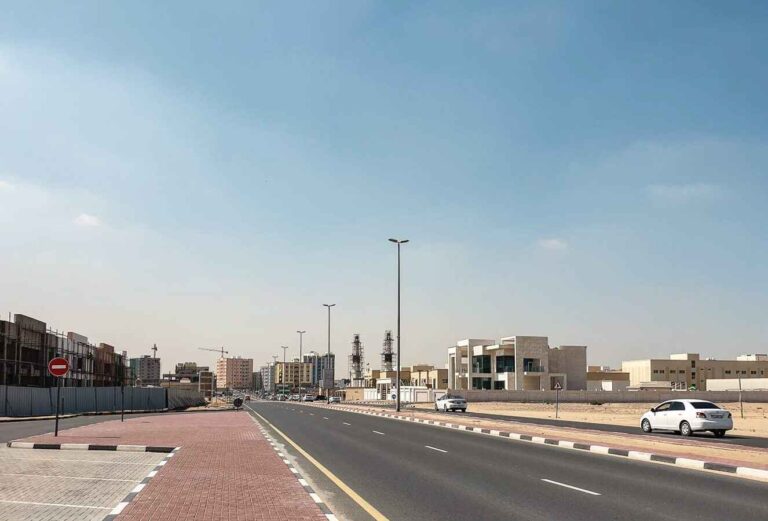
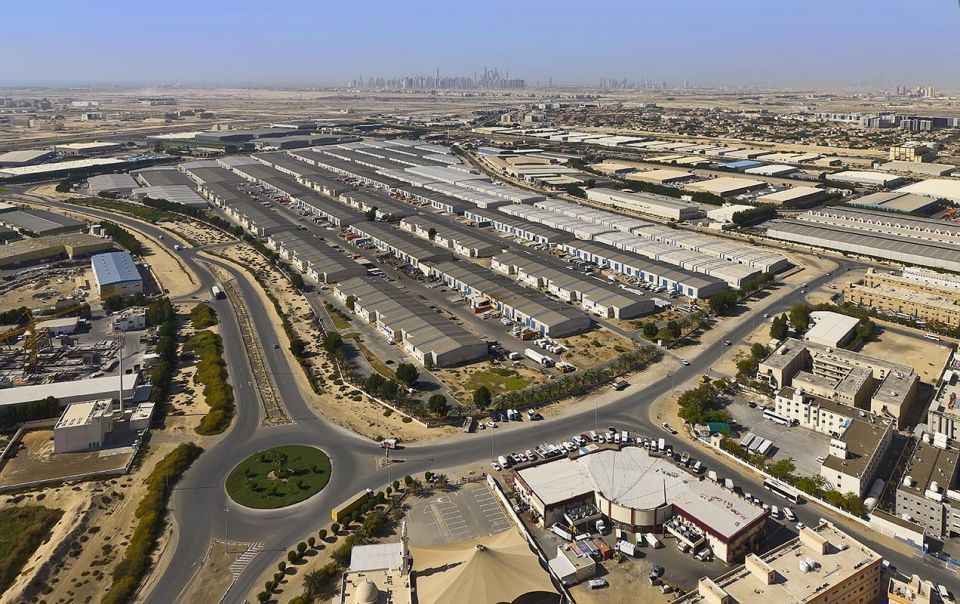
The industrial side of Al Quoz consists of Al Quoz Industrial Areas 1 through 4. These zones are among Dubai’s oldest commercial and manufacturing hubs, housing logistics companies, carpentry workshops, auto garages, textile units, warehouses, and labor accommodations. Rather than being pushed out, many of these industrial spaces have been gradually repurposed or integrated into Dubai’s creative economy, resulting in a rare urban blend that feels organic rather than master-planned.
Over the last decade, this evolution has accelerated. Warehouses once used for storage and fabrication now host art galleries, film studios, performance venues, and concept cafés. This adaptive reuse is central to Al Quoz’s identity and distinguishes it from newer, purpose-built districts elsewhere in Dubai.
Al Quoz as Dubai’s Creative and Cultural Heart
The transformation of Al Quoz into a cultural destination is inextricably linked to Alserkal Avenue. Widely regarded as the epicenter of Dubai’s contemporary art scene, Alserkal Avenue spans more than 500,000 square feet of converted warehouses dedicated to art, design, film, fashion, and community engagement. It is home to leading regional and international galleries, experimental exhibition spaces, design studios, and cultural institutions.
Cinema Akil, the UAE’s first independent cinema, anchors Alserkal Avenue’s reputation as a hub for alternative and arthouse film. Regular exhibitions, artist talks, workshops, book launches, and pop-up markets ensure that the area remains active year-round. Alserkal Avenue has also played a crucial role in positioning Al Quoz as an internationally recognized creative district, comparable to warehouse art zones in cities like Berlin or London.
Beyond Alserkal Avenue, The Courtyard offers a quieter, more intimate creative environment. Designed in the 1990s by architect Dariush Zandi, The Courtyard connects multiple buildings through a central open space inspired by Gulf architecture. It houses boutique galleries, artisan shops, cafés, and The Junction theatre, which supports independent performing arts and emerging talent.
Cultural events, such as Al Quoz Arts Fest, further reinforce the district’s role as a community-driven cultural space, attracting residents and visitors who seek experiences beyond malls and beachfront attractions.
Lifestyle, Cafés, and Things to Do in Al Quoz
Al Quoz has developed a reputation for its independent café culture and experiential attractions. Artisanal coffee roasters, bakeries, and casual eateries are scattered throughout the district, often hidden inside industrial buildings. Well-known names such as Tom & Serg, Nightjar Coffee, Cassette, Boston Lane, and the Mirzam Chocolate Factory have become destinations in their own right, drawing freelancers, entrepreneurs, and visitors from across the city.
Family-oriented attractions also play a role in Al Quoz’s appeal. OliOli, Dubai’s experiential children’s museum, offers interactive learning through play. Bounce Dubai and other indoor activity centers provide recreational options for all ages, while concepts like The Smash Room cater to stress-relief entertainment.
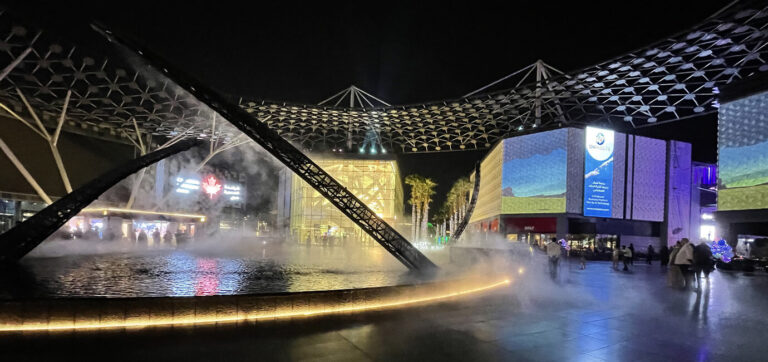
For shopping and daily needs, Al Quoz Mall and Oasis Centre serve as practical retail hubs, offering supermarkets, pharmacies, clinics, cinemas, mosques, and casual dining. Larger malls such as Mall of the Emirates, Times Square Center, and City Walk are a short drive away, reinforcing Al Quoz’s convenience despite its industrial appearance.
Living in Al Quoz: Housing, Community, and Cost of Living
Living in Al Quoz Dubai appeals to residents who prioritize location, value, and character over luxury branding. Residential options range from studio apartments to family-sized flats and villas, particularly in Al Quoz 1 and Al Quoz 4. Developments such as Al Khail Heights and villa pockets in Al Quoz 4 offer quieter environments, while newer apartment buildings introduce amenities like gyms, pools, and landscaped courtyards.
Rents in Al Quoz remain more affordable than in nearby prime areas such as Downtown Dubai, Business Bay, or Jumeirah, although prices have risen steadily due to increased demand. The district is especially popular with mid-income professionals, creatives, and business owners who work nearby and value reduced commute times.
The community itself is diverse and pragmatic. Residents include Emirati families, South Asian professionals, artists, freelancers, and blue-collar workers. This diversity gives Al Quoz a grounded, local feel that contrasts with Dubai’s more curated residential districts.
Transport, Accessibility, and Parking
One of Al Quoz’s strongest advantages is connectivity. Sheikh Zayed Road and Al Khail Road run parallel to the district, allowing residents and visitors to reach Downtown Dubai, DIFC, Dubai Marina, or Jumeirah within 10 to 15 minutes by car. This central positioning makes Al Quoz particularly attractive for commuters.
Public transport access is improving. The Onpassive Metro Station (formerly Al Quoz Metro Station) on the Red Line serves the area, although most destinations within Al Quoz require a short taxi or bus ride from the station. Bus routes connect Al Quoz to nearby metro stations such as Equiti and Noor Bank, making public transport viable for daily commuting.
Parking is generally easier than in high-density areas. Residential buildings offer dedicated spaces, villas typically include covered parking, and street parking is available in commercial areas under RTA paid zones. Around cultural hubs like Alserkal Avenue, paid parking is enforced but manageable, especially outside peak event hours.
Education, Healthcare, and Community Services
Al Quoz provides a solid base of essential services. Supermarkets such as Al Madeena, West Zone, and multiple neighborhood groceries support daily living. Clinics including Aster Clinic, Medilife Polyclinic, and City Star Polyclinic handle routine healthcare needs, while major hospitals like Burjeel Hospital for Advanced Surgery and facilities along Sheikh Zayed Road are within a short drive.
Educational options within Al Quoz include Clarion School, which follows a US-based curriculum, and Safa British School. Additional schools, nurseries, and universities are easily accessible in nearby areas such as Al Barsha, Knowledge Park, and Dubai Internet City, including institutions like Middlesex University Dubai and the University of Wollongong Dubai.
Places of worship are well represented, with multiple mosques in Al Quoz and churches, temples, and gurdwaras located within a 15 to 25-minute drive, reflecting Dubai’s multicultural population.
Nearby Areas and Attractions
Al Quoz is bordered by Al Wasl and Umm Suqeim to the north, Al Barsha and Al Manara to the west, and Business Bay to the east. Popular destinations such as Kite Beach, Jumeirah Beach, City Walk, and Downtown Dubai are all within easy reach, making Al Quoz a practical base for both residents and visitors.
Green spaces within Al Quoz include Al Quoz Pond Park, a larger landscaped park with walking paths and birdlife, offering a welcome contrast to the industrial environment. For beach access, Kite Beach is approximately 12 minutes away and remains a favorite for families and fitness enthusiasts.
Common Challenges and Practical Considerations
Despite its many strengths, Al Quoz is not without drawbacks. Industrial activity in certain zones results in noise, heavy vehicle movement, and less visual appeal. Families seeking premium international schools or hospital complexes may find options limited within the district itself. Traffic congestion can occur at peak hours near major junctions, although ongoing infrastructure upgrades aim to address these issues.
Understanding micro-locations within Al Quoz is essential. Residential pockets closer to Al Wasl Road and Al Safa tend to be quieter and more suitable for families, while areas near industrial zones are better suited for businesses or short-term stays.
Why Al Quoz Matters in Dubai’s Urban Future
Al Quoz represents a different narrative of Dubai’s growth. Rather than starting from a blank slate, it evolves through adaptation, reuse, and community-driven development. Its role as a creative free zone, industrial hub, and residential district makes it one of the city’s most resilient and versatile areas.
For travelers, Al Quoz offers insight into Dubai beyond luxury malls and skyscrapers. For residents, it provides access, affordability, and authenticity. For businesses and creatives, it remains one of the few districts where space, flexibility, and cultural energy intersect.
FAQs
Where is Al Quoz located in Dubai?
Al Quoz is located in western Dubai, between Sheikh Zayed Road (E11) and Al Khail Road (E44), close to Business Bay, Al Barsha, Jumeirah, and Downtown Dubai.
Is Al Quoz a residential or industrial area?
Al Quoz is a mixed-use district. It includes residential neighborhoods such as Al Quoz 1, Al Quoz 4, and Ghadeer Al Tair, alongside large industrial zones with warehouses and workshops.
What is Al Quoz best known for?
Al Quoz is best known for Alserkal Avenue, Dubai’s leading contemporary art and culture district, as well as its creative spaces, independent cafés, and repurposed industrial warehouses.
Is Al Quoz a good place to live in Dubai?
Al Quoz is a good option for residents seeking central location, relatively affordable rents, and easy access to major business districts. It suits creatives, professionals, and families who value convenience over luxury branding.
How do I get to Al Quoz by public transport?
The nearest metro station is Onpassive Metro Station on the Red Line. From there, taxis or buses are commonly used to reach different parts of Al Quoz.
Are rents in Al Quoz cheaper than other Dubai areas?
Yes, rents in Al Quoz are generally lower than in areas like Downtown Dubai, Dubai Marina, and Jumeirah, although prices have been rising due to increasing demand and redevelopment.
What are the main attractions in Al Quoz?
Key attractions include Alserkal Avenue, The Courtyard, Cinema Akil, OliOli children’s museum, Bounce Dubai, and a wide range of art galleries and creative studios.
Is Al Quoz suitable for families?
Al Quoz can suit families, especially in quieter residential pockets. However, families often travel to nearby areas such as Al Barsha for premium schools, parks, and larger healthcare facilities.
Does Al Quoz have shopping malls and daily amenities?
Yes, Al Quoz has Al Quoz Mall and Oasis Centre for daily shopping, dining, clinics, and services. Larger malls like Mall of the Emirates are nearby.
Is Al Quoz close to the beach?
Yes, Kite Beach is approximately a 10–12 minute drive from Al Quoz, making beach access convenient for residents and visitors.
Is parking easy in Al Quoz?
Parking is generally easier in Al Quoz than in central districts. Residential buildings offer dedicated parking, and RTA paid street parking is available in commercial and cultural areas.
Why is Al Quoz considered a creative district?
Al Quoz became a creative hub due to the adaptive reuse of warehouses into galleries, studios, cinemas, and performance spaces, attracting artists, designers, and cultural institutions.
Conclusion
Al Quoz Dubai is not polished, uniform, or predictable—and that is precisely its strength. It is a district defined by contrast, creativity, and convenience, offering a rare blend of culture, industry, and everyday life. Whether you are exploring art galleries, considering a place to live, or simply trying to understand Dubai beyond its surface image, Al Quoz provides a richer, more grounded perspective on the city’s past, present, and future.

- Al Rawda 3 Ajman Area Guide: Lifestyle, Property Prices, Schools & Living - March 5, 2026
- Al Warqa 1 Dubai Area Guide – Living, Property, Schools & Lifestyle in UAE - March 4, 2026
- Top 20 Hospitals in Dubai List Guide, UAE - March 3, 2026