
Weather in Dubai | Average Dubai Temperatures: Month-by-Month Guide, UAE
Understanding the weather in Dubai is essential whether you are planning a trip, relocating, or simply researching climate patterns in the UAE. Dubai’s climate is often described as intensely hot, but that simplified view misses important seasonal variations, humidity shifts, and lifestyle implications that shape everyday life throughout the year.
This guide provides a complete, deeply analyzed, and user-focused breakdown of Dubai’s weather patterns, including monthly temperatures, seasonal transitions, rainfall behavior, humidity trends, and practical insights. It is designed to match real user intent—answering not just “how hot is Dubai?” but also “when is the best time to visit?”, “what should I expect month by month?”, and “how can I adapt to the climate?”
By combining all relevant data points and improving upon existing content, this article delivers a comprehensive, authoritative resource that aligns with modern search expectations, AI summaries, and long-term ranking potential.
Climate Overview of Dubai
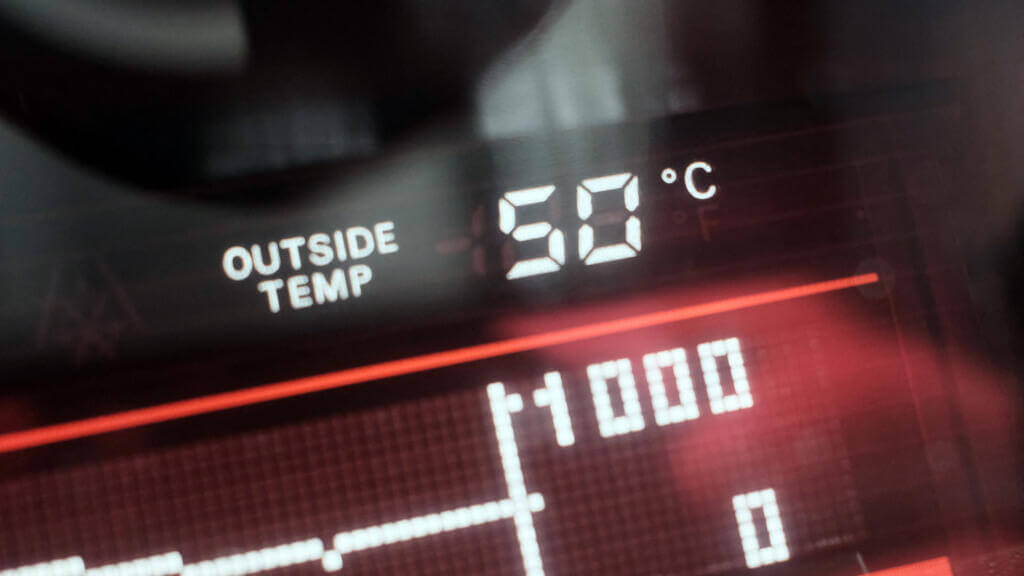
Dubai has a subtropical desert climate, characterized by extremely hot summers, mild winters, minimal rainfall, and abundant sunshine throughout the year. The city experiences clear skies for most months, with occasional cloud cover during winter.
The defining feature of Dubai’s climate is its dual-season pattern: a long, intense summer and a short, pleasant winter. Transitional seasons—spring and autumn—exist but are relatively brief and marked by rapid temperature shifts.
Temperatures vary significantly across the year. Average daytime highs range from around 24°C in winter to 42°C during peak summer, while nighttime temperatures fluctuate between 16°C and 32°C. Humidity is another critical factor, especially during summer months when coastal moisture increases discomfort levels.
Rainfall is rare and typically occurs between December and February. Even then, precipitation is limited to a few days per year. This makes Dubai one of the driest urban environments globally, influencing everything from architecture to daily routines.
Month-by-Month Dubai Temperature Breakdown
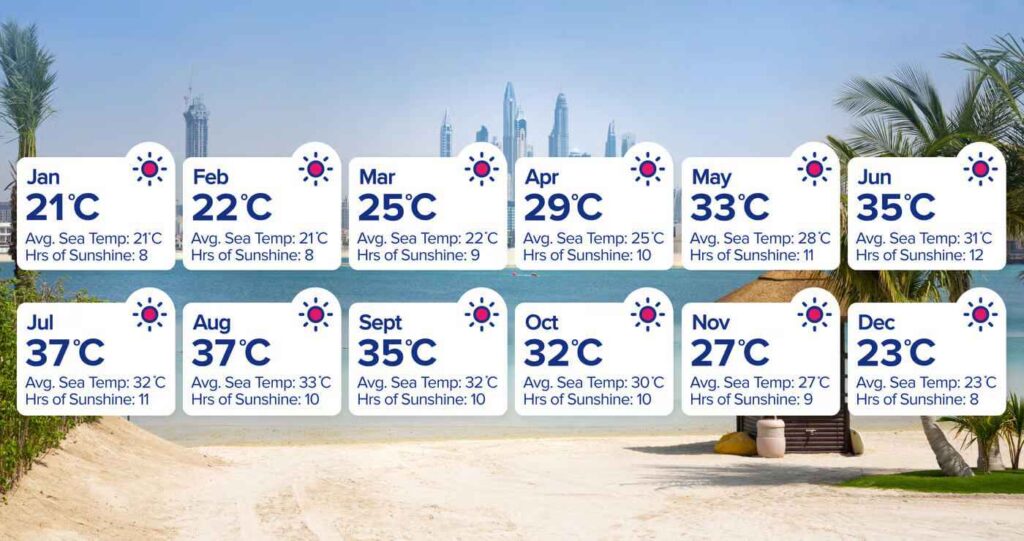
To understand Dubai weather in depth, it is important to examine how temperatures evolve across each month.
January begins the year with mild and comfortable weather. Average highs reach around 24°C, while nights can cool down to approximately 16°C. This is one of the most pleasant months, ideal for outdoor activities.
February continues with similar conditions, slightly warmer during the day at 26°C and 17°C at night. It is also the wettest month, although rainfall remains minimal.
March marks the beginning of the warming trend. Temperatures rise to 29°C during the day and 19°C at night. Occasional winds may bring dust or sandstorms.
April introduces noticeably warmer conditions, with daytime temperatures reaching 34°C and nights averaging 23°C. Outdoor comfort begins to decline during midday.
May signals the transition into summer. Daytime highs climb to 38°C, while nights remain warm at 27°C. Humidity starts increasing gradually.
June brings intense heat, with average highs of 39°C and nighttime temperatures around 30°C. Outdoor exposure becomes challenging during peak hours.
July is one of the hottest months, with temperatures reaching 41°C during the day and staying above 32°C at night. Humidity levels rise significantly, making the heat feel more extreme.
August is typically the hottest month of the year. Average highs reach 42°C, with nights around 31°C. Combined with high humidity, conditions can feel overwhelming.
September begins a slow cooling trend, though it remains very hot. Temperatures average 39°C during the day and 29°C at night.
October offers noticeable relief, with highs dropping to 36°C and nights to 26°C. Outdoor activities become more manageable.
November continues the cooling pattern, with daytime temperatures around 30°C and nights at 23°C. This marks the return of comfortable weather.
December completes the cycle with mild conditions similar to January. Daytime highs average 26°C, while nights cool to around 19°C.
Seasonal Weather Patterns in Dubai
Winter Season (December to February)
Winter in Dubai is short but highly enjoyable. Temperatures are mild, averaging around 23°C during the day and dropping to cooler levels at night. This season is widely considered the most comfortable time of the year.
Rainfall, although limited, occurs primarily during these months. Cloud cover becomes more common, and occasional showers may appear. Despite this, sunshine still dominates most days.
This period is ideal for outdoor exploration, beach visits, and city activities without the extreme heat. It also represents peak tourism season due to favorable conditions.
Spring Season (March to May)
Spring is a transitional phase where temperatures rise steadily. Early spring remains pleasant, but by May, conditions become significantly hotter.
Dust storms can occur during this period due to shifting wind patterns. Humidity remains moderate initially but starts increasing toward late spring.
This season requires gradual adaptation, as the weather shifts quickly from comfortable to hot. It is still suitable for outdoor activities during mornings and evenings.
Summer Season (June to September)
Summer is the defining feature of Dubai’s climate. Temperatures consistently exceed 40°C during the day, and nights remain warm, rarely dropping below 30°C.
Humidity becomes a major factor, especially in coastal areas. Combined heat and moisture create a high heat index, making outdoor exposure challenging.
Rainfall is virtually nonexistent during this period. Despite the extreme conditions, daily life continues through heavy reliance on air conditioning and indoor environments.
Sea temperatures rise significantly, often reaching around 30°C, making the water feel warm rather than refreshing.
Autumn Season (October to November)
Autumn marks a gradual return to more comfortable conditions. Temperatures begin to decrease, and humidity levels stabilize.
October can still be hot, but November introduces much more pleasant weather. This transition period is ideal for resuming outdoor activities and planning travel.
The shift from intense summer heat to milder temperatures is noticeable and welcomed by residents and visitors alike.
Rainfall and Humidity Trends
Dubai receives very limited rainfall throughout the year, averaging only a few days of rain annually. Most precipitation occurs during winter, particularly in February.
Humidity levels vary significantly depending on the season. During winter, humidity remains relatively moderate, contributing to overall comfort. In contrast, summer months experience high humidity, often exceeding 80–90%, especially near coastal areas.
This combination of heat and humidity is what makes Dubai’s summer feel more intense than dry desert climates. Understanding this distinction is essential for accurate expectations.
Best Time to Visit Dubai Based on Weather
The best time to visit Dubai depends largely on individual preferences, but weather plays a central role in decision-making.
For most travelers, the ideal period falls between December and February. During these months, temperatures are mild, outdoor conditions are comfortable, and the overall climate is enjoyable.
March and November also offer good conditions, especially for those seeking slightly warmer weather without extreme heat.
Summer months, while less popular due to high temperatures, may appeal to budget travelers or those focused on indoor experiences such as shopping and entertainment.
Common Weather-Related Challenges and Practical Solutions
One of the most common challenges in Dubai is coping with extreme summer heat. Prolonged exposure can lead to discomfort, dehydration, or heat-related health issues. The most effective solution is to plan outdoor activities during early morning or late evening hours.
Another issue is high humidity, which can make temperatures feel significantly hotter. Wearing breathable clothing and staying hydrated are essential strategies.
Dust storms, particularly in spring, can reduce visibility and affect air quality. Staying indoors during severe conditions and using protective measures can minimize the impact.
Sudden temperature shifts between indoor air-conditioned spaces and outdoor heat can also cause discomfort. Gradual adaptation and appropriate clothing layers can help manage this contrast.
Expert Tips and Best Practices
Understanding the rhythm of Dubai’s climate allows for better planning and adaptation. Timing is crucial—whether scheduling activities, travel, or daily routines.
Hydration is one of the most important practices year-round, especially during summer. Lightweight, breathable fabrics are recommended to improve comfort.
Monitoring weather forecasts is useful during transitional seasons when conditions can change quickly. Awareness of humidity levels is just as important as tracking temperature.
For visitors, aligning travel plans with seasonal weather patterns enhances the overall experience. For residents, adapting lifestyle habits to climate conditions improves long-term comfort and well-being.
Key Benefits of Understanding Dubai Weather
A clear understanding of Dubai’s weather provides multiple advantages. It allows travelers to plan trips more effectively, ensuring optimal experiences without climate-related disruptions.
It also helps residents adjust their daily routines, improving comfort and productivity. From choosing the right clothing to scheduling outdoor activities, weather awareness plays a significant role.
For businesses and content creators, accurate climate information enhances relevance, credibility, and user trust. It also supports better decision-making across various sectors, including tourism, real estate, and lifestyle planning.
FAQs
How hot does it get in Dubai during summer?
Summer temperatures often exceed 40°C, with peak months reaching around 42°C. Combined with high humidity, it can feel even hotter.
What is the coldest month in Dubai?
January is typically the coldest month, with average temperatures ranging between 16°C and 24°C.
Does it rain in Dubai?
Rainfall is minimal and occurs mainly during winter months, especially in February.
Is Dubai weather humid or dry?
Dubai is generally dry, but summer months experience high humidity, particularly in coastal areas.
Does it ever snow in Dubai?
No, snowfall does not occur in Dubai due to its desert climate.
What are the hottest months in Dubai?
July and August are usually the hottest months, with extreme temperatures and high humidity levels.
Conclusion
Dubai’s weather is defined by extremes and contrasts—a city where scorching summers meet pleasantly mild winters, and where sunshine dominates nearly every day of the year. Understanding its climate is not just about knowing temperatures; it involves recognizing seasonal transitions, humidity patterns, and practical lifestyle adjustments.
This guide brings together all critical insights into a single, cohesive resource, offering a complete and improved version of existing information available online. Whether you are planning a visit, relocating, or conducting research, this comprehensive overview ensures you have everything needed to make informed decisions.
By aligning climate knowledge with real-world application, you can fully experience what Dubai has to offer-at the right time, in the right way.