Burj Khalifa is Losing Its Crown as the World’s Tallest Building Guide, UAE
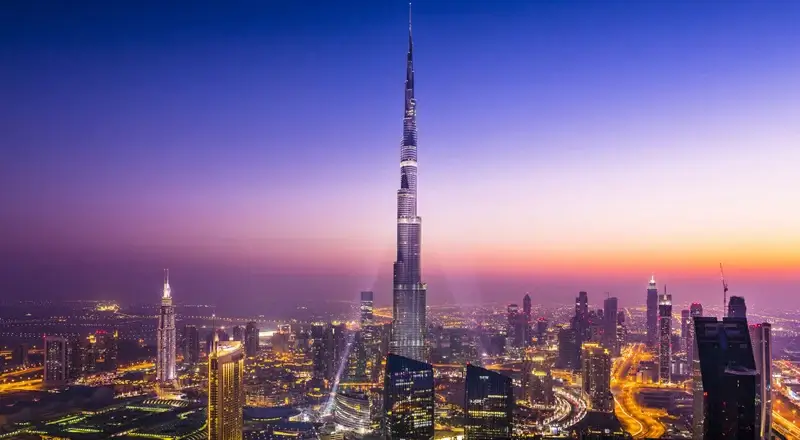
For over a decade, the Burj Khalifa has stood as a global symbol of architectural ambition, engineering mastery, and economic vision. Towering above Dubai’s skyline at 828 metres, it has not only defined the city’s identity but also set a benchmark that seemed nearly impossible to surpass. However, the narrative is now shifting. The world’s tallest building is no longer guaranteed to remain at the top, as new mega-structure projects in Saudi Arabia are rapidly redefining what is achievable in vertical construction.
This evolving landscape is more than just a competition of height. It reflects a broader transformation in urban planning, regional development strategies, and future city concepts. As projects like the Jeddah Economic Tower and the proposed Rise Tower gain traction, the global skyscraper hierarchy is poised for a major reshuffle. For readers, investors, and urban enthusiasts, understanding this transition is essential to grasp the future of architecture and megacity development in the Middle East.
World’s tallest building Burj Khalifa may lose its crown soon Overview
The potential shift in the title of “world’s tallest building” is not happening overnight. It is the result of years of planning, technological innovation, and large-scale economic investment. The Burj Khalifa itself took years to conceptualize and build, and similarly, the new contenders are part of long-term national visions aimed at economic diversification and global positioning.
Two major developments are currently at the center of this transformation. The first is the Jeddah Tower, a project that has been in development for over a decade and is now gaining renewed momentum. The second is the Rise Tower in Riyadh, a futuristic concept that aims to push boundaries even further, potentially reaching an unprecedented height of two kilometres.
These projects are not standalone structures. They are integrated into broader master plans that include mixed-use developments, smart city infrastructure, and high-value real estate ecosystems. This signals a shift from isolated skyscrapers to fully integrated vertical cities designed to accommodate living, working, and leisure within a single environment.
Step-by-Step Explanation of the Shift in Tallest Building Rankings
The process through which Burj Khalifa may lose its crown involves several stages, each driven by construction progress, feasibility, and project execution timelines.
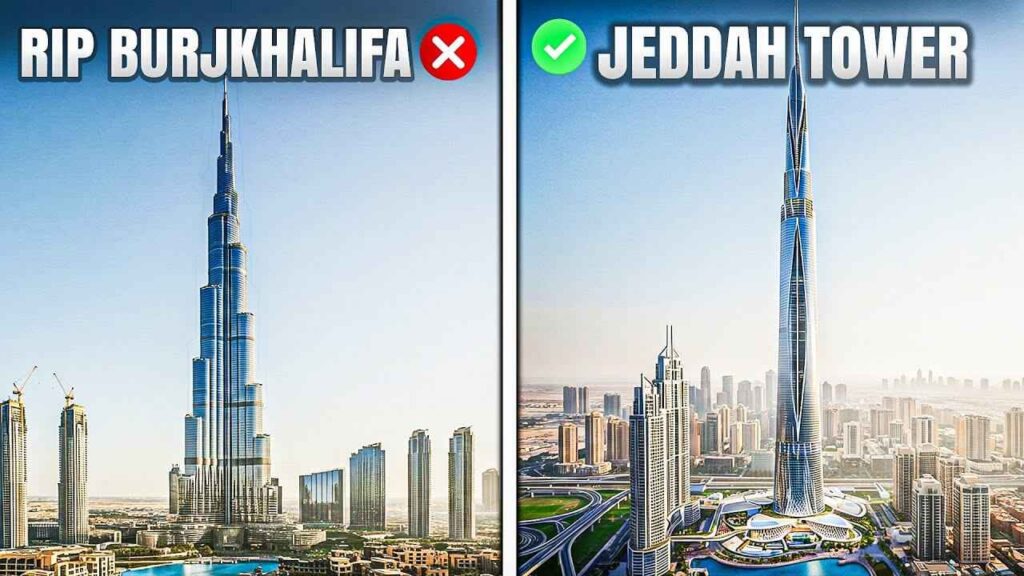
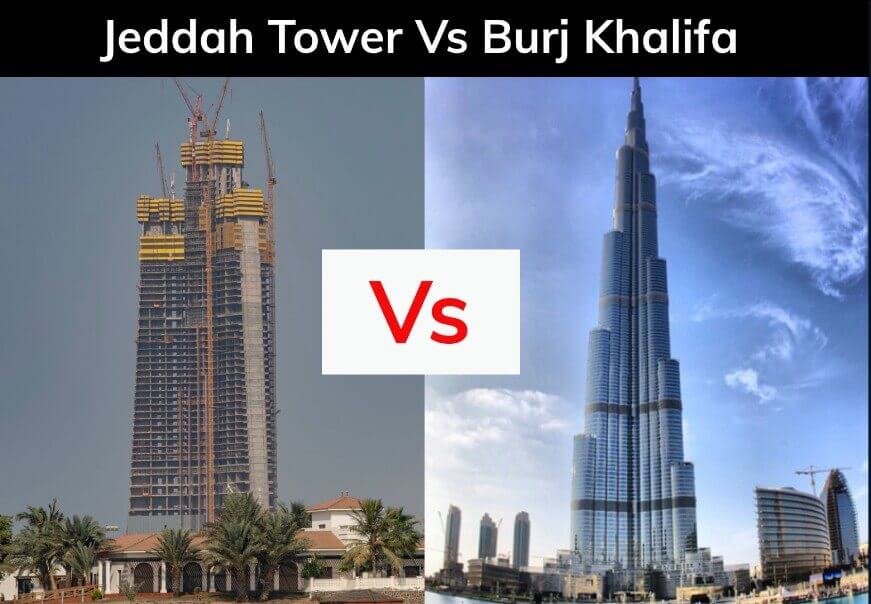
The first stage is the advancement of the Jeddah Economic Tower. After years of delays, construction resumed with renewed commitment and funding. As of early 2026, the structure has surpassed 370 metres and continues to rise steadily. The construction cycle has become more efficient, with rapid floor completion supported by a large workforce and advanced engineering techniques. This indicates a strong likelihood that the tower will exceed the 1,000-metre threshold, officially surpassing the Burj Khalifa.
The second stage involves the completion timeline. The Jeddah Tower is expected to be completed around 2028, giving the Burj Khalifa a limited window to retain its title. Once completed, the shift in rankings will be immediate, as height remains the primary metric for classification in skyscraper records.
The third stage is the emergence of the Rise Tower concept. Although still in the design phase, this project represents a significant leap in ambition. Planned to reach approximately two kilometres, it would not just surpass existing records but redefine them entirely. The inclusion of hundreds of floors, luxury hospitality, commercial spaces, and observation decks suggests a vertical city model rather than a traditional skyscraper.
Finally, there is the possibility of competitive responses from other regions. Reports indicate that new “super tower” concepts may emerge in Dubai and elsewhere, highlighting an ongoing global race for architectural dominance.
The Rise of Jeddah Economic Tower
The Jeddah Economic Tower is the most immediate challenger to the Burj Khalifa’s title. Designed to exceed one kilometre in height, it represents a milestone in engineering and construction. Unlike conceptual projects, this tower is actively under construction and has demonstrated tangible progress.
One of the defining features of this project is its mixed-use design. It will include luxury residential units, commercial offices, hospitality spaces, and a high-end hotel. The integration of these elements creates a self-contained ecosystem that aligns with modern urban development trends. Additionally, the tower will feature an observation deck offering panoramic views of the Red Sea, enhancing its appeal as a global tourist destination.
The project has faced multiple delays in the past, largely due to financial and logistical challenges. However, recent developments indicate a renewed commitment, with funding secured through internal resources and banking facilities. Infrastructure development in the surrounding area has already been completed, ensuring that essential utilities and connectivity will support the tower.
Another noteworthy aspect is the involvement of the same architectural expertise that contributed to the Burj Khalifa. This continuity in design philosophy and technical knowledge increases confidence in the project’s successful completion.
The Vision Behind Rise Tower
While the Jeddah tower is closer to reality, the Rise Tower represents a futuristic vision that could redefine skyscraper design. Planned as part of a massive “city of the future” development, this project aims to reach an extraordinary height of two kilometres.
The scale of this project goes beyond conventional architecture. With plans for hundreds of floors, luxury hotels, fine dining establishments, observation decks, and premium office spaces, it is designed to function as a vertical metropolis. The integration of these features within a single structure reflects a shift towards hyper-dense urban environments.
The Rise Tower is also part of a larger masterplan covering hundreds of square kilometres. This indicates a strategic approach to urban expansion, where the tower serves as a central landmark within a broader ecosystem. The concept aligns with global trends in smart cities, sustainability, and high-density living.
However, it is important to note that the project is still in the planning stage. Factors such as feasibility, cost, and engineering challenges will play a crucial role in determining whether it can be realized as envisioned. Despite these uncertainties, the project highlights the growing ambition in the region’s architectural landscape.
Common Problems and Practical Solutions
Large-scale skyscraper projects often encounter a range of challenges that can impact timelines and feasibility. Understanding these issues provides valuable insight into why such projects take years, or even decades, to complete.
One of the most common problems is financial sustainability. Mega-projects require billions in investment, and fluctuations in economic conditions can lead to delays or redesigns. The solution lies in diversified funding strategies, including partnerships, phased development, and strong financial planning.
Another challenge is engineering complexity. Building structures that exceed one kilometre in height involves unprecedented technical demands, including wind resistance, structural stability, and advanced materials. Continuous innovation in construction technology and collaboration with global experts are essential to overcoming these challenges.
Logistical coordination is also a critical factor. Managing thousands of workers, materials, and timelines requires precise planning and execution. Modern project management tools and digital technologies play a key role in ensuring efficiency and minimizing delays.
Finally, environmental and sustainability concerns must be addressed. High-rise buildings consume significant resources, and integrating energy-efficient systems is crucial for long-term viability. Solutions include smart building technologies, renewable energy integration, and sustainable design practices.
Expert Tips and Best Practices
From an industry perspective, the race to build the world’s tallest structure is not just about height but about delivering long-term value. Developers and planners must focus on creating functional, sustainable, and economically viable structures.
One important best practice is to prioritize mixed-use development. Combining residential, commercial, and hospitality elements ensures continuous occupancy and revenue generation. This approach also enhances the building’s appeal to a diverse range of users.
Another key insight is the importance of location and connectivity. Skyscrapers thrive when they are integrated into well-developed urban environments with access to transportation, infrastructure, and amenities. This enhances both usability and investment potential.
Innovation in materials and construction methods is also critical. Advanced techniques such as modular construction, high-performance concrete, and smart building systems can significantly improve efficiency and durability.
Lastly, maintaining a strong brand identity is essential. Iconic buildings serve as symbols of national ambition and attract global attention. Strategic marketing and positioning can enhance their impact and ensure long-term success.
Key Benefits of the New Skyscraper Era
The emergence of new record-breaking towers offers several benefits that extend beyond architectural achievement. These projects contribute to economic growth by attracting investment, tourism, and global attention.
They also drive innovation in engineering and construction. The challenges associated with building taller structures lead to the development of new technologies and methodologies that can be applied across the industry.
From an urban perspective, these towers support high-density living, which is increasingly important in rapidly growing cities. By integrating multiple functions within a single structure, they optimize land use and reduce urban sprawl.
Additionally, such projects enhance regional competitiveness. Cities that host iconic landmarks gain a strategic advantage in attracting businesses, talent, and international events.
FAQs
Will Burj Khalifa lose its title soon?
Yes, it is likely to lose its title once the Jeddah Economic Tower is completed, which is expected around 2028.
How tall will the Jeddah Economic Tower be?
It is planned to exceed 1,000 metres, making it taller than the Burj Khalifa.
What is the Rise Tower project?
It is a proposed mega-structure in Riyadh that could reach up to two kilometres in height, although it is still in the planning stage.
Why do countries build taller skyscrapers?
They serve as symbols of economic power, innovation, and global influence while also supporting urban development and tourism.
Is Dubai planning another record-breaking tower?
There are reports suggesting new super tower concepts, but no confirmed project has surpassed current proposals.
Conclusion
The era of the Burj Khalifa as the undisputed tallest building in the world is approaching a turning point. While it remains an iconic achievement in architecture and engineering, new developments in Saudi Arabia are set to redefine the limits of vertical construction. The Jeddah Economic Tower is on track to surpass it within the next few years, while the Rise Tower introduces an even more ambitious vision for the future.
This transition is not just about breaking records. It reflects a broader shift in how cities are designed, how economies are diversified, and how nations position themselves on the global stage. For observers, investors, and industry professionals, this is a moment of transformation that offers valuable insights into the future of urban development.
The final content presented here integrates and enhances all available information, delivering a comprehensive, user-focused, and authoritative perspective that aligns with current search intent and evolving trends. It stands as a complete and improved resource for understanding the future of the world’s tallest buildings.