Al Sabkha Deira Dubai Area Guide, UAE
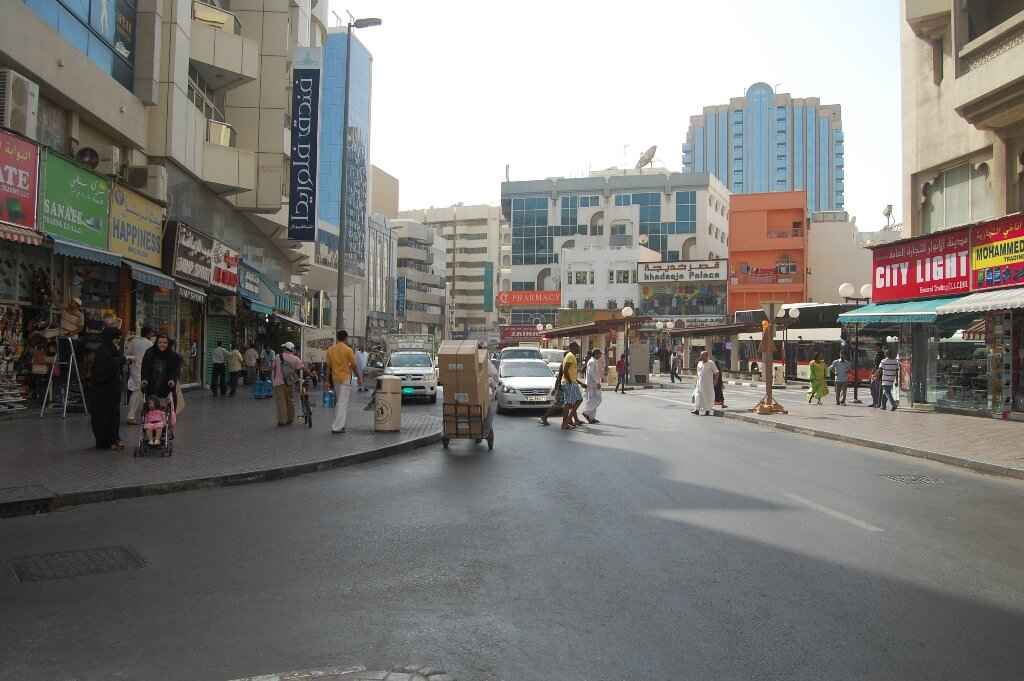
Al Sabkha is one of the oldest and most commercially active districts in Deira, representing the traditional trading heart of Dubai. Located along the eastern bank of Dubai Creek, this compact yet intensely vibrant neighbourhood captures the essence of Old Dubai. Unlike the city’s modern skyscraper districts, Al Sabkha is defined by narrow lanes, mid-rise buildings, wholesale markets, and a constant flow of traders, shoppers, and visitors from across the world.
For anyone researching Al Sabkha-whether for living, investing, shopping, cultural exploration, or short-term stays—this guide provides a complete, structured, and authoritative overview. It merges commercial insights, lifestyle factors, transport connectivity, cultural relevance, and real-world practicality into one comprehensive resource designed to answer every major search intent: informational, navigational, and commercial.
Al Sabkha: Location, Character and Identity
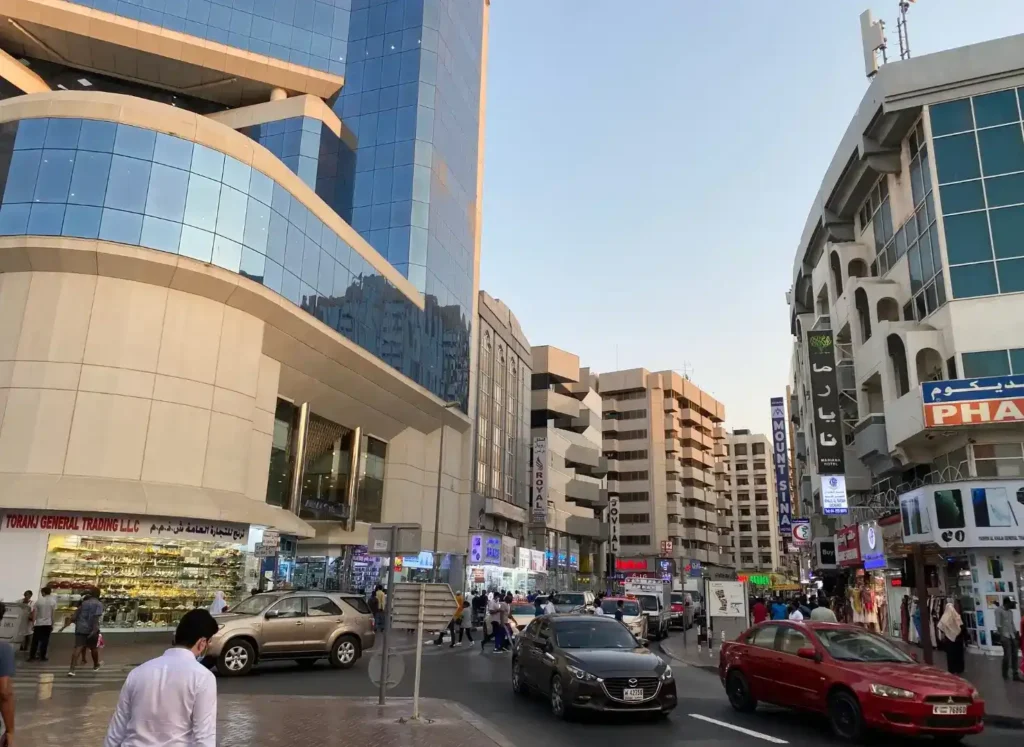
Al Sabkha sits in the core of Deira, bordered by Naif, Al Murar, Al Rigga, and Al Dhagaya, and directly connected to the waterfront of Dubai Creek. Despite its small geographic size, it plays a disproportionately large economic role. The district functions as a dense commercial hub where wholesale trading, retail souks, hospitality, and residential units coexist within a compact urban grid.
The atmosphere is energetic and highly pedestrian-oriented. Streets are lined with textile shops, gold retailers, perfume merchants, electronics traders, luggage shops, grocery stores, cafeterias, and money exchange shops. It is multicultural in composition, with strong South Asian, Arab, and African business communities contributing to its commercial vitality.
Unlike master-planned modern developments, Al Sabkha evolved organically as part of Dubai’s historic trading ecosystem. That authenticity is precisely what draws traders, bargain shoppers, photographers, and cultural explorers. The skyline views across Dubai Creek add another visual dimension, blending traditional dhow activity with the city’s contemporary growth.
Traditional Souks and Commercial Significance
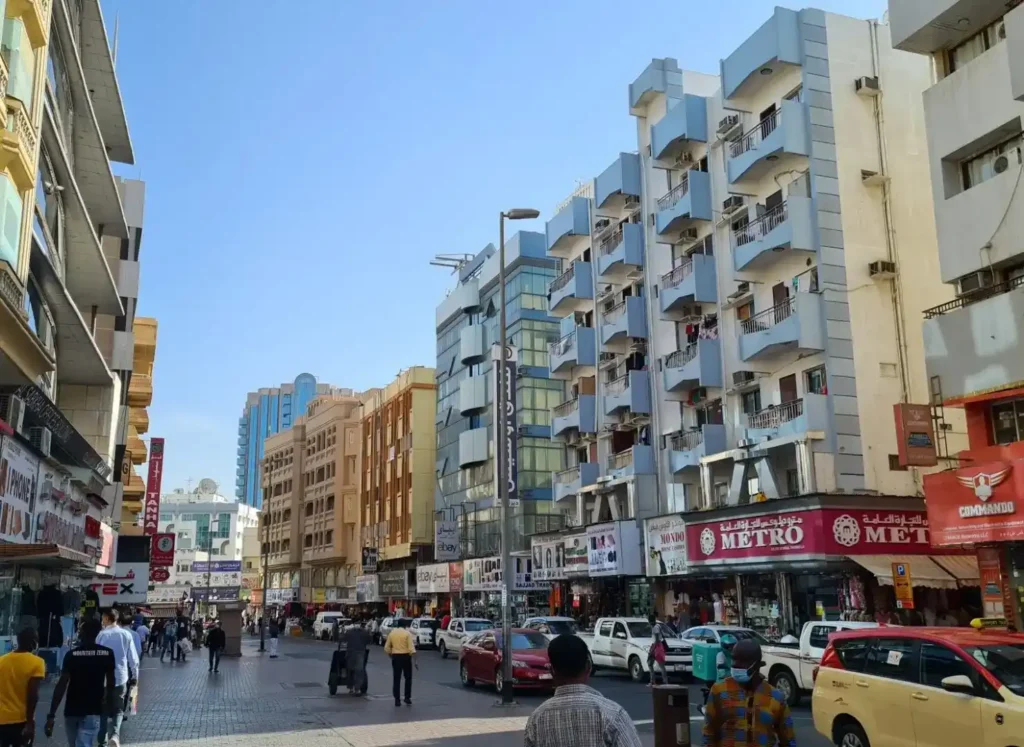
Al Sabkha’s identity is inseparable from its souks and wholesale markets. The district is central to Dubai’s reputation as a global trading hub.
Deira Gold Souk
One of the most recognized attractions in the area is the world-famous Dubai Gold Souk. This marketplace features hundreds of jewellery retailers offering 18k to 24k gold, diamond pieces, precious gemstones, bridal sets, and custom designs. It is a cornerstone of Dubai’s “City of Gold” identity.
The Gold Souk is not only a tourist attraction but also a regulated trading zone where price transparency is linked to international gold rates. Haggling is typically done on making charges rather than on the gold price itself. For investors, wholesalers, and retail buyers, it remains one of the most competitive jewellery markets in the region.
Spice, Perfume and Textile Markets
A short walk from the Gold Souk brings you to the aromatic corridors of the Dubai Spice Souk. Here, sacks of saffron, cinnamon, dried rosebuds, cardamom, frankincense, and regional teas create a sensory experience rooted in centuries of trade.
Equally distinctive is the Perfume Souk, where traditional oud, bakhoor, and concentrated Arabic perfume oils dominate. Many shops offer custom-blended fragrances tailored to personal preferences, making it both a retail and experiential destination.
Murshid Bazaar and Naif Souk complement this ecosystem with wholesale textiles, garments, fabrics, electronics, and accessories. Traders regularly load goods for regional export, maintaining Al Sabkha’s relevance in cross-border commerce.
Cultural Landmarks and Heritage Experience
Although Al Sabkha is heavily commercial, it also preserves cultural institutions that reflect the UAE’s social evolution.
One of the most meaningful cultural spaces in the area is the Women’s Museum – Bait Al Banat. This museum highlights the historical contributions of Emirati women across literature, education, public service, and cultural development. It offers context that balances the district’s trade-heavy image with intellectual and social heritage.
Walking along Dubai Creek offers additional cultural immersion. Traditional wooden abras transport passengers across the water, while dhow wharfage areas still load cargo manually. The combination of maritime history and urban commerce creates a layered heritage experience that cannot be replicated in modern districts.
Transportation and Connectivity
Al Sabkha is one of the most accessible parts of Old Dubai. Its connectivity is a major factor behind its sustained economic relevance.
Metro Access
The district is served primarily by Baniyas Square Metro Station on the Green Line. It is also within walking distance of Al Ras Metro Station. These stations connect residents and visitors to key nodes across Deira and Bur Dubai.
Marine Transport
The Al Sabkha Marine Transport Station provides traditional abra crossings across Dubai Creek. This affordable water transport option is not only practical but also culturally iconic.
Buses, Taxis and Parking
The Al Sabkha Bus Station functions as a busy RTA hub with routes extending across the city. Taxis are widely available at all times.
Parking remains one of the more challenging aspects due to high density. While many properties offer designated spots, public parking fills quickly during peak commercial hours. Recently developed parking facilities have improved capacity, but traffic congestion during rush hours remains a consideration.
Residential Profile and Real Estate
Al Sabkha is primarily a mixed-use district rather than a purely residential community. Buildings typically feature retail units on ground floors and apartments or offices above.
Rental prices are comparatively affordable relative to newer districts in Dubai. This affordability attracts small business owners, traders, employees in the nearby commercial sector, and budget-conscious residents. However, most buildings are older mid-rise constructions, meaning luxury amenities are limited.
For investors, the area’s value lies in commercial yield rather than lifestyle luxury. Retail and wholesale units benefit from heavy foot traffic, while residential units appeal to tenants seeking centrality over aesthetics.
Hotels and Accommodation
Al Sabkha is known for budget-friendly lodging rather than luxury hospitality. Numerous small hotels and guesthouses cater to traders and short-stay visitors.
For example, Mercure Dubai Deira offers modern mid-range amenities near the Gold Souk, including a pool and fitness facilities. Meanwhile, Galaxy Star Hotel represents a typical budget option valued for central location and affordability.
Visitors seeking luxury resorts generally prefer newer districts, but those prioritizing proximity to souks and public transport often find Al Sabkha strategically ideal.
Schools, Healthcare and Daily Essentials
Despite its commercial focus, Al Sabkha is well-supported by essential services.
Nearby schools include institutions such as GEMS Westminster School, Deira International School, and Dubai International School. These schools offer British, IB, and international curricula, making the wider Deira area family-supportive.
Healthcare facilities include Aster Clinic and NMC Deira, among others. Major hospitals are reachable within minutes by car or metro.
Supermarkets, groceries, pharmacies, and money exchange centres are located on nearly every block, ensuring convenience for daily living.
Shopping, Dining and Lifestyle
While traditional souks dominate, modern shopping centres are easily accessible. Al Ghurair Centre and Deira City Centre are both a short ride away, offering global retail brands and entertainment facilities.
The dining scene is diverse and affordable. Streets are lined with South Asian curry houses, Arabic grills, shawarma outlets, and casual cafeterias serving tea and snacks late into the night. For more upscale experiences, restaurants near Dubai Creek provide waterfront dining options.
Nightlife in Deira is modest compared to Downtown or Marina, but lounge venues and hotel bars cater to residents seeking evening entertainment.
Beaches and Outdoor Recreation
Although Al Sabkha is not beachfront, several popular beaches are accessible by car.
Al Mamzar Beach Park is a preferred destination for families, offering green spaces, running tracks, and shaded picnic areas. Jumeirah Public Beach provides a more central coastline experience with dining and water activities.
Within Deira itself, walking along Dubai Creek during sunset remains one of the most authentic leisure experiences available in the city.
Common Challenges and Practical Solutions
The most common concerns about Al Sabkha relate to congestion, parking, and building age. Streets can be narrow and heavily crowded during peak trading hours. Traffic density increases during weekends and evenings.
To navigate efficiently, visitors should rely on metro access and walking routes rather than private vehicles. Residents needing extra parking may consider nearby private parking facilities. For those sensitive to noise, selecting upper-floor apartments away from main commercial arteries can significantly improve living comfort.
Expert Insights and Best Practices
If you are visiting for shopping, late afternoon to evening offers the most vibrant atmosphere. However, serious wholesale buyers may prefer morning hours for focused negotiation.
For gold purchases, verify daily gold rates and request invoice documentation. In perfume markets, compare multiple shops before finalizing custom blends. When exploring textile or electronics markets, bulk purchases often secure better pricing margins.
From a real estate perspective, commercial investors should prioritise units with direct street frontage and high pedestrian visibility, as these command stronger rental yields.
Key Benefits of Al Sabkha
The district offers unmatched authenticity within Dubai’s urban fabric. It combines affordability, connectivity, heritage, and commercial opportunity in a way that few areas can replicate.
Residents benefit from low rental costs and immediate access to transport. Traders benefit from footfall and supply chain proximity. Visitors benefit from cultural immersion that contrasts sharply with modern mall culture.
For those seeking “real Dubai” rather than curated luxury environments, Al Sabkha remains a compelling destination.
FAQs
Is Al Sabkha a good place to live?
It is suitable for budget-conscious residents and traders who prioritise location and affordability over modern amenities.
How do I reach Al Sabkha from Dubai Airport?
Take the Green Line metro toward Baniyas Square Station or use a taxi for a direct 15–20 minute drive depending on traffic.
What is Al Sabkha known for?
It is best known for traditional souks, gold trading, wholesale textiles, and its proximity to Dubai Creek.
Are there budget hotels in Al Sabkha?
Yes, the area offers multiple budget and mid-range hotels catering primarily to business visitors and traders.
Is parking difficult in Al Sabkha?
Parking can be limited during peak hours, but public and private options are available nearby.
Conclusion
Al Sabkha in Deira is more than just a historic district—it is a living trading ecosystem that reflects Dubai’s commercial roots. Its dense souks, waterfront proximity, affordable living options, and unmatched connectivity make it one of the most strategically significant neighbourhoods in Old Dubai.
While it may not offer the polished aesthetic of newer developments, it compensates with authenticity, accessibility, and economic vitality. Whether you are a visitor seeking cultural immersion, a trader exploring wholesale markets, or a resident looking for central affordability, Al Sabkha delivers a uniquely grounded Dubai experience.