Hessa Street Upgrade: Complete 2026 Guide to Dubai’s Major Road Development
The Hessa Street upgrade marks one of the most significant urban road infrastructure improvements in Dubai in recent years. As of January 2026, Phase I of the project has officially opened, transforming a historically congested east–west corridor into a wider, safer, and more efficient route that supports Dubai’s rapid population growth and evolving mobility needs.
Designed and delivered by Dubai’s Roads and Transport Authority (RTA), the Dhs690 million Hessa Street development project directly addresses long-standing traffic bottlenecks affecting key residential and commercial districts, including Al Barsha, Jumeirah Village Circle (JVC), Al Sufouh, and Barsha Heights. With surrounding communities projected to exceed 640,000 residents by 2030, the upgrade plays a critical role in Dubai’s long-term transport master plan.
Overview of the Hessa Street Development Project
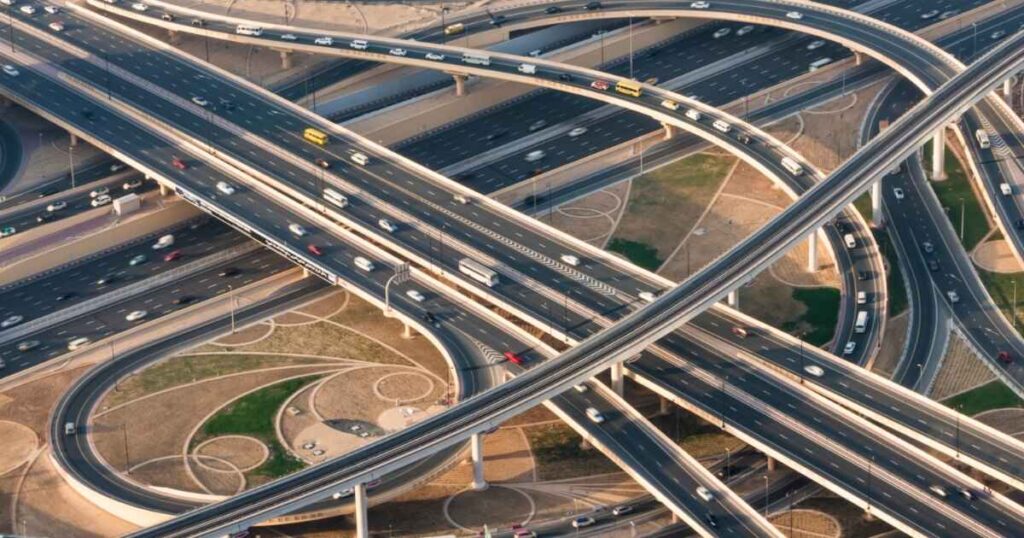
Hessa Street is a vital arterial road connecting Sheikh Zayed Road (E11) to Al Khail Road (E44), serving thousands of daily commuters travelling between Dubai Marina, JLT, Dubai Internet City, Dubai Hills, and inland residential communities.
The upgrade project focuses on three core objectives:
- Doubling road capacity to ease peak-hour congestion
- Improving intersection efficiency through new bridges and ramps
- Enhancing multimodal mobility, including cycling, e-scooters, and pedestrian access
Phase I, which opened on January 11, 2026, represents the most traffic-intensive segment of the corridor and delivers immediate, measurable benefits to motorists.
What Has Been Completed So Far (Phase I)
Road Widening and Capacity Expansion
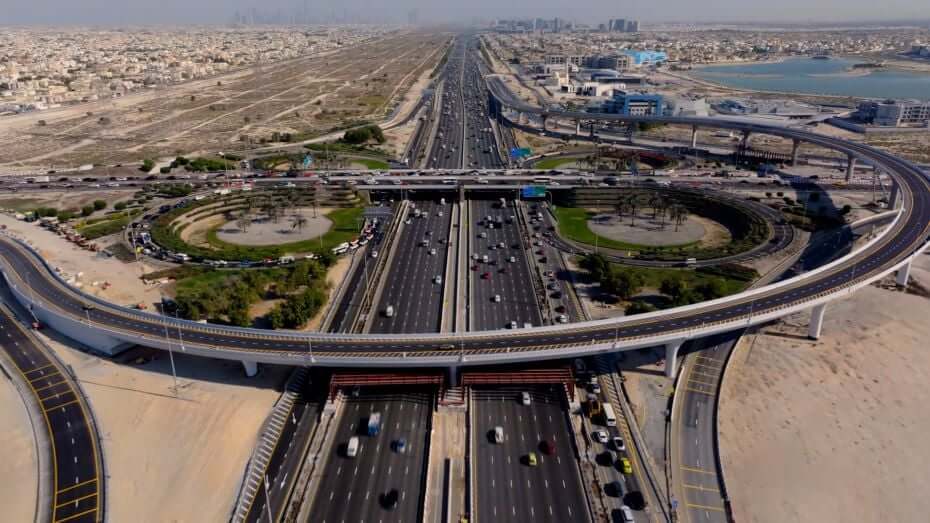
The completed Phase I covers a 4.5-kilometre stretch between Sheikh Zayed Road and Al Khail Road. Along this section, Hessa Street has been widened from two lanes to four lanes in each direction, effectively doubling its traffic handling capacity.
As a result, the corridor can now accommodate up to 16,000 vehicles per hour in both directions, compared to approximately 8,000 vehicles previously. This upgrade alone significantly reduces queuing, lane weaving, and stop-start traffic during morning and evening rush hours.
Major Intersection and Bridge Upgrades
Several critical intersections along Hessa Street have been structurally redesigned to eliminate bottlenecks:
At Sheikh Zayed Road, a new two-lane directional ramp bridge has been constructed to serve right-turning traffic. The bridge passes over the Dubai Metro Red Line, allowing smoother vehicle movement without interfering with metro operations.
At First Al Khail Street, the existing bridge has been widened from three to four lanes in each direction, improving capacity for vehicles entering and exiting nearby residential and business zones.
At Al Asayel Street, the bridge has been expanded from two to four lanes in each direction, addressing one of the most congestion-prone junctions on the corridor.
At Al Khail Road, a direct two-lane ramp towards Sharjah was completed earlier and now integrates seamlessly with the upgraded Hessa Street layout.
Together, these improvements eliminate conflict points, reduce signal dependency, and ensure uninterrupted traffic flow across key intersections.
Ongoing and Upcoming Works (Final Phase – 2026)
Although Phase I is operational, the overall Hessa Street upgrade project is approximately 90% complete, with final works scheduled for completion in the second quarter of 2026.
Cycling and E-Scooter Infrastructure
One of the most forward-looking elements of the project is the 13.5-kilometre dedicated cycling and e-scooter track, designed to support Dubai’s active mobility strategy.
The track, measuring approximately 4.5 metres in width, will connect Al Sufouh to Dubai Hills via Al Barsha and Barsha Heights, offering a safe, continuous route for cyclists and micromobility users.
Dedicated bridges are being constructed as part of this network, including crossings over Sheikh Zayed Road and Al Khail Road. Each bridge is designed with separate lanes for cyclists, e-scooters, and pedestrians, enhancing safety and accessibility.
Pedestrian Connectivity and Metro Access
The upgraded cycling and pedestrian infrastructure will also provide direct access to key public transport hubs, including Dubai Internet City Metro Station. This integration supports last-mile connectivity and encourages a shift away from private car dependency for short journeys.
Practical Impact on Drivers and Residents
For daily commuters, the impact of the Hessa Street upgrade is already noticeable. Traffic flow between Sheikh Zayed Road and Al Khail Road is significantly smoother, particularly during peak hours, thanks to additional lanes and grade-separated intersections.
Residents of Al Barsha, JVC, Al Sufouh 2, and Barsha Heights benefit from shorter journey times, reduced congestion and noise, and improved road safety. The elimination of previous choke points also lowers accident risk and improves emergency response access.
While some localized works and temporary diversions may continue during final construction stages in 2026, these are expected to be limited and clearly signposted by the RTA.
Common Questions and Real User Concerns
Many users searching for Hessa Street upgrade updates are looking for clarity on timelines, access changes, and long-term benefits.
A common concern is whether further disruptions are expected. While minor finishing works remain, the most disruptive construction activities are already complete, and no full closures are anticipated.
Another frequent question relates to public transport impact. The project has been carefully coordinated with Dubai Metro operations, ensuring uninterrupted service on the Red Line and improved feeder access once cycling and pedestrian links are finalized.
Expert Insights and Best Practices for Commuters
Drivers using Hessa Street regularly should familiarize themselves with the new lane configurations and directional ramps, particularly near Sheikh Zayed Road, where traffic movements have changed.
For residents in nearby communities, combining the upgraded road network with metro stations, feeder buses, and cycling routes can significantly reduce daily travel stress and costs.
From a city-planning perspective, the Hessa Street upgrade sets a benchmark for future Dubai road projects by balancing vehicle capacity expansion with sustainable mobility infrastructure.
Key Benefits of the Hessa Street Upgrade
The project delivers clear, user-centric benefits that extend beyond traffic flow. Reduced congestion leads to lower fuel consumption, shorter commute times, and improved air quality. Enhanced cycling and pedestrian facilities support healthier lifestyles and align with Dubai’s sustainability goals.
Most importantly, the upgrade future-proofs the corridor for anticipated population growth, ensuring that surrounding districts remain accessible, attractive, and economically viable.
FAQs
Is Hessa Street fully open now?
Phase I between Sheikh Zayed Road and Al Khail Road is open. Final works will conclude in 2026.
How many lanes does Hessa Street have after the upgrade?
The upgraded section now has four lanes in each direction.
Will there be cycling tracks on Hessa Street?
Yes, a 13.5 km dedicated cycling and e-scooter track is being completed.
Does the project affect Dubai Metro services?
No, metro operations continue normally, with improved access once works finish.
Which areas benefit most from the upgrade?
Al Barsha, JVC, Al Sufouh, Barsha Heights, and nearby business districts.
Conclusion
The Hessa Street upgrade represents a strategic investment in Dubai’s transport infrastructure, delivering immediate congestion relief while supporting long-term urban growth. With Phase I already open and final enhancements nearing completion in 2026, the project significantly improves mobility, safety, and quality of life for hundreds of thousands of residents and commuters.
By integrating road expansion with cycling, pedestrian, and metro connectivity, the Hessa Street development stands as a model for balanced, future-ready infrastructure in the UAE.

- Ismail Kouami: The Dubai Entrepreneur Building Companies Across Fintech, Mobility and Software - September 13, 2026
- 7 Costly Mistakes Entrepreneurs Make Before Hiring Company Setup Consultants in Dubai - September 5, 2026
- How Monthly Car Hire Simplifies Transportation During Home Relocations - July 27, 2026