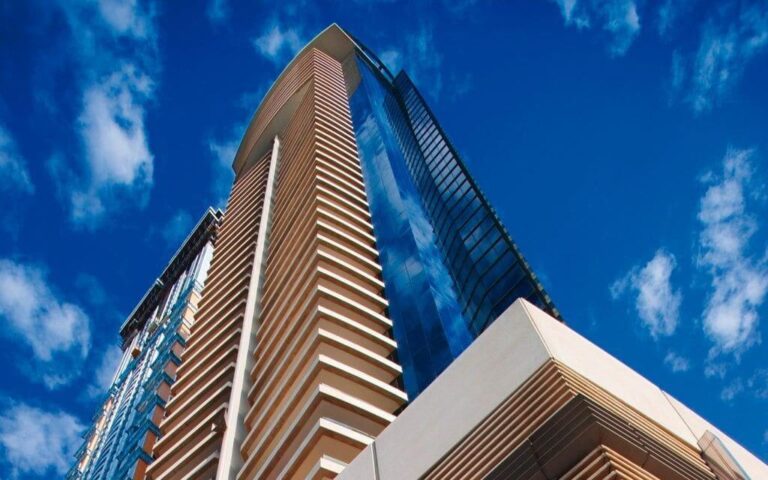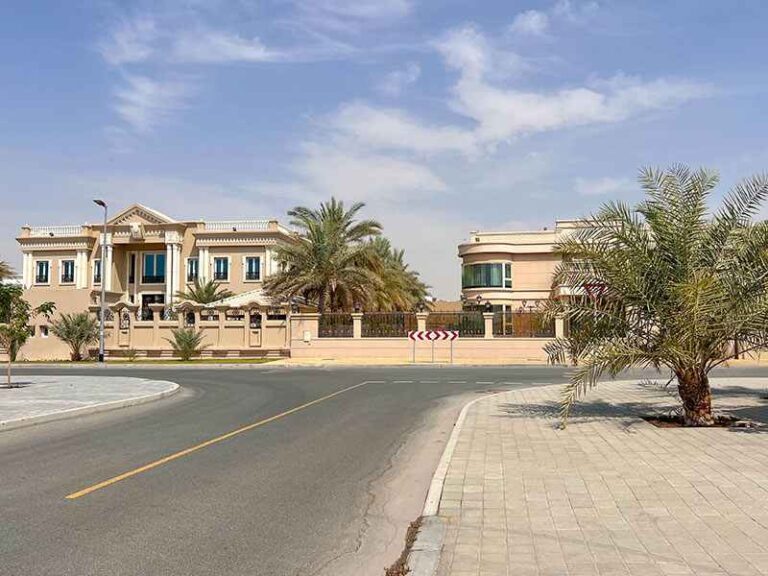
Emirates City Ajman Area Guide 2026: Towers, Prices, and What It’s Really Like to Live There
If you’ve spent any time browsing property portals for affordable UAE living, you’ve almost certainly come across Emirates City. It shows up constantly in searches for cheap apartments near Dubai, freehold flats in Ajman, and budget-friendly investment properties — and for good reason. This is one of the largest single residential developments in the Northern Emirates, and it has become something of a gateway community for people who want proximity to Dubai and Sharjah without the price tag that comes with living inside either city.
But “affordable” doesn’t tell the whole story, and neither do the glossy listing photos. Emirates City is a sprawling, still-evolving mega-community with dozens of towers of varying quality, a construction timeline that has stretched over more than a decade, and a lifestyle that suits some people far better than others. This guide walks through the location, the developer, the individual towers, realistic rental and purchase prices, the amenities actually available on the ground, and an honest look at the pros and cons — the kind of detail you’d want from a friend who already lives there, not just a listings page.
Where Is Emirates City Ajman, Exactly?
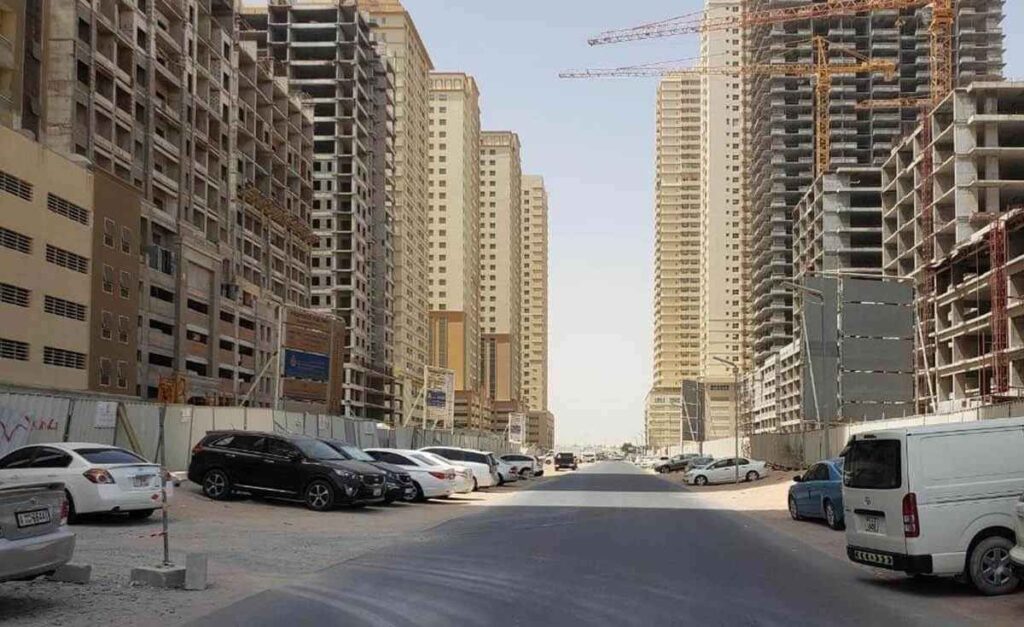
Emirates City sits in Al Amerah, an eastern district of Ajman, running directly alongside Sheikh Mohammed Bin Zayed Road (E311) — one of the UAE’s principal north-south highways. The development is a flagship project by R Holding, spanning roughly 5 million square feet of land in the eastern Ajman neighborhood of Al Amerah.
This highway-adjacent position is central to understanding why the community exists at all. Because Sheikh Mohammed Bin Zayed Road is one of the arterial roads of the emirate, being next to it connects the development well to other cities including Ras Al Khaimah, Umm Al Quwain, Sharjah, Dubai, and Abu Dhabi. In practice, this means a resident working in Sharjah’s industrial or media zones, or commuting into Dubai via the E311 or E611, can reach their workplace without threading through central Ajman traffic at all.
To the west, separated by the same road, Emirates City is closely neighboured by the community of Al Aaliah. Other nearby residential pockets include Al Jurf, Al Rashidiya, and Al Nuaimiya, giving residents a wider radius of shops, schools, and services beyond the development’s own boundaries.
Distance to Key Destinations
| Destination | Approximate Drive Time |
|---|---|
| Dubai International Airport | ~25 minutes |
| Sharjah International Airport | ~15–20 minutes |
| Ajman City Centre Mall | ~15–17 minutes |
| Ajman Corniche | ~20 minutes |
| Ajman Free Zone | ~5 minutes |
| Sharjah city centre | ~15–20 minutes |
Who Developed Emirates City, and What’s the Backstory?
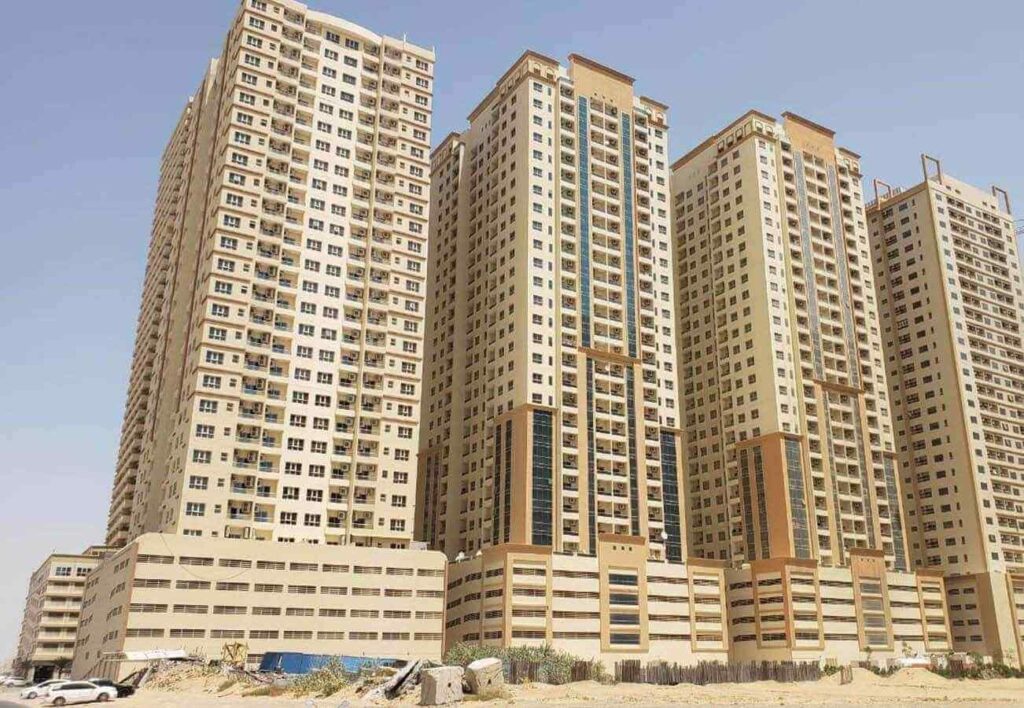
Emirates City Ajman is a master-planned residential and commercial development created by R Holding, an established UAE real estate group, spanning approximately 5 million square feet in Al Amerah. The project was conceived during Ajman’s early-2000s development boom, with the ambition of building a self-contained, high-density residential city rather than a single tower or a modest low-rise community.
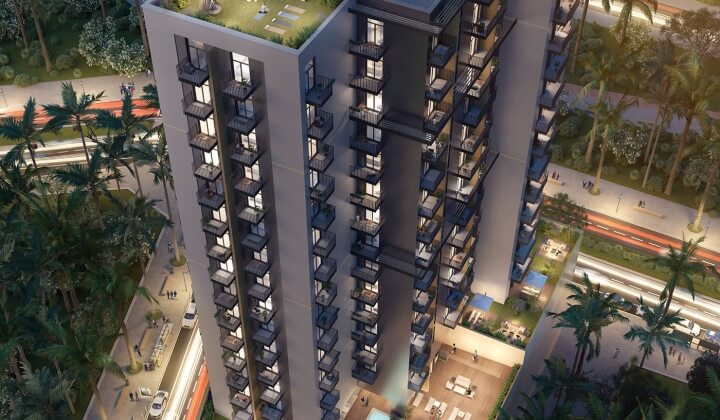
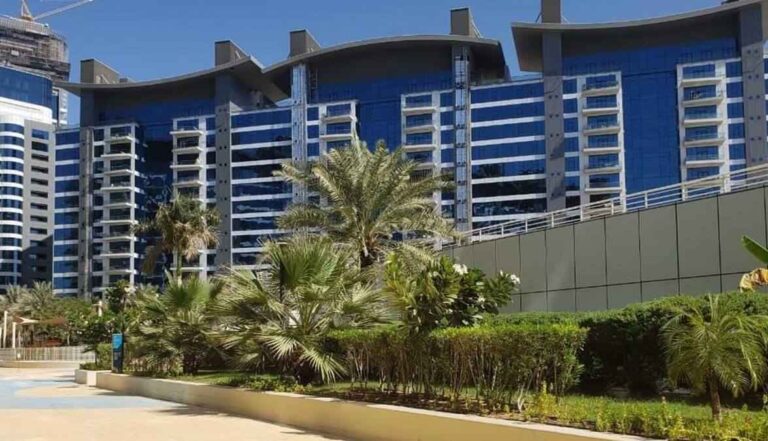
That ambition explains both the scale of the project and some of its ongoing growing pains. Ninety-two apartment buildings have been constructed as part of the development, ranging from twenty to sixty floors each. Construction phases have rolled out over many years rather than as one coordinated launch, which is why some clusters of Emirates City feel like a finished, functioning neighborhood while others still show visible signs of ongoing building work. Ongoing construction activity in parts of the community is one of the most commonly cited drawbacks by current residents, though this is expected to ease as the remaining phases are completed.
Importantly for buyers, this is a freehold zone. As a freehold area, properties in Emirates City Ajman are available for legal ownership by expatriates. This single fact is arguably the biggest driver of the community’s popularity – it is one of the few places in the UAE where a non-GCC national can buy an apartment outright, with full title, at prices dramatically below Dubai or even Sharjah’s freehold zones.
The Major Towers and Residential Clusters
Emirates City isn’t one building — it’s a collection of distinct tower clusters, each managed separately and each with its own reputation for build quality, maintenance standards, and amenities. Knowing the individual towers matters more here than in most communities, because quality varies significantly from one building to the next.
Lilies Tower
Lilies Tower is one of the most recognized addresses within the community, housing a range of studio, one-bedroom, and two-bedroom apartments, with a handful of dining options at its base. It’s frequently cited as one of the better-maintained buildings in the development and tends to command slightly higher rents as a result.
Lavender Tower
Lavender Tower is another popular building in the community, featuring one- and two-bedroom apartments. Like Lilies Tower, it benefits from a reputation for reasonably consistent building management.
Goldcrest Dream Towers
Goldcrest Dream Towers is a high-rise residential development offering apartments with modern amenities, developed by Goldcrest Properties, a well-known real estate developer in the UAE. This cluster is one of the more established sub-communities within Emirates City and typically appears prominently in rental searches.
Ajman Towers
Ajman Towers is a collection of high-rise buildings offering apartments for both sale and rent, positioned to give residents quick access to Dubai and other emirates via Sheikh Mohammed Bin Zayed Road.
Lake Tower, M.R. Tower, and Paradise Lakes
Lake Tower, M.R. Tower, and Paradise Lakes round out the community’s main residential clusters, with each offering studio to four-bedroom configurations, most featuring balconies, built-in kitchen cabinetry, and open-plan living areas.
Corniche Towers and Conqueror Towers
Corniche Towers and Conqueror Towers are among the area’s more recently developed and popular projects. These newer clusters tend to offer more modern finishes and are often marketed at a modest premium over older buildings in the development.
A practical note: because quality genuinely varies by tower — not just by unit — a physical inspection before signing a lease or making an offer is strongly advisable. Some towers are significantly better maintained than others, and an in-person visit lets you compare build quality, parking availability, and proximity to the community’s more active zones before committing.
Emirates City Ajman Rental Prices in 2026
Emirates City’s core appeal is affordability, and the numbers back that up clearly when compared with Sharjah or Dubai. Based on current listing data:
Bayut listings show apartment rents in Emirates City ranging from a minimum of AED 20,000 to a maximum of AED 90,000 annually, with an average of around AED 35,975 per year across all unit types. A separate area-guide estimate breaks this down further by unit size:
| Unit Type | Estimated Annual Rent (AED) |
|---|---|
| Studio | 16,000 – 22,000 |
| 1 Bedroom | 22,000 – 32,000 |
| 2 Bedroom | 32,000 – 45,000 |
| 3–4 Bedroom | Typically 45,000 – 70,000+ (varies significantly by tower and finish) |
Real listings on the ground echo these ranges closely. Sample asking rents pulled from active listings include one-bedroom units in Lake Tower and Lilies Tower priced around AED 22,000–23,000 per year, and two-bedroom units around AED 32,000 annually, with building-specific factors like closed versus open kitchens, allocated parking, and floor level shifting the price within each band.
For comparison, a similarly sized studio in central Sharjah or a budget Dubai suburb can easily run 30–50% higher, which is precisely why Emirates City continues to attract tenants who work in those cities but choose to live in Ajman.
Sale Prices
For buyers, Emirates City represents one of the most accessible entry points into UAE property ownership, with purchase prices remaining competitive compared to neighboring Sharjah and well below Dubai’s market. Off-plan or newer-phase units are sometimes priced at a slight premium in anticipation of infrastructure improvements still to come, but even at that premium, entry prices remain well below comparable freehold stock elsewhere in the UAE – a major reason the community continues to attract first-time overseas buyers and small-scale investors chasing rental yield.
Amenities and Daily Life
Emirates City was designed as a largely self-contained residential city, and on the ground, that shows up in a reasonably dense spread of everyday conveniences, even if it isn’t a “lifestyle destination” in the way Dubai Marina or Downtown Dubai are.
Retail and dining. The community includes a selection of retail and service outlets at street level, with clusters of residential buildings surrounded by essential amenities that make daily life convenient for residents. Most towers have at least a small supermarket, pharmacy, and a handful of casual restaurants or cafés within walking distance.
Recreation. The towers themselves are generally built with shared facilities such as swimming pools, gyms, and children’s play areas.
Religious facilities. Emirates City has a centrally located community mosque, with additional religious facilities accessible in nearby areas, serving the community’s diverse population.
Personal care. Residents can access a variety of beauty salons offering hair, nail, and skincare services, typically located on the ground floors of residential towers or in nearby commercial clusters.
Schools. Families have several options within a reasonable drive. Ajman Academy is a reputable international school offering a British curriculum, and City School Ajman provides education from kindergarten through grade 12. Beyond these, families also have access to preschools and nurseries in Ajman, plus primary and secondary schools in both Ajman and neighboring Sharjah, with many schools operating dedicated school bus services that families rely on for the daily commute.
Nearby attractions and city amenities. For anything beyond day-to-day essentials, residents typically drive into central Ajman. Nearby attractions include the Ajman Corniche, a waterfront promenade with walking paths and recreational activities; the Ajman Museum, a cultural landmark on the emirate’s history; Ajman City Centre, a shopping mall with a wide range of retail, dining and entertainment; the Al Zorah Golf Club; and Aqua Bounce Ajman, a water park with slides and obstacle courses.
Public transport. This is one area where Emirates City lags behind more central Ajman neighborhoods. Bus services run by the Ajman Public Transport Corporation do not currently cover Emirates City directly, which makes a private car — or reliable ride-hailing — close to essential for most residents, particularly those commuting daily to Sharjah or Dubai.
Honest Pros and Cons of Living in Emirates City Ajman
No area guide is complete without the trade-offs, and Emirates City has clear ones in both directions.
The Pros
- Genuinely affordable rents and sale prices relative to Sharjah and Dubai, with studios starting from roughly AED 16,000–20,000 annually.
- Freehold ownership for expatriates, a rare and significant benefit for foreign buyers seeking full legal title.
- Strong highway connectivity via Sheikh Mohammed Bin Zayed Road, cutting commute stress to Sharjah and Dubai compared with routes through central Ajman.
- Reasonably self-contained daily life, with supermarkets, pharmacies, salons, and casual dining within most towers or their immediate surroundings.
- A quieter, less congested atmosphere than central Ajman or neighboring Sharjah districts — a genuine draw for tenants who prioritize calm over buzz. Residents commonly describe the trade-offs as spacious apartments and cheap rents against being far from Ajman’s main city area, fewer home-delivery options, and a lack of well-maintained parks and play areas for children.
The Cons
- Ongoing construction in parts of the development. Because sections of Emirates City are still under development, noise pollution from construction remains a real drawback for some residents, though this should ease as the mega project nears completion over the coming years.
- Limited property variety. The community currently offers apartments only, with no villas or townhouses, though more residential formats may emerge as development continues.
- No direct public bus coverage, making car ownership or consistent ride-hailing a practical necessity.
- Inconsistent quality between towers. Because the development spans many separate buildings and developers, maintenance standards, finishing quality, and amenity upkeep vary noticeably — underscoring the importance of viewing a unit in person before committing.
- Distance from central Ajman’s established retail and leisure scene, meaning residents will drive for anything beyond essentials.
Who Is Emirates City Actually Right For?
Pulling this together, Emirates City tends to suit a fairly specific set of residents best: young professionals and couples commuting to Sharjah or Dubai who want to minimize housing costs without sacrificing highway access; budget-conscious families who are comfortable driving for schools, malls, and larger recreational amenities; and overseas investors looking for a low-cost freehold entry point into UAE real estate with solid rental yield potential given consistently high demand for affordable units in this price band.
It’s a weaker fit for anyone prioritizing walkability, an established retail and dining scene right outside their door, or guaranteed public transport access — those needs are better met by more central Ajman communities like Al Nuaimiya or Ajman Downtown, or by Sharjah itself.
FAQs
1. Where exactly is Emirates City in Ajman?
Emirates City is located in Al Amerah, an eastern district of Ajman, running directly alongside Sheikh Mohammed Bin Zayed Road (E311). This highway position gives it fast access to Sharjah, Dubai, Ras Al Khaimah, and Umm Al Quwain, making it popular with commuters who work outside Ajman but want lower-cost housing.
2. Who developed Emirates City Ajman?
Emirates City is a flagship project by R Holding, a well-established UAE real estate group. The development spans approximately 5 million square feet in Al Amerah and consists of dozens of separately managed residential towers built in phases, alongside contributions from other developers such as Goldcrest Properties.
3. Is Emirates City a freehold area?
Yes. Emirates City is a freehold zone, meaning expatriates can legally own apartments outright with full title, not just long-term leases. This is one of the community’s biggest draws for overseas investors and residents seeking permanent property ownership in the UAE at an accessible price point.
4. How much does it cost to rent an apartment in Emirates City?
Studio rents typically range from AED 16,000 to 22,000 per year, one-bedroom units from AED 22,000 to 32,000, and two-bedroom units from AED 32,000 to 45,000 annually. Overall average rent across all unit types sits around AED 36,000 per year, well below comparable Sharjah or Dubai listings.
5. Is Emirates City a good place to buy property for investment?
It can be, largely due to low entry prices and freehold ownership. Reported rental yields in the area run in the 8–9% range, among the stronger figures in the UAE’s affordable freehold segment. As with any purchase, buyers should verify ownership documents, service charges, and building-specific maintenance history before committing.
6. What is the best tower to live in within Emirates City?
Lilies Tower and Lavender Tower are frequently cited as among the better-maintained buildings, while Goldcrest Dream Towers and the newer Corniche and Conqueror Towers also have strong reputations. Quality varies significantly across the development’s many towers, so an in-person viewing before signing is strongly recommended.
7. Does Emirates City have public transport?
Public bus services from the Ajman Public Transport Corporation do not currently run directly through Emirates City. The nearest stop is Humaidiya Park Bus Stop, roughly a six- to seven-minute drive away. Most residents rely on private cars or ride-hailing apps such as Careem and Uber for daily travel.
8. How far is Emirates City from Dubai?
The drive from Emirates City to Dubai typically takes around 25 to 45 minutes via Sheikh Mohammed Bin Zayed Road (E311), depending on the exact destination within Dubai and time of day. Peak-hour traffic can extend this, so commuters should factor in buffer time for early-morning or evening travel.
9. Are there good schools near Emirates City?
Yes. Ajman Academy offers a British curriculum, and City School Ajman covers kindergarten through grade 12. Additional preschools, nurseries, and primary/secondary schools are available in nearby Ajman and Sharjah districts, and many operate dedicated school bus routes that families in Emirates City commonly use.
10. What amenities are available inside Emirates City?
Most towers include swimming pools, gyms, and children’s play areas, plus ground-floor supermarkets, pharmacies, salons, and convenience stores. The community also has a centrally located mosque. For larger shopping, dining, and entertainment options, residents typically drive to Ajman City Centre or nearby malls.
11. What are the main downsides of living in Emirates City?
The most common complaints are ongoing construction noise in parts of the development, a lack of well-maintained parks and children’s play areas at the community level, limited property variety (apartments only, no villas), and the absence of direct public bus coverage.
12. Is Emirates City safe to live in?
Residents generally describe Emirates City as a safe, quiet, family-friendly community with on-site security and regular maintenance staff in most towers. As with any large development, safety and cleanliness standards vary somewhat between individual buildings, which is another reason to inspect a specific tower before renting or buying.
13. Can families with children live comfortably in Emirates City?
Yes, many towers are marketed as family-friendly, offer multiple bedroom configurations, and sit within driving distance of several schools and nurseries. However, some residents note a lack of dedicated, well-maintained community parks, so families accustomed to on-site green spaces should check individual buildings for private play areas.
14. How does Emirates City compare to central Ajman areas like Al Nuaimiya or Ajman Downtown?
Emirates City offers lower rents and a quieter atmosphere but sits farther from central Ajman’s malls, restaurants, and public transport. Al Nuaimiya and Ajman Downtown are more central, walkable, and better served by amenities and buses, but typically come at a higher price point.

- Emirates City Ajman Area Guide 2026: Towers, Prices, and What It’s Really Like to Live There - August 1, 2026
- Dubai Offers AED 3,000 Discount Deals to Residents Who Bring Family to Visit: Complete 2026 Guide - July 29, 2026
- How to Cancel Etisalat Plan in UAE (2026 Guide) | Stop Auto Renewal & Subscriptions - June 15, 2026