How to Check UAE Travel Ban Status in Dubai (2026 Guide)
A single unresolved court case, unpaid loan, or visa irregularity can legally stop you from leaving or entering the UAE—often without prior notice.
That is why checking your Dubai travel ban status before you book a flight is no longer optional; it is a practical necessity for residents, visitors, entrepreneurs, and frequent travelers.
This guide explains—clearly, accurately, and step by step—how to perform a Dubai travel ban check using official UAE government platforms, what different types of bans mean, how long they last, and how they are lifted under the latest legal reforms.
At TheDubaiWeb.com, we focus on real procedures, real authorities, and real outcomes—not speculation.
What Is a Travel Ban in the UAE?
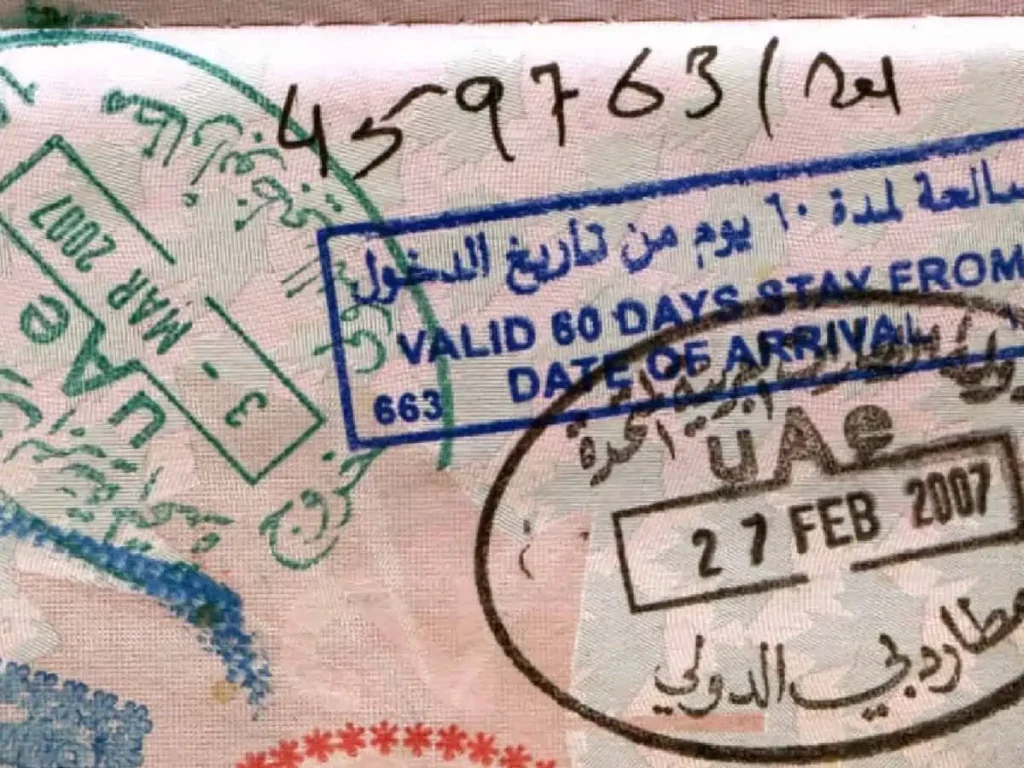
A UAE travel ban is a legal restriction issued by a court, police authority, or immigration department that prevents a person from entering or exiting the country until a specific issue is resolved.
Travel bans are enforced at all UAE border points, including:
- Dubai International Airport (DXB)
- Abu Dhabi International Airport
- Sharjah Airport
- Land borders and seaports
Importantly, travel bans are not limited to criminal cases. Many bans stem from civil, financial, labor, or immigration-related disputes.
Common Reasons People Face Travel Bans in Dubai
Understanding why travel bans occur helps explain why checking matters.
The most frequent causes include:
- Unpaid bank loans or credit card debt
- Bounced cheques (even historical cases)
- Ongoing civil court execution cases
- Police complaints or criminal investigations
- Visa overstays or immigration violations
- Leaving employment without following labor procedures
- Rental disputes escalated to court
- Working without a valid work permit
Dubai’s legal system prioritizes financial accountability and procedural compliance, which means even non-criminal matters can trigger restrictions.
How to Check Dubai Travel Ban Status Online (Official Methods)
Dubai Police “Criminal Status of Financial Cases” Service
For most residents, Dubai Police is the fastest and most reliable way to check a travel ban.
You can access this service through:
- Dubai Police Smart App
- Official Dubai Police website
Using your Emirates ID, the system checks whether financial criminal cases—such as unpaid debts or bounced cheques—are registered against you in Dubai.
This service provides:
- Instant results
- Clear indication of financial case status
- Guidance on next steps if an issue exists
This is the most commonly used tool for Dubai travel ban checks.
Dubai Police “Circulars and Travel Bans” Service
Dubai Police also offers an enhanced Circulars and Travel Bans feature that identifies:
- Active police circulars
- Criminal or financial cases
- Responsible authority handling the matter
Once you enter your Emirates ID, the system clarifies whether:
- A ban exists
- The issue is civil or criminal
- You must contact police, courts, or another authority
This tool is particularly useful before international travel or visa renewal.
Recommended: UAE Visa Ban 2026 Countries List
Checking UAE-Wide Travel Bans via ICP Portal
If your concern involves immigration status, visa history, or nationwide entry/exit records, the Federal Authority for Identity, Citizenship, Customs & Port Security (ICP) is the correct platform.
Through the ICP portal, users can request a Travel Report showing:
- Entry and exit records
- Immigration flags
- Potential nationwide bans
Access is typically done via UAE Pass, reinforcing secure digital identity verification.
This method is ideal for:
- Non-Dubai residents
- Individuals with previous visa cancellations
- Those unsure which emirate issued the restriction
Checking Visa-Related Bans via GDRFA Dubai
For visa, residency, and overstay-related concerns, the General Directorate of Residency and Foreigners Affairs – Dubai (GDRFA) is the responsible authority.
You may:
- Contact GDRFA Dubai directly
- Visit an Amer Center
- Inquire using passport or Emirates ID details
GDRFA handles:
- Residency bans
- Entry permits
- Overstay penalties
- Deportation records
Court and Civil Case Travel Ban Checks (MOJ & ADJD)
Some travel bans originate from court execution cases, especially in civil disputes.
- Ministry of Justice (MOJ) handles federal-level judicial inquiries
- Abu Dhabi Judicial Department (ADJD) offers the Estafser e-service, allowing users to check public prosecution claims
Estafser enables residents to verify legal restrictions without visiting a courthouse, making it especially useful for those living outside Dubai.
Types of Travel and Visa Bans in the UAE
Financial or Civil Travel Ban
Issued after a court judgment when a debtor fails to comply with execution orders.
Criminal Travel Ban
Linked to active investigations, police reports, or prosecution cases.
Immigration Ban
Prevents entry into the UAE due to overstays, deportation, or legal violations.
Labour or Employment Ban
Restricts employment eligibility due to contract violations or labor disputes.
Temporary Visa Bans
Often six months or one year, depending on contract type and exit circumstances.
Each ban type has different consequences and resolution paths, which is why identifying the exact category matters.
How to Remove or Lift a Travel Ban in Dubai
The solution always depends on why the ban exists.
In civil cases:
- Paying the outstanding amount
- Settling the execution file
- Obtaining court clearance
In criminal cases:
- Case closure or acquittal
- Prosecutorial decision
In immigration matters:
- Fine settlement
- Approved appeal or re-entry permission
Important 2024–2025 Legal Update
The UAE Ministry of Justice confirmed that travel bans are now lifted automatically once the underlying legal issue is resolved.
There is no longer a multi-step manual application process in most cases.
In many instances, bans are removed within minutes to a few days after resolution.
Should You Use a Lawyer?
For complex cases—especially involving courts, large financial disputes, or old criminal files—legal consultation is strongly recommended.
A qualified UAE lawyer can:
- Identify hidden or cross-emirate bans
- Communicate directly with courts or prosecutors
- Expedite clearance procedures
Why Regular Travel Ban Checks Matter in Dubai
Many people only discover a ban:
- At airport immigration
- During visa renewal
- When applying for employment or bank services
A proactive Dubai travel ban check avoids:
- Missed flights
- Legal escalation
- Employment disruptions
- Visa cancellations
At TheDubaiWeb.com, we consistently advise readers to treat legal status checks as routine—not reactive.
FAQs: Dubai Travel Ban Check (Most Asked Questions)
Can I check if I have a travel ban in Dubai online?
Yes. Dubai Police and ICP portals allow online travel ban checks using Emirates ID or UAE Pass.
Does unpaid credit card debt cause travel bans?
Yes. Unpaid loans or bounced cheques are among the most common reasons for financial travel bans.
How long does a UAE travel ban last?
It depends on the case. Some bans last until settlement; others are time-bound (six months or one year).
Are travel bans lifted automatically?
As of 2024, most bans are lifted automatically once the legal issue is resolved.
Can a travel ban affect my residency visa?
Yes. Active bans can block visa renewal, cancellation, or re-entry.
Can I travel domestically within the UAE with a ban?
Yes. Travel bans restrict international movement, not domestic travel.
Final Takeaway
A Dubai travel ban check is not about fear—it is about foresight.
Whether you are a resident, visitor, business owner, or employee, knowing your legal travel status protects your time, finances, and future mobility.
For reliable UAE legal, travel, and residency insights, TheDubaiWeb.com remains your trusted local reference point—grounded in facts, not assumptions.
Disclaimer: This content is for informational purposes only and does not constitute legal advice. Always consult official UAE authorities or licensed legal professionals for case-specific guidance.

- Al Mahatta Park Sharjah Area Guide – Timings, Location, Facilities & Nearby Attractions UAE - February 22, 2026
- Lulu balance Check UAE – How to Check Lulu Salary Card Balance Online, SMS, ATM & App (2026 Guide) - February 21, 2026
- FAB Bank Prepaid Card Inquiry – Complete Guide for Balance Check, Enquiry Methods & Card Management in the UAE - January 7, 2026