This Is When DXB Airport Is Set to Move Services to Al Maktoum – Complete Guide (UAE)
The future of aviation in Dubai is entering a transformative phase, and one of the most significant developments revolves around the eventual transition of operations from Dubai International Airport to Al Maktoum International Airport. For travelers, aviation professionals, and residents alike, understanding when and how this transition will happen is crucial, as it directly impacts travel planning, infrastructure, and the broader economic landscape of the UAE.
The shift is not just a routine airport upgrade—it represents one of the largest aviation transitions in global history. With passenger numbers steadily increasing and capacity nearing its limits, DXB is approaching a turning point. The move to Al Maktoum is not a question of “if,” but “when,” and current projections indicate that this change will begin taking shape much sooner than many expect.
This guide provides a complete, deeply analyzed, and user-focused explanation of the timeline, process, implications, and future of this major transition, ensuring you have the most authoritative and comprehensive understanding available.
Overview of the DXB to Al Maktoum Transition
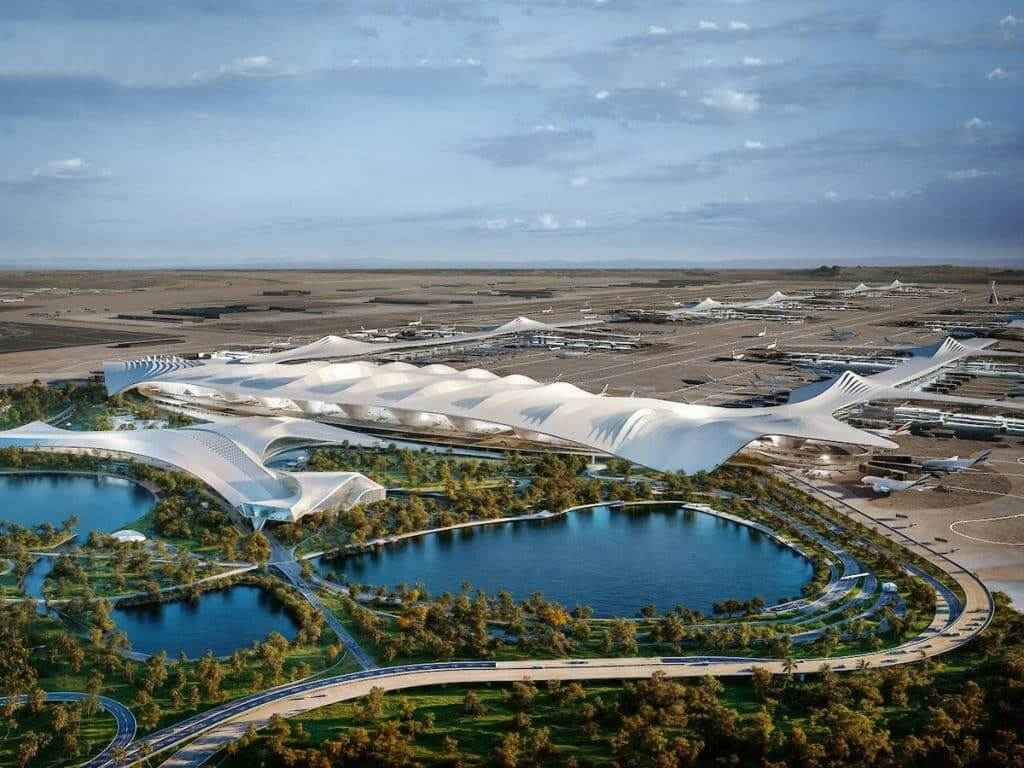
The planned migration of services from DXB to Al Maktoum International Airport is part of a long-term aviation strategy led by Dubai Airports. The goal is to accommodate growing passenger demand while creating a next-generation global aviation hub.
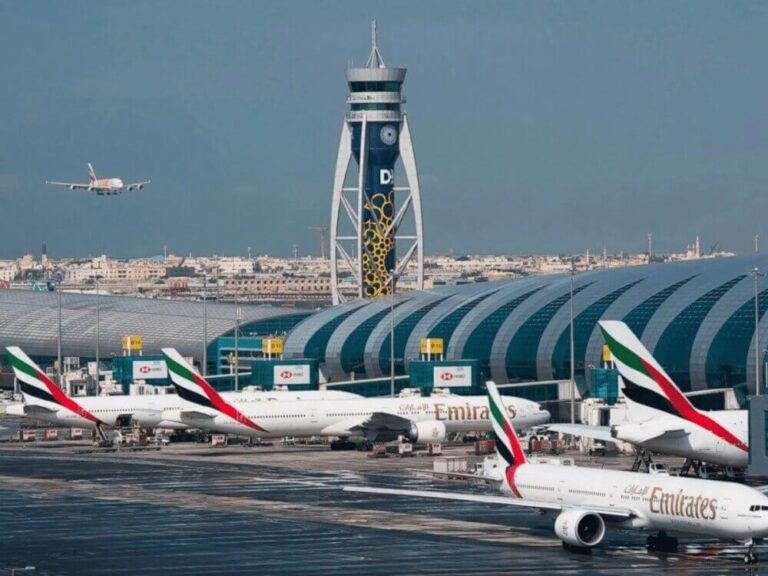
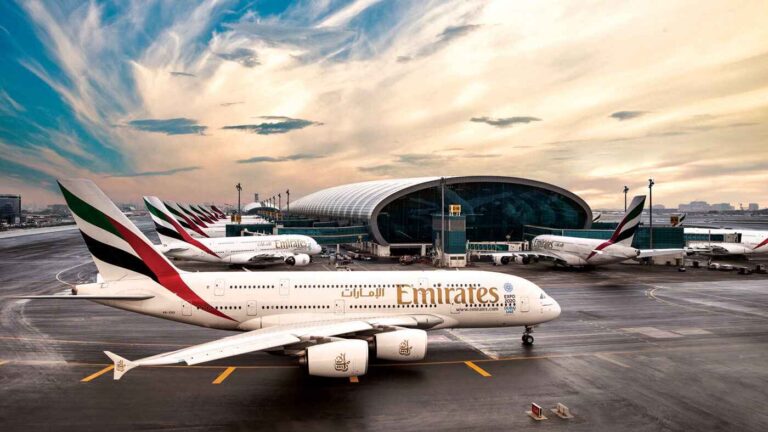
DXB has consistently ranked among the busiest international airports in the world, handling tens of millions of passengers annually. However, despite continuous upgrades and efficiency improvements, the airport is approaching its operational limits. Projections suggest that passenger traffic will exceed 100 million annually within the next few years, eventually reaching around 114 million by 2031.
At that point, expansion constraints at DXB will make it increasingly difficult to scale operations further. This is where Al Maktoum International Airport comes into play. Located in Dubai South, it has been designed from the ground up to support significantly larger volumes, with long-term plans to handle up to 260 million passengers annually.
The transition is therefore not just about relocation—it is about redefining aviation capacity, passenger experience, and urban development across Dubai.
When Will DXB Move to Al Maktoum?
The most critical question for travelers and stakeholders is the timeline. Based on official statements and strategic projections, the major transition is expected to begin around 2032.
This timeline aligns with the point at which DXB is forecasted to reach maximum operational capacity. Once that threshold is crossed, a structured migration of services will begin, gradually shifting airlines and operations to Al Maktoum International Airport.
The transition will not happen overnight. Instead, it will be a phased process designed to minimize disruption. Airlines will gradually move their operations based on slot availability and infrastructure readiness at DWC. Over time, this phased approach will lead to a complete transfer of all services.
The year 2032 is expected to mark the “big moment” when the majority of operations shift, making it one of the largest airport transitions ever executed globally. However, the full development of Al Maktoum, including its ultimate capacity goals, is expected to continue until around 2057.
Why the Move Is Necessary
The decision to move operations is driven by a combination of capacity limitations, economic considerations, and long-term urban planning.
DXB, while highly efficient, is geographically constrained. It is located in a densely developed part of Dubai, limiting its ability to expand runways, terminals, or support infrastructure. As passenger numbers continue to grow, maintaining service quality becomes increasingly challenging.
In contrast, Al Maktoum International Airport offers vast expansion potential. Built in Dubai South, it is strategically positioned to support future growth, both in aviation and urban development. The surrounding area is being developed as a major economic zone, integrating logistics, residential communities, and commercial hubs.
Another critical factor is infrastructure lifecycle. By the time the transition occurs, many of DXB’s existing assets will be nearing the end of their operational lifespan. Upgrading or replacing these systems would require massive investment, making relocation a more economically viable option.
Step-by-Step Transition Process
The migration from DXB to Al Maktoum International Airport will follow a carefully planned, multi-stage process designed to ensure operational continuity.
Initially, airlines will begin shifting select operations to DWC when capacity at DXB becomes constrained. This gradual redistribution will help balance traffic between the two airports while allowing passengers and airlines to adapt.
As infrastructure at Al Maktoum expands, more airlines will be encouraged to relocate their primary operations. This includes the development of advanced terminals, improved passenger handling systems, and enhanced connectivity options.
The next phase involves scaling operations at DWC to handle larger passenger volumes. Advanced technologies tested at DXB, such as biometric processing and automated systems, will be implemented on a much larger scale at Al Maktoum.
Eventually, once sufficient capacity is achieved, a complete transition will take place. At this stage, all passenger and cargo services will move to DWC, effectively making it the primary international gateway for Dubai.
What Will Happen to DXB After the Move?
One of the most frequently asked questions is the future of DXB once operations are fully transferred.
Current strategic thinking suggests that maintaining two major airports of similar scale within close proximity is not economically viable. With both airports located within approximately 70 kilometers of each other, operating them simultaneously would lead to inefficiencies and resource duplication.
Additionally, by the time the transition is complete, DXB’s infrastructure will require extensive renovation. The cost of upgrading existing facilities to modern standards could be prohibitively high, making closure or redevelopment a more practical option.
There is also significant interest from developers in repurposing the DXB site. While no official redevelopment plan has been confirmed, the land represents a valuable asset with potential for large-scale urban projects.
The closure of DXB could also contribute to improved traffic conditions in central Dubai, as airport-related congestion shifts toward the Dubai South area.
Common Challenges and Practical Solutions
A transition of this magnitude is not without challenges. One of the primary concerns is ensuring a seamless experience for passengers during the migration phase.
Travelers may face confusion regarding flight departures, especially if airlines operate from both airports during the transition period. Clear communication from airlines and authorities will be essential to address this issue.
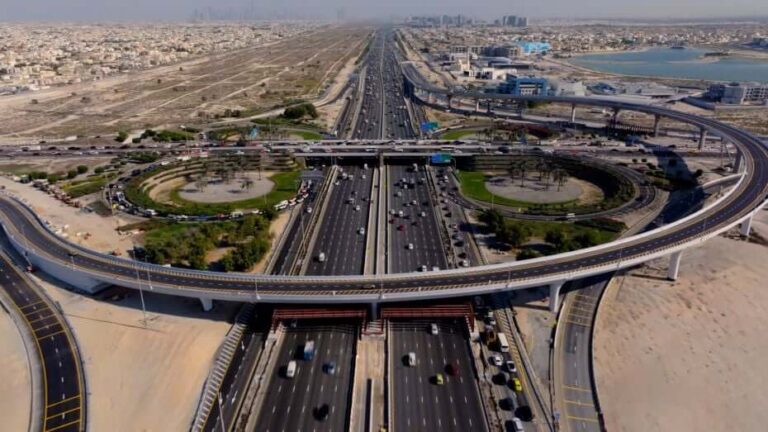
Another challenge is transportation. Al Maktoum International Airport is located farther from central Dubai compared to DXB. To address this, significant investments are being planned in transport infrastructure, including road networks and potential rail connectivity.
Operational coordination between airlines, ground services, and regulatory authorities will also be critical. A phased approach helps mitigate risks, allowing stakeholders to adapt gradually rather than dealing with a sudden shift.
Expert Insights and Best Practices
From an aviation strategy perspective, the success of this transition will depend heavily on scalability and technology integration.
Al Maktoum International Airport is expected to incorporate next-generation systems that enhance efficiency and passenger experience. This includes automation, smart security processes, and data-driven operations management.
For travelers, the best approach is to stay informed and plan ahead. As the transition progresses, checking departure airports, allowing extra travel time, and staying updated with airline communications will become increasingly important.
For businesses and logistics operators, early adaptation to the new hub will provide a competitive advantage. Establishing operations in Dubai South ahead of the full transition could streamline processes and reduce long-term costs.
Key Benefits of Moving to Al Maktoum
The transition offers several long-term advantages that extend beyond aviation.
First, it significantly increases passenger capacity, allowing Dubai to maintain its position as a leading global travel hub. With a projected capacity of up to 260 million passengers, Al Maktoum will surpass all existing airports worldwide.
Second, it enhances the passenger experience. With modern infrastructure and advanced technology, travelers can expect faster processing times, reduced congestion, and improved overall comfort.
Third, it supports economic growth. The development of Dubai South as an integrated economic zone will create new opportunities in trade, tourism, and real estate.
Finally, it contributes to better urban planning. Shifting airport operations away from the city center helps reduce congestion and allows for more balanced development across the emirate.
FAQs
When will DXB officially close?
There is no confirmed closure date yet, but the full transition of services is expected to begin around 2032, with DXB potentially closing afterward.
Why is Dubai moving to Al Maktoum Airport?
The move is driven by capacity limitations at DXB and the need for a larger, more scalable aviation hub.
Will all airlines move at the same time?
No, the transition will be phased, with airlines gradually relocating operations based on capacity and infrastructure readiness.
How far is Al Maktoum Airport from central Dubai?
It is located in Dubai South, farther from the city center than DXB, but future transport developments will improve accessibility.
What will replace DXB?
No official redevelopment plan has been announced, but the site is expected to be repurposed for urban development.
Conclusion
The transition from Dubai International Airport to Al Maktoum International Airport marks a defining moment in the evolution of global aviation. With operations expected to begin shifting around 2032, this move reflects a forward-thinking strategy designed to accommodate future growth, enhance passenger experience, and support long-term economic development.
While challenges are inevitable, the phased approach, combined with advanced planning and infrastructure investment, positions Dubai to execute one of the most ambitious airport transitions in history successfully.
For travelers and stakeholders, staying informed and adaptable will be key. As the aviation landscape evolves, Al Maktoum International Airport is set to become not just a replacement for DXB, but a benchmark for the future of air travel worldwide.

- Umm Suqeim Dubai Area Guide 2026: Beaches, Villas, Schools and Local Life - August 6, 2026
- Emirates Golf Club Area Guide 2026: Courses, Fees, Location and What to Expect - July 14, 2026
- Al Maktoum International Airport: Your Ultimate Real Estate Investment Guide in Dubai South (2026-2032) - June 22, 2026