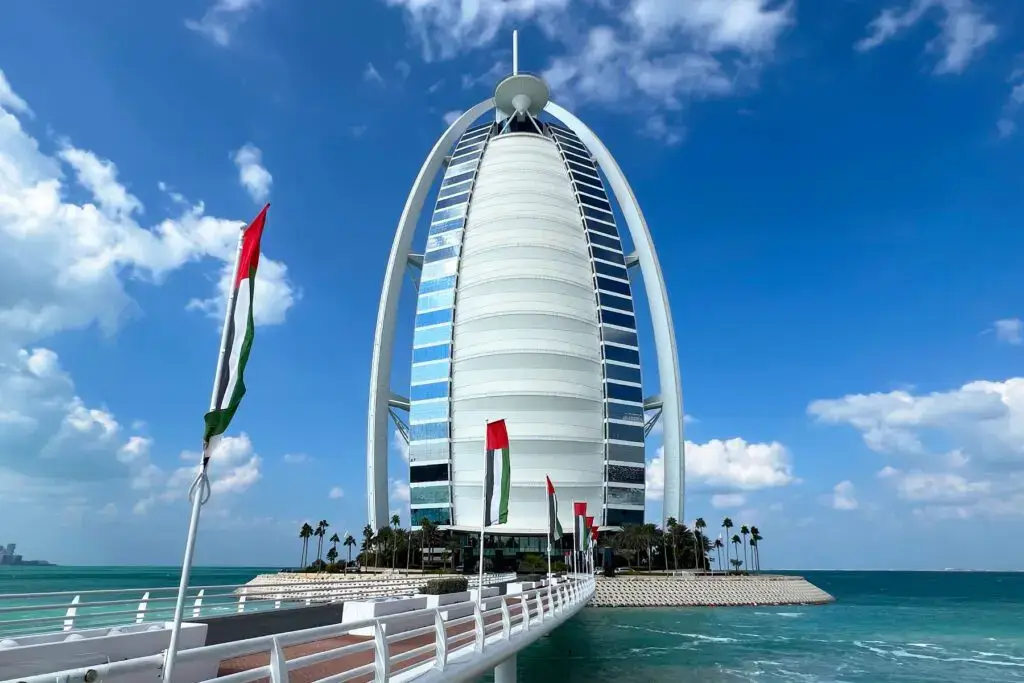
Burj Al Arab to Temporarily Close for Major Revamp
Dubai has built its global reputation on bold ambition, architectural innovation, and luxury hospitality that redefines expectations. Among its most recognizable landmarks, the Burj Al Arab stands as a defining symbol of this vision-an icon that has shaped the city’s identity for more than two decades. Now, the announcement that the Burj Al Arab will temporarily close for a major revamp has sparked widespread interest, curiosity, and questions from travelers, residents, and industry observers alike.
This planned closure is not simply about renovation-it represents a strategic transformation aimed at preserving legacy while adapting to evolving luxury standards. For many, the Burj Al Arab is more than a hotel; it is an experience, a benchmark, and a storytelling piece of Dubai’s growth. Understanding what this revamp means, what changes to expect, and how it impacts visitors is essential for anyone following the UAE’s hospitality landscape or planning future travel.
This guide provides a comprehensive, deeply analyzed, and user-focused breakdown of the temporary closure, combining insights from multiple perspectives to deliver the most complete and authoritative explanation available.
Burj Al Arab to Temporarily Close for Major Revamp – What to Expect in UAE
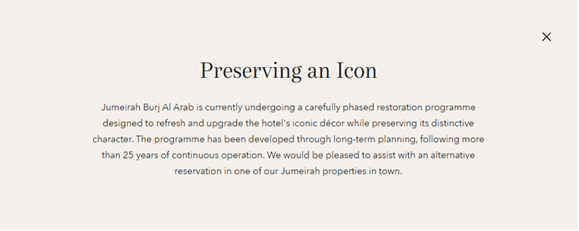
The decision to temporarily close the Burj Al Arab for refurbishment reflects a long-term strategic approach rather than a reactive upgrade. After more than 25 years of continuous operation, even the most iconic properties require thoughtful renewal to maintain their position at the top of the global luxury hierarchy.
The revamp is expected to span approximately 18 months, during which the hotel will undergo a carefully phased restoration program. The focus is not on altering its identity but on refining and enhancing it. This distinction is critical. The goal is to preserve the architectural DNA and design heritage while introducing modern elements that align with contemporary luxury expectations.
A key aspect of this transformation lies in the involvement of a globally recognized interior architect known for blending heritage with modern elegance. This approach ensures that the hotel retains its timeless appeal while offering refreshed experiences that resonate with a new generation of high-end travelers.
The project also reflects broader trends in luxury hospitality, where legacy properties are increasingly investing in experiential upgrades, sustainability improvements, and design innovation to remain competitive in a rapidly evolving market.
Why the Closure is Necessary
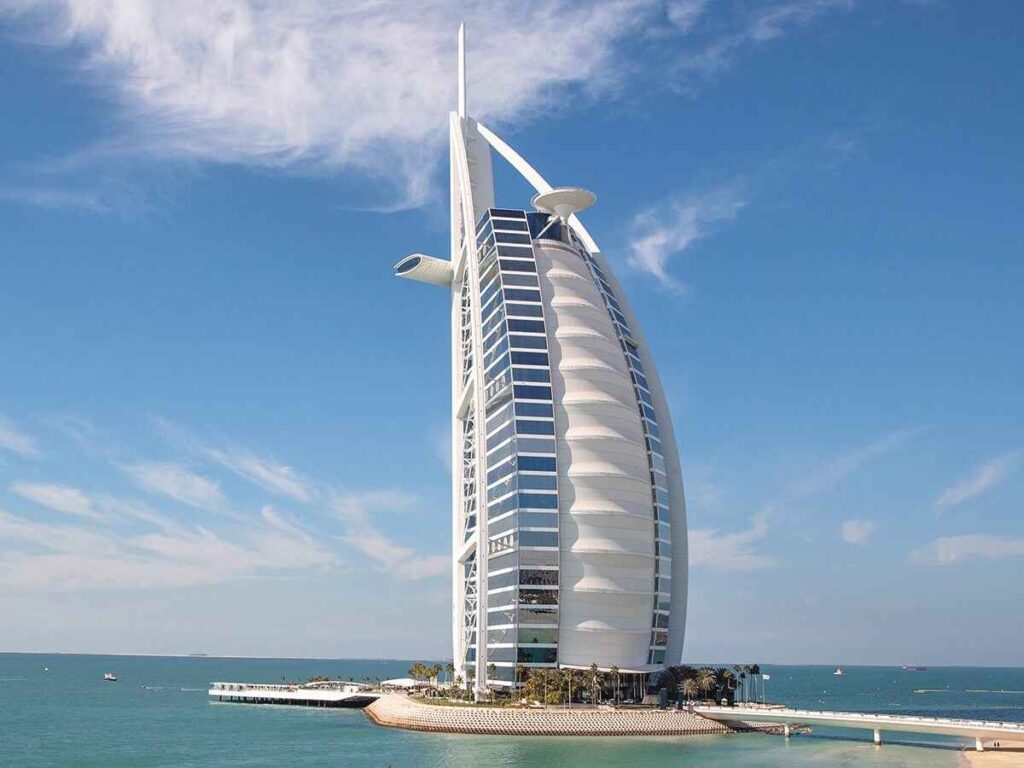
At first glance, closing one of the world’s most famous hotels may seem like a bold and risky move. However, from a strategic and operational standpoint, it is both necessary and forward-thinking.
Over the years, the Burj Al Arab has maintained a reputation for opulence, with interiors featuring gold accents, marble surfaces, and intricate craftsmanship. While these elements remain timeless, guest expectations have evolved significantly. Today’s luxury travelers seek not only grandeur but also personalization, technology integration, and immersive experiences.
Continuous operation over decades also leads to natural wear and tear, particularly in high-traffic areas and complex architectural structures. A comprehensive closure allows for deep structural, aesthetic, and functional upgrades that cannot be effectively executed while the hotel remains open.
Moreover, the global luxury hospitality market has become increasingly competitive. New ultra-luxury properties are entering the scene with cutting-edge designs and innovative service models. To maintain its leadership position, the Burj Al Arab must evolve while staying true to its core identity.
Related: Burj Khalifa is Losing Its Crown as the World’s Tallest Building
What Will Change After the Revamp
The upcoming transformation is expected to focus on multiple dimensions, each contributing to a holistic upgrade of the guest experience.
Interior Design Enhancements
The interiors will undergo a significant refresh, balancing preservation with modernization. The objective is not to replace the iconic design language but to elevate it. Expect refined materials, updated color palettes, and enhanced spatial layouts that improve both aesthetics and functionality.
The design philosophy revolves around respecting craftsmanship while introducing subtle contemporary touches. This ensures that returning guests still recognize the essence of the property while experiencing something new and improved.
Suite Upgrades
The hotel’s all-suite concept is one of its defining features. Each suite is expected to be upgraded with improved layouts, smarter technology integration, and enhanced comfort features.
This may include advanced lighting systems, upgraded entertainment setups, and more intuitive room controls. The goal is to create a seamless blend of luxury and convenience, catering to modern traveler expectations.
Dining and Culinary Experiences
Dining has always been a central part of the Burj Al Arab experience. The revamp is likely to introduce refreshed culinary concepts, updated restaurant interiors, and possibly new dining experiences that align with global gastronomic trends.
This could include more immersive dining environments, chef-led experiences, and innovative menus that cater to diverse tastes while maintaining exclusivity.
Technology Integration
One of the most significant upgrades will likely involve technology. From smart room features to enhanced digital concierge services, the hotel is expected to integrate advanced systems that improve guest convenience without compromising luxury.
This aligns with the broader shift in hospitality toward tech-enabled personalization, where guest preferences are seamlessly incorporated into their stay.
Sustainability Improvements
Sustainability has become a critical factor in modern hospitality. The revamp provides an opportunity to incorporate energy-efficient systems, water conservation technologies, and environmentally responsible materials.
While luxury remains the priority, integrating sustainable practices enhances the hotel’s long-term viability and global appeal.
Step-by-Step Timeline of the Revamp Process
Understanding the phased nature of the revamp helps clarify what happens during the closure period.
The process begins with a complete shutdown of guest operations, allowing teams to conduct detailed assessments and planning. This is followed by structural evaluations to identify areas requiring reinforcement or redesign.
Next comes the interior transformation phase, where suites, public spaces, and dining areas are upgraded. This stage involves collaboration between designers, engineers, and craftsmen to ensure precision and consistency.
Technology integration follows, with the installation of new systems and testing to ensure seamless functionality. Finally, the project concludes with quality assurance, staff training, and a soft reopening phase to ensure that every detail meets the highest standards.
This structured approach ensures that the revamp is comprehensive rather than superficial, addressing both visible and behind-the-scenes elements.
Common Concerns and Practical Solutions
Concern: Travel Plans Disruption
Many travelers planning to visit the Burj Al Arab may be affected by the closure. The best solution is to explore alternative luxury properties within Dubai that offer comparable experiences.
Booking well in advance for post-reopening stays is also advisable, as demand is expected to be high once the hotel resumes operations.
Concern: Loss of Access to Iconic Experiences
Experiences such as afternoon tea or guided tours may be temporarily unavailable. Visitors can instead explore other high-end dining and cultural experiences across the city during this period.
Concern: Uncertainty About Reopening
While timelines are estimated, large-scale projects can face delays. Travelers should stay updated through official channels and maintain flexible travel plans.
Expert Insights and Best Practices
From an industry perspective, the closure represents a textbook example of proactive asset management in luxury hospitality. Rather than waiting for decline, the brand is investing in renewal at the peak of its reputation.
Experts recommend that travelers and industry observers view this as a positive signal. It demonstrates commitment to quality, long-term vision, and adaptability-key factors in sustaining global leadership.
For travelers, the best approach is to align expectations with the reopening timeline and consider the revamp as an opportunity to experience a renewed version of a legendary property.
Key Benefits of the Revamp
The temporary closure ultimately leads to several long-term advantages. The most significant benefit is the enhancement of the overall guest experience. From upgraded suites to refined interiors, every aspect is designed to elevate comfort and satisfaction.
Another major benefit is the preservation of heritage. By carefully restoring and enhancing the property, the revamp ensures that its legacy continues for future generations.
The integration of modern technology and sustainability practices also positions the hotel as a forward-looking destination, appealing to both traditional luxury travelers and younger audiences.
Finally, the relaunch itself will generate renewed global attention, reinforcing the hotel’s status as a must-visit destination.
FAQs
Why is the Burj Al Arab closing temporarily?
The closure is part of a planned refurbishment aimed at upgrading interiors, enhancing guest experiences, and preserving the hotel’s legacy after decades of continuous operation.
How long will the closure last?
The revamp is expected to take approximately 18 months, although timelines may vary depending on project progress.
Will the hotel look completely different after reopening?
No, the core identity and design will be preserved. The changes will focus on refinement and modernization rather than complete transformation.
Can visitors still access the hotel during the closure?
Access will be restricted during the renovation period, including dining and tour experiences.
What improvements can guests expect after reopening?
Guests can expect upgraded suites, enhanced interiors, improved technology, and more refined dining experiences.
Conclusion
The temporary closure of the Burj Al Arab marks a pivotal moment in the evolution of one of the world’s most iconic hotels. Rather than signaling disruption, it represents a strategic investment in excellence, ensuring that the property continues to set global standards in luxury hospitality.
By balancing preservation with innovation, the revamp is designed to enhance every aspect of the guest experience while maintaining the timeless appeal that has defined the hotel for decades. For travelers, this is not a loss but an anticipation-an opportunity to witness the next chapter of a legendary destination.
As the hospitality landscape continues to evolve, such transformations highlight the importance of adaptability, vision, and commitment to quality. When the Burj Al Arab reopens, it is expected to not only reclaim its position but elevate it further, offering an experience that aligns with the future of luxury travel.

- Umm Suqeim Dubai Area Guide 2026: Beaches, Villas, Schools and Local Life - August 6, 2026
- Emirates Golf Club Area Guide 2026: Courses, Fees, Location and What to Expect - July 14, 2026
- Al Maktoum International Airport: Your Ultimate Real Estate Investment Guide in Dubai South (2026-2032) - June 22, 2026