VW Fuel Pump Failure Symptoms & OEM Replacement Tips
Ever had your VW stall in traffic with no warning? Or maybe the engine cranked and cranked… but never fired up? If that moment left you guessing between a bad battery and something worse, you are not alone. In Dubai’s heat, VW fuel pump failure is more common than most drivers expect. From poor acceleration to full no-start conditions, a weak fuel delivery system causes more headaches than it should. Let’s uncover what goes wrong, and how the right OEM replacement can save your engine and your wallet.
Understanding the Fuel Pump in VW Models
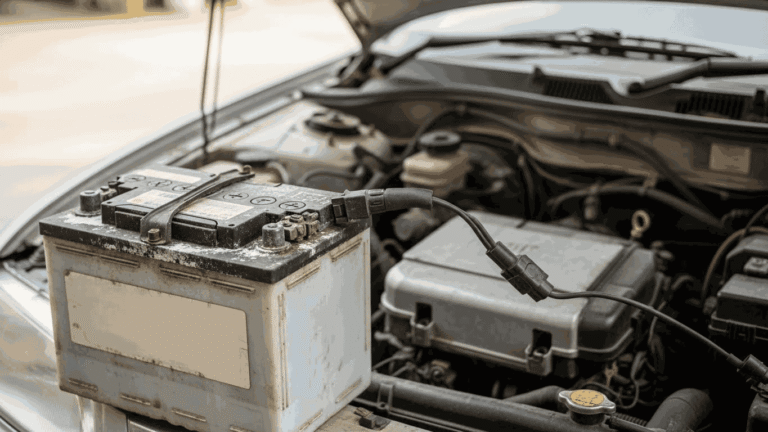
Ever tried starting your VW and it just cranked… and cranked? That gut-sinking silence is often more than just a battery issue. Your fuel pump may be to blame, and once it starts slipping, it rarely gets better on its own. Here’s what you really need to know:
- It pushes fuel under pressure
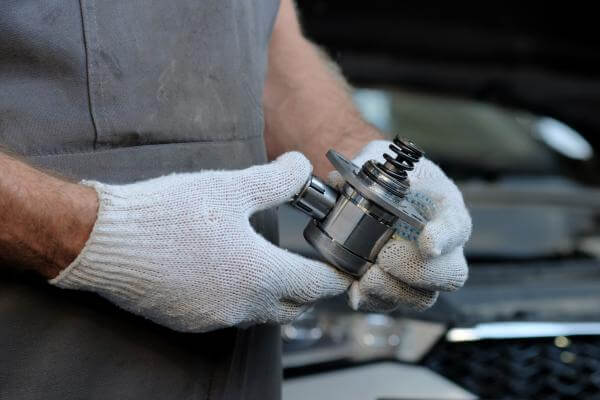
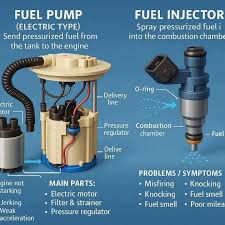
the fuel pump draws petrol from the tank and pushes it toward the engine at high pressure. No pressure, no ignition, simple as that. - Modern VWs use high-pressure systems
Especially in TSI and FSI engines, the pump has to deliver extreme pressure. Even a small drop can throw everything off, from idle to acceleration. - Two pumps, one weak link
Many VW models run both a low-pressure in-tank pump and a high-pressure engine-mounted one. If either fails, the whole system suffers. - Dubai heat wears them down faster
High temps and dusty fuel damage internal pump components. Regular filter replacements and clean fuel can slow the damage, but not stop it. - Electrical issues mimic pump failure
sometimes, it is the fuel pump relay, fuse, or wiring fault, not the pump itself. That is why proper diagnosis matters.
A failing fuel pump never gives you a clear warning. It just fades quietly until your car does not move. Knowing this can save you expensive Car Repair in Dubai and hours stuck under the Dubai sun.
Common VW Fuel Pump Failure Symptoms
A failing VW fuel pump does not scream for attention, it whispers. But if you listen closely, the car gives you enough clues before it gives up.
- Starts slow, cranks too long
you turn the key, but it takes a few seconds to start. That delay usually means the pump cannot build pressure fast enough. - Stalls without warning
Car dies at a red light or while parking? That’s fuel flow cutting off for a split second, classic pump trouble. - Feels weak when accelerating
you press the pedal, but it lags. That sluggish pull is a sign the engine is not getting the fuel it needs under load. - Whining noise near the fuel tank
a faint, constant buzz from the rear? That’s a tired fuel pump motor struggling to keep up. - Check engine light with fuel codes
if you see P0087 or P0230, it’s not random, the car’s telling you something is off with fuel pressure. - No-start, no noise
when it finally gives out, the engine won’t even try. Quiet. Dead. That’s when VW fuel pump replacement becomes urgent.
Spot these early, and you might avoid a roadside breakdown. Ignore them, and you’re one tow truck away from a bigger bill.
The Hidden Habits That Slowly Kill Your VW Fuel Pump
Not every fuel pump failure comes with smoke and flashing lights. Some are caused by small habits we all do, without realizing the long-term cost. Here’s what quietly wears down your VW fuel pump, one drive at a time:
- Always running low on fuel
less fuel means less cooling. The pump runs hotter, and heat is what eventually burns it out, especially during summer in Dubai. - Sand sneaking in at the pump station
you open the cap during a dusty day, or the nozzle’s not clean, tiny grains enter the tank and slowly choke the fuel system. - Long idle times in traffic
while you’re waiting in a jam, the pump keeps spinning. No airflow, no movement, just steady heat buildup under the tank. - Random fuel additives from the shelf
some cheap cleaners cause more damage than buildup. They mess with seals or loosen sludge that ends up blocking the pump. - Wiring no one checks
Corroded terminals or a loose ground can drop voltage without warning. Suddenly your car stalls, and the pump gets blamed, but it is an electrical issue.
These problems don’t announce themselves, they build up quietly. By the time you notice, VW fuel pump replacement is the only way forward.
How We Actually Confirm You Need a VW Fuel Pump Replacement
Nobody wants to spend on a fuel pump unless it is truly needed. But here in Dubai, where temperatures hit boiling and dusty fuel stations are part of life, pumps don’t last forever. The real trick? Knowing when it’s really the pump and not something else pretending to be it. That’s where proper diagnosis saves you a world of regret. Here’s exactly how we break it down, before any VW fuel pump replacement even begins.
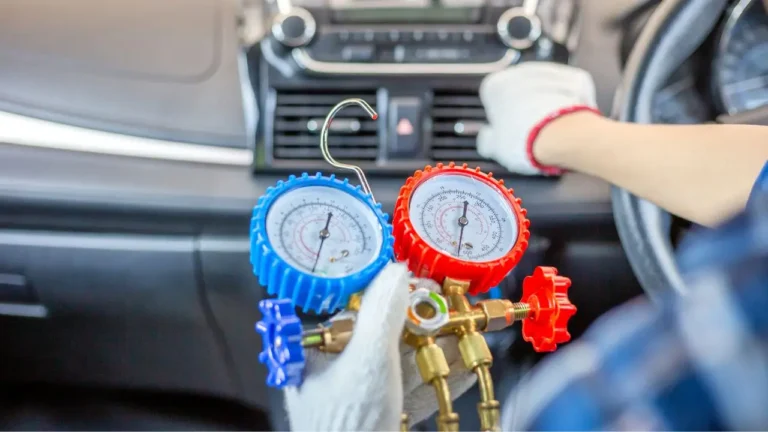
- Fuel Pressure Doesn’t Lie: You can’t guess pressure. We hook up a gauge and compare the numbers with what your VW engine actually needs. TSI and FSI motors rely on high-pressure fuel delivery, if we see a drop below spec, especially under load, the pump’s struggling to keep up.
- No Sound from the Rear: Every VW fuel pump gives a tiny hum when you turn the key, it’s faint, but it’s there. No sound? That’s either a dead pump or no power reaching it. Hearing that silence? That’s when we know it’s time to dig deeper, not just jump to VW fuel pump replacement right away.
- Power Supply Is Clean or It Isn’t: We check voltage right at the pump connector. If there’s no clean 12V on key turn, your fuel pump might be just fine, but the relay, fuse, or wiring could be to blame. We’ve seen corrosion under seat carpets knock out the power, especially after Dubai’s humid months.
- Fuel Filter Choking the System: Clogged filters make the pump work double-time, and that kills it slowly. If fuel pressure is borderline and the filter hasn’t been changed in years? That filter could be the real problem. No point doing a VW fuel pump replacement if it’s just being smothered by a dirty line.
- Error Codes Are Only Half the Story: VW ECUs are smart, they’ll throw codes like P0087 or P0230 when things get rough. But we don’t just trust the dashboard. We dig into live fuel pressure readings using diagnostic tools. This tells us if it’s pump failure, regulator problems, or pressure sensor confusion.
- Visuals & Vibration Clues: Sometimes, you can spot the issue by just watching. A dying pump will vibrate unevenly or run louder than normal, like it’s struggling to push. We’ve caught pumps on the edge of failure this way before customers even noticed a symptom. That’s how we avoid breakdowns before they happen.
When all these checks point to the same thing, that’s when VW fuel pump replacement makes sense. We don’t just swap parts because it might be the issue. We confirm it. That’s the only way to avoid wasting money, and risking more damage down the road.
Why OEM Quality Makes or Breaks Your VW Fuel Pump Replacement in Dubai
When your fuel pump fails, you don’t just fix a part, you’re resetting the heart of your car’s performance. But here’s the kicker: not every replacement pump is equal. In Dubai, where brutal heat and fuel quality can be unforgiving, choosing the right replacement makes a serious difference. We’ve seen it too many times. A quick fix with a cheap aftermarket part leads to repeat failure, stalling, or worse, damage to the fuel injectors or ECU. If you’re considering a VW fuel pump replacement, OEM-spec is not just a smart choice. It’s the only one that holds up out here.
- Precision Pressure Delivery: VW engines, especially the TSI and FSI platforms, demand extremely precise fuel pressure regulation. One small mismatch and the engine starts to lag, misfire, or hesitate. OEM fuel pumps are built to meet that exact pressure range every single time. Aftermarket? Not always. And in Dubai traffic, that’s a risk you feel in real-time.
- Built for Heat, Not Just Hype: Aftermarket pumps often skip thermal shielding and use cheaper internals. That might work elsewhere, but not under a 45°C Dubai chassis. OEM pumps handle heat cycling better, resist fuel vapor damage, and maintain consistent output even in summer jams on Sheikh Zayed Road.
- Plug-and-Play Fitment: With OEM, connectors match. Fuel lines fit. Float sensors talk to the ECU without glitches. Sounds basic, but we’ve seen aftermarket pumps cause fuel gauge errors, engine lights, and even check valve leaks. Proper VW fuel pump replacement means restoring factory integrity, not fighting wiring errors.
- Longer Service Life, Real Warranty: OEM pumps outlive their cheaper counterparts for one simple reason, they’re made for long-haul reliability. And they’re backed by actual warranties that mean something. No vague “seller guarantees” or terms that vanish when things go wrong. It’s not just about cost, it’s about not doing the job twice.
- Compatible with Your Fuel System Sensors: Modern VWs rely on a network of fuel system sensors that talk to the ECU constantly. An off-brand pump can throw false readings, confuse the rail pressure regulator, or overload the fuel control module. OEM pumps integrate seamlessly, no signal drops, no weird behavior.
- Designed with Engine Protection in Mind: A failing or low-quality pump can starve your engine, overheat the injectors, and send air pockets or dirty surges through the system. OEMs don’t just pump, they protect. Every component, from the check valve to the pressure diaphragm, is calibrated to protect your engine under stress.
In UAE, where driving conditions punish even the strongest parts, going cheap on a VW Repair Dubai is never worth it. OEM means performance, protection, and peace of mind. You’re not just buying a part, you’re investing in the continued health of your VW.
Most fuel pump failures don’t happen with fireworks. They creep in, slowly robbing your car of power, leaving you guessing in traffic, or worse… stranded on the shoulder of Sheikh Zayed Road with no clue why your VW won’t crank. If you’ve noticed longer start times, sluggish throttle, or that quiet buzz from the rear getting louder, don’t brush it off. These aren’t quirks. They’re early signs that your VW fuel pump replacement might already be overdue.
We don’t believe in guesswork or upselling. We test, we confirm, and we only replace the pump if it’s the real issue. Whether it’s electrical, mechanical, or just years of Dubai’s heat doing its thing, we’ll pinpoint the fault, show you the evidence, and get your car back on the road with genuine, OEM-spec repairs that last.Book your fuel system check today, before the silence under your bonnet turns into an expensive surprise.