Jumeirah Garden City Area Guide UAE – Lifestyle, Location, Investment & Restaurants
Jumeirah Garden City is one of Dubai’s emerging urban residential destinations, strategically positioned in the heart of Al Satwa near Sheikh Zayed Road. Developed by Meraas, the district is transforming the traditional Satwa landscape into a modern vertical community designed around walkability, connectivity, and mixed-use living.
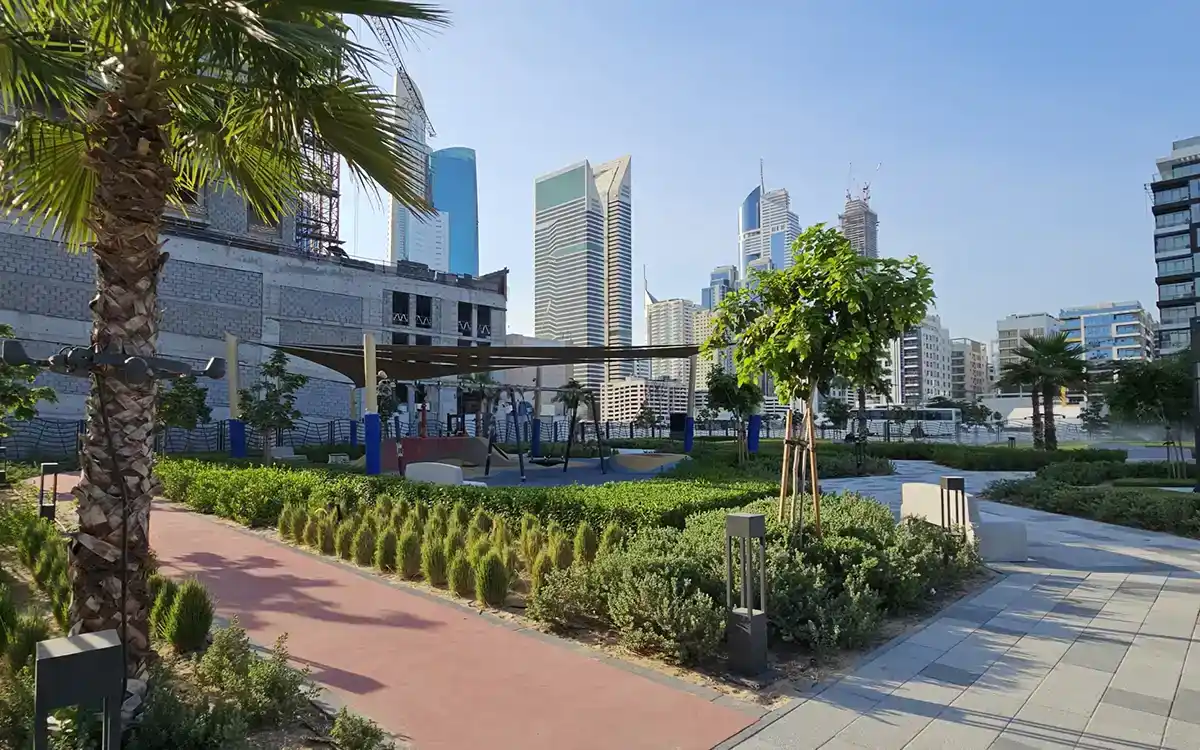
Unlike high-rise districts such as Dubai Marina or suburban communities like Jumeirah Village Circle, Jumeirah Garden City offers a balanced urban lifestyle with mid-rise residential buildings, commercial spaces, retail outlets, landscaped streets, and community-focused infrastructure. The area is becoming increasingly attractive for both end-users and investors due to its freehold status, central location, and long-term redevelopment potential.
The district appeals to professionals working in nearby commercial hubs such as DIFC, Downtown Dubai, and Business Bay. Residents benefit from proximity to beaches, entertainment zones, shopping destinations, and major transport corridors while still enjoying a quieter residential atmosphere compared to some of Dubai’s more densely populated neighborhoods.
Overview of Jumeirah Garden City
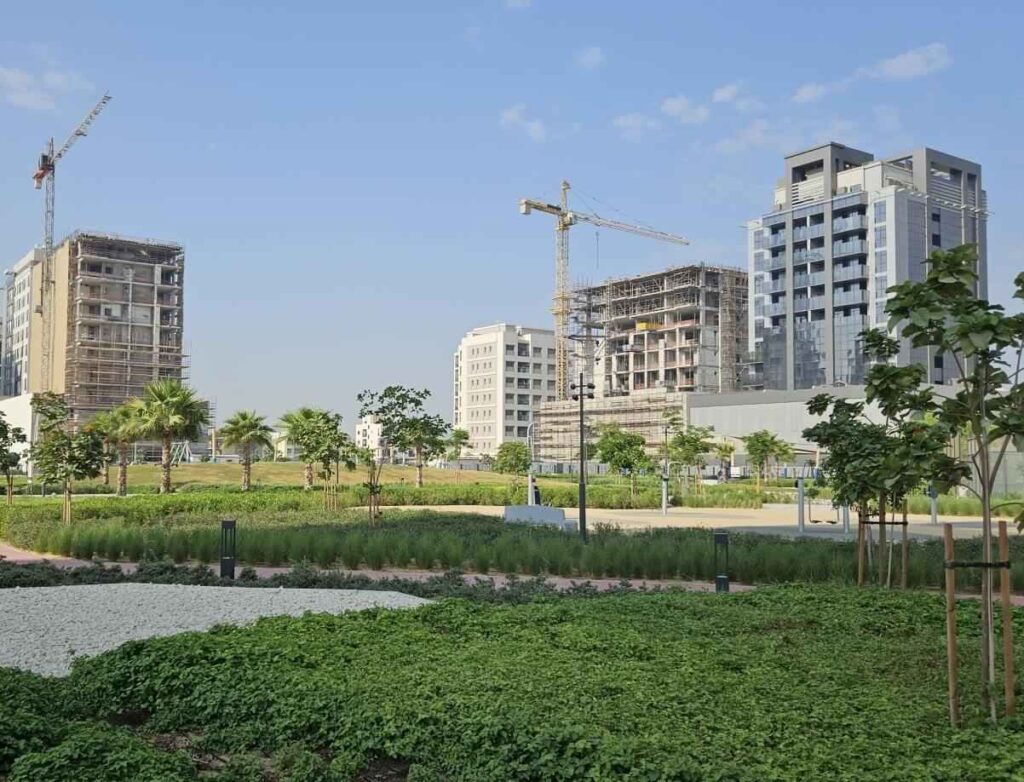
Jumeirah Garden City is designed as a medium-density mixed-use master community with development regulations generally allowing buildings up to ground plus eight floors. The redevelopment initiative aims to modernize older parts of Satwa while preserving the practicality and central accessibility that have historically made the district popular among residents.
The master plan includes residential apartments, retail podiums, hospitality projects, office spaces, green zones, pedestrian-friendly pathways, and upgraded road infrastructure. The district is divided into multiple development phases, with several plots facing Sheikh Zayed Road and others positioned deeper within the community. This phased development approach supports gradual urban expansion while increasing long-term property value.
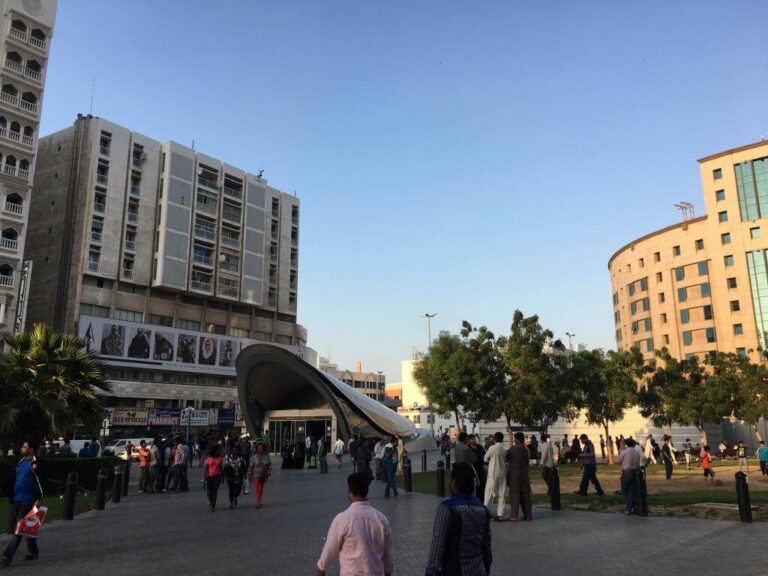
One of the defining features of the area is its combination of “old Dubai” accessibility and “new Dubai” infrastructure planning. Residents can access traditional local restaurants, supermarkets, and community facilities while also being minutes away from premium lifestyle destinations in Jumeirah and Downtown Dubai.
The area particularly attracts:
- Real estate investors seeking long-term capital appreciation
- Young professionals working in central Dubai
- Small families wanting central connectivity
- Buyers looking for freehold property near Sheikh Zayed Road
- Businesses seeking mid-rise commercial opportunities
Jumeirah Garden City Location and Connectivity
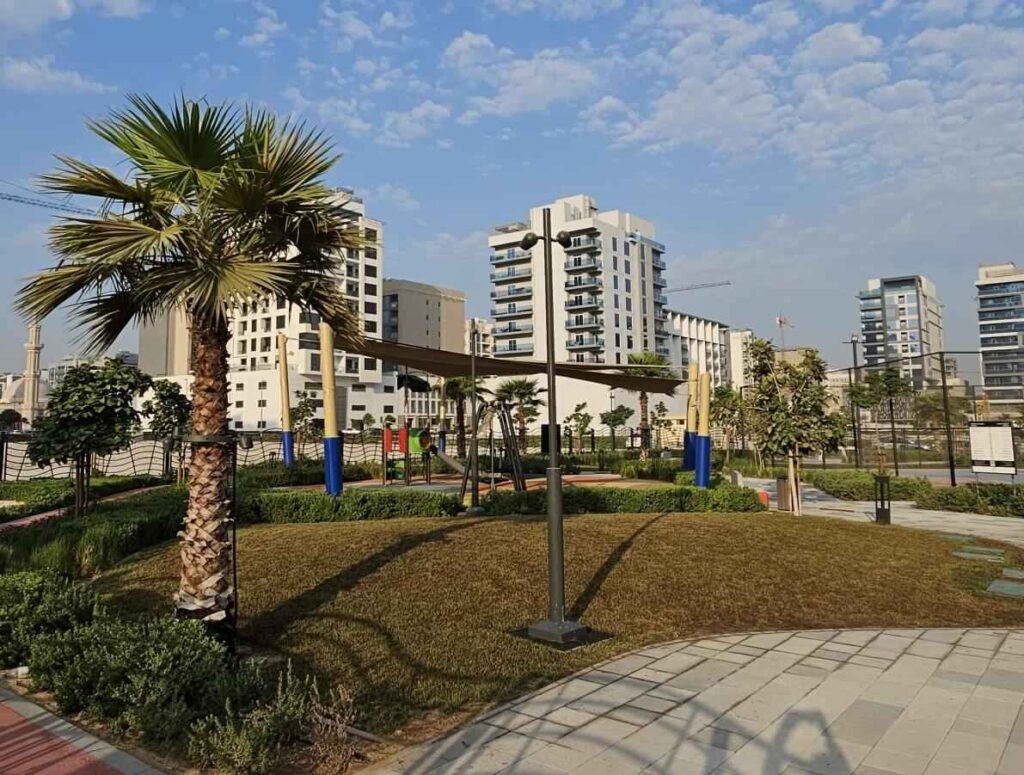
Jumeirah Garden City enjoys one of the strongest central locations in Dubai. The community runs parallel to Sheikh Zayed Road, one of the UAE’s most important highways connecting major commercial and residential districts.
Its location provides fast access to:
- Downtown Dubai
- City Walk
- DIFC
- Business Bay
- Jumeirah
- Al Wasl
- World Trade Centre
Drive times from the district are relatively short:
- Dubai World Trade Centre: approximately 5 minutes
- Dubai Mall and Burj Khalifa: around 10 minutes
- Jumeirah Beach and J1 Beach: roughly 10 to 15 minutes
- Dubai International Airport: approximately 15 minutes
This strategic positioning makes the district highly appealing for commuters and professionals who want to reduce travel time between home and work.
Public Transportation and Accessibility
Although Jumeirah Garden City is not directly attached to a metro station, transportation connectivity remains practical by Dubai standards.
Nearby bus stops include:
- Khadri Masjid Bus Stop
- Satwa Square Bus Stop
- Wasl School Bus Stop
Residents can also access:
- Dubai Metro stations such as Emirates Towers Metro Station and World Trade Centre Metro Station within a short drive.
Taxi accessibility is excellent due to the community’s central location near Sheikh Zayed Road. Ride-hailing services such as Careem and Uber operate extensively throughout the district.
The walkability factor is another major advantage. Wide pavements, retail-lined streets, and mixed-use planning create a more pedestrian-friendly environment compared to many car-dependent Dubai communities.
Real Estate in Jumeirah Garden City
The real estate market in Jumeirah Garden City is centered primarily around apartments and mixed-use developments. Villas are extremely limited because the district’s urban planning emphasizes vertical living.
The area features:
- Studio apartments
- 1-bedroom apartments
- 2-bedroom apartments
- Retail units
- Commercial offices
- Freehold residential plots
Apartment layouts are generally modern, with contemporary interiors, balconies, smart storage solutions, and open-plan kitchens. Many new developments are targeting mid-market and upper mid-market buyers seeking central Dubai access at comparatively more competitive pricing than Downtown or DIFC.
The district’s redevelopment potential continues to attract investors because many plots remain under development. As infrastructure improves and more projects are completed, property values and rental demand are expected to strengthen further.
Popular residential projects include:
- Linea by Holm
- Rabdan Gardens
- Vibe A and Vibe B
- Purvanchal Triana Residences
- Jad 288
These developments are contributing to the transformation of Satwa into a more organized urban residential corridor.
Lifestyle and Community Experience
Jumeirah Garden City offers a lifestyle that blends convenience, accessibility, and urban practicality. The community atmosphere differs from resort-style destinations such as Palm Jumeirah or Dubai Marina. Instead, it focuses more on everyday livability and central convenience.
Street-level retail spaces, cafés, salons, convenience stores, and restaurants contribute to an active neighborhood environment. The community design encourages residents to walk between retail outlets, gyms, and dining venues rather than relying entirely on cars.
The district also benefits from its proximity to both traditional and modern Dubai experiences. Residents can enjoy local eateries in Satwa while remaining close to premium dining destinations in City Walk, DIFC, and Jumeirah.
Families appreciate the availability of nearby schools, clinics, supermarkets, and parks, while professionals value the short commute to Dubai’s business districts.
Restaurants Near Jumeirah Garden City
The restaurant scene around Jumeirah Garden City reflects Dubai’s multicultural food culture. Residents can access affordable local eateries, casual dining restaurants, cafés, and upscale beachfront dining venues within a short drive.
Popular nearby dining options include:
- Kabab Al Mulouk
- Eat & Drink Restaurant
- Tea Table Restaurant
The surrounding Satwa district is particularly known for:
- Pakistani cuisine
- Indian street food
- Arabic grills
- Filipino restaurants
- Budget-friendly cafeterias
Residents can also reach high-end dining destinations in:
- J1 Beach
- City Walk
- DIFC
- JBR
This balance between affordable daily dining and luxury culinary experiences makes the area attractive to a broad demographic.
Shopping and Retail Destinations
Residents of Jumeirah Garden City have easy access to supermarkets, malls, and boutique shopping destinations.
Nearby supermarkets include:
- West Zone Supermarket
- Super7 Supermarket
Major malls accessible within 10 to 15 minutes include:
- Mercato Shopping Mall
- Palm Strip Mall
- The Village Mall
- Town Centre Jumeirah
- Dubai Mall
Because the community sits near central Dubai, residents can easily access both luxury retail experiences and practical neighborhood shopping.
Beaches and Leisure Attractions
One of the strongest lifestyle advantages of Jumeirah Garden City is proximity to Dubai’s coastline and leisure districts.
Nearby beaches include:
- Jumeirah Beach
- Mercato Beach
- J1 Beach
Residents can also visit nearby attractions such as:
- Dubai Garden Glow
- The Green Planet
- Zabeel Park
These attractions enhance the area’s appeal for both residents and tourists looking for central accommodation options near Dubai’s major entertainment zones.
Schools, Healthcare and Essential Services
Families living in Jumeirah Garden City benefit from nearby educational institutions, healthcare facilities, mosques, salons, and fitness centers.
Healthcare facilities nearby include:
- Aster Clinic
Religious facilities include:
- Obai Bin Kaab Mosque
- Khadri Mosque
Fitness and wellness facilities nearby include:
- BeatX Fitness
- GymNation
Beauty and grooming services are also widely available throughout Satwa and Jumeirah.
Investment Potential of Jumeirah Garden City
Jumeirah Garden City is increasingly viewed as a long-term investment district due to its combination of:
- Freehold ownership
- Central Dubai location
- Mid-rise density planning
- Infrastructure upgrades
- Redevelopment momentum
- Accessibility to business hubs
Unlike mature luxury districts where price appreciation has stabilized, Jumeirah Garden City still offers room for future growth as additional projects are completed.
The redevelopment of Satwa is expected to improve:
- Road infrastructure
- Pedestrian access
- Retail density
- Public spaces
- Community facilities
This urban transformation could increase both rental demand and resale value over time.
However, investors should also understand that parts of the community remain under active construction. Short-term inconveniences such as noise, traffic diversions, and ongoing development activity may continue until the district matures further.
Pros and Cons of Living in Jumeirah Garden City
Advantages
Jumeirah Garden City offers one of the most central residential locations in Dubai without the extremely high prices associated with Downtown Dubai or DIFC. Residents benefit from strong road connectivity, nearby beaches, and quick access to commercial districts.
The area also supports walkability better than many Dubai communities. Street-level retail and mid-rise urban planning create a more active neighborhood atmosphere.
For investors, the freehold status and redevelopment potential make the district particularly appealing.
Challenges
The community is still evolving, so several plots remain under construction. This means some parts of the district may feel unfinished for the next few years.
Traffic congestion during peak hours on Sheikh Zayed Road and surrounding areas can also affect commuting times. In addition, residents who rely heavily on metro access may find the lack of direct station connectivity less convenient compared to metro-integrated communities.
FAQs
Where is Jumeirah Garden City located?
Jumeirah Garden City is located in Al Satwa, Dubai, parallel to Sheikh Zayed Road and close to Downtown Dubai, DIFC, and Jumeirah.
Is Jumeirah Garden City freehold?
Yes, Jumeirah Garden City is a freehold development where eligible buyers can purchase residential plots and apartments.
Who developed Jumeirah Garden City?
The district is being redeveloped by Meraas.
What property types are available?
The community mainly offers apartments, mixed-use buildings, retail spaces, and freehold development plots.
Is Jumeirah Garden City good for investment?
Yes, many investors consider it attractive due to its central location, redevelopment potential, and increasing infrastructure upgrades.
How far is Jumeirah Garden City from Downtown Dubai?
Downtown Dubai is approximately 10 minutes away by car, depending on traffic conditions.
Are there beaches near Jumeirah Garden City?
Yes, Jumeirah Beach, J1 Beach, and Mercato Beach are all accessible within around 10 to 15 minutes.
Is public transport available?
Yes, bus stops are nearby, and Emirates Towers Metro Station can be reached within a short drive.
Conclusion
Jumeirah Garden City represents one of Dubai’s most strategically positioned emerging urban communities. Its combination of freehold ownership, central accessibility, mid-rise planning, and long-term redevelopment potential makes it increasingly attractive for residents, investors, and businesses alike.
The district successfully bridges the gap between traditional Satwa culture and modern Dubai infrastructure. Residents enjoy proximity to Sheikh Zayed Road, Downtown Dubai, Jumeirah beaches, shopping malls, business districts, and entertainment hubs while still benefiting from a more practical and community-oriented living environment.
As redevelopment progresses and more residential projects are completed, Jumeirah Garden City is expected to become one of the most important medium-density urban residential destinations in central Dubai.

- Umm Suqeim Dubai Area Guide 2026: Beaches, Villas, Schools and Local Life - August 6, 2026
- Emirates Golf Club Area Guide 2026: Courses, Fees, Location and What to Expect - July 14, 2026
- Al Maktoum International Airport: Your Ultimate Real Estate Investment Guide in Dubai South (2026-2032) - June 22, 2026